How to Wash Merino Wool: Washing Frequency, Machine and Hand-Wash Steps, Shrinkage and Pilling, Following Patagonia's Care Guide
Patagonia's care guide explains how often to wash merino wool-blend baselayers, socks and midlayers, how to machine-wash or hand-wash them, what causes shrinkage and pilling, and how to remove pills. The steps below follow the brand's guide, which covers Patagonia's merino wool-blend garments.
Contents
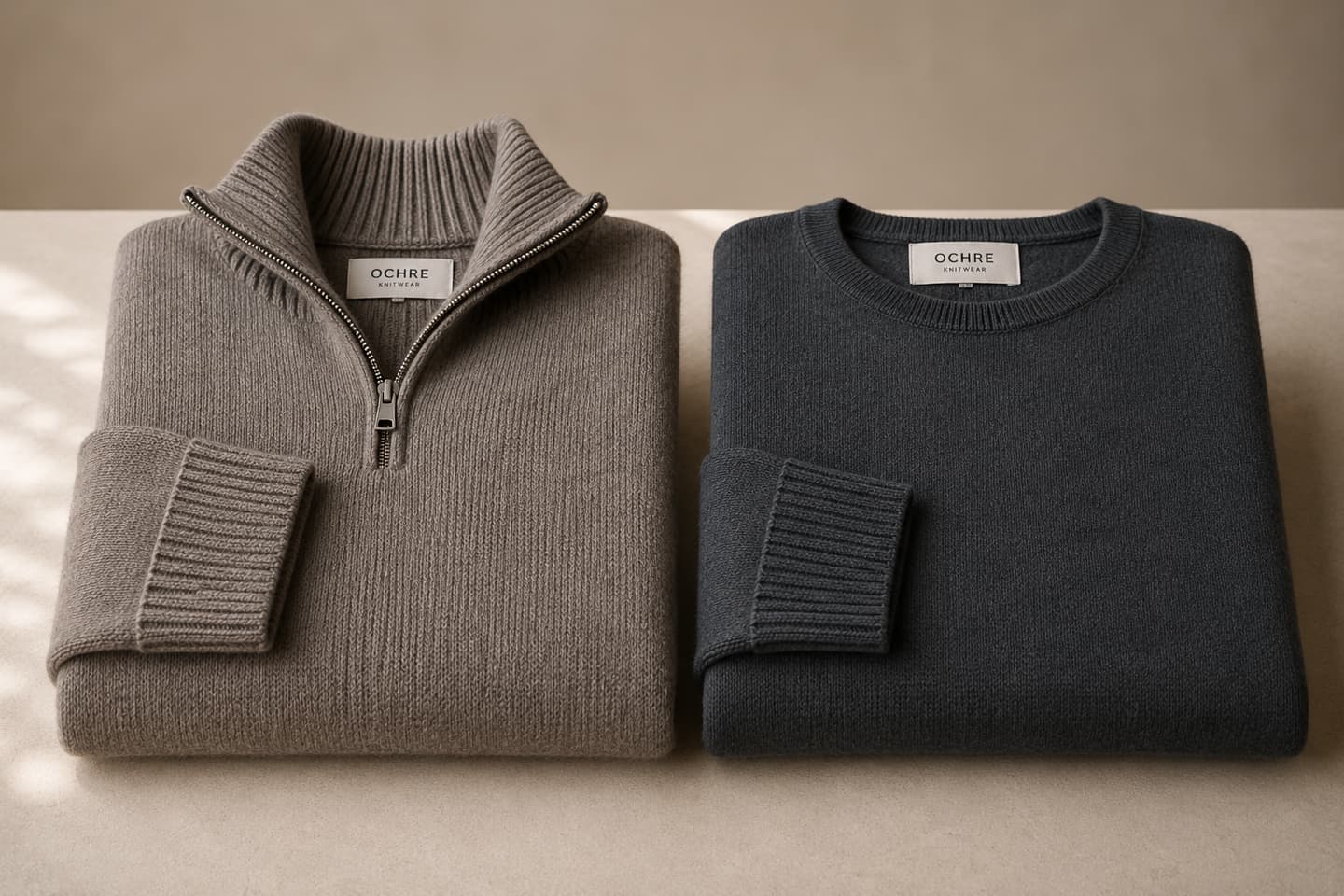
Merino wool (a fine, soft wool used in sweaters/jumpers, socks and baselayers) has a reputation for being fussy to launder, but Patagonia's care guide presents it as straightforward: the brand says wool is "a long-lasting, breathable insulator" that is also "naturally absorbent and resists odors," and that proper care keeps garments working longer and out of the landfill.
Patagonia's recommendations cover washing frequency by garment type, the brand's machine-wash and hand-wash steps, and its explanation of shrinkage and pilling. The brand's tips describe its own merino wool-blend garments; check your own garment's tag before applying them to other brands.
How often should you wash merino wool?
According to Patagonia, wool's natural odor control means "you might not need to wash it as often." The brand gives frequency guidelines by garment type:
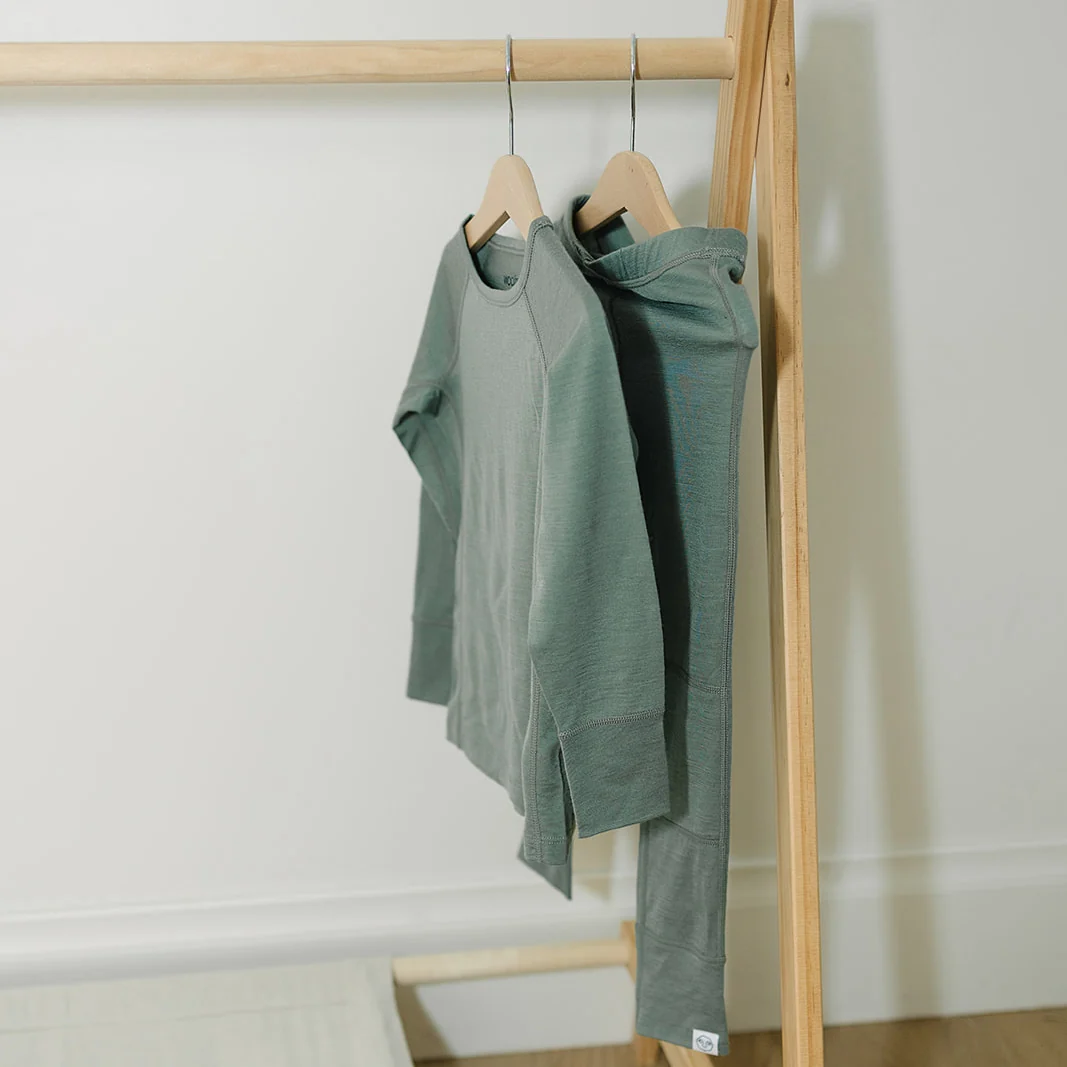
- Baselayer garments: wash after three or four days of active athletic use, or when you notice odors.
- Socks: wash after two to three full days of wear.
- Midlayer garments: can be worn dozens of times before washing, especially if you don't sweat in them directly.
- If wearing for several days in a row: let them air out each evening before wearing them the next day.
Machine-washing and hand-washing steps
For machine washing, Patagonia says to "machine wash your merino baselayers in cold water" with a mild laundry detergent — nontoxic biodegradable types preferred — or the brand's Storm Merino Wool Wash, then tumble dry at low temperature, or lay the garment flat on a dry towel to save energy.
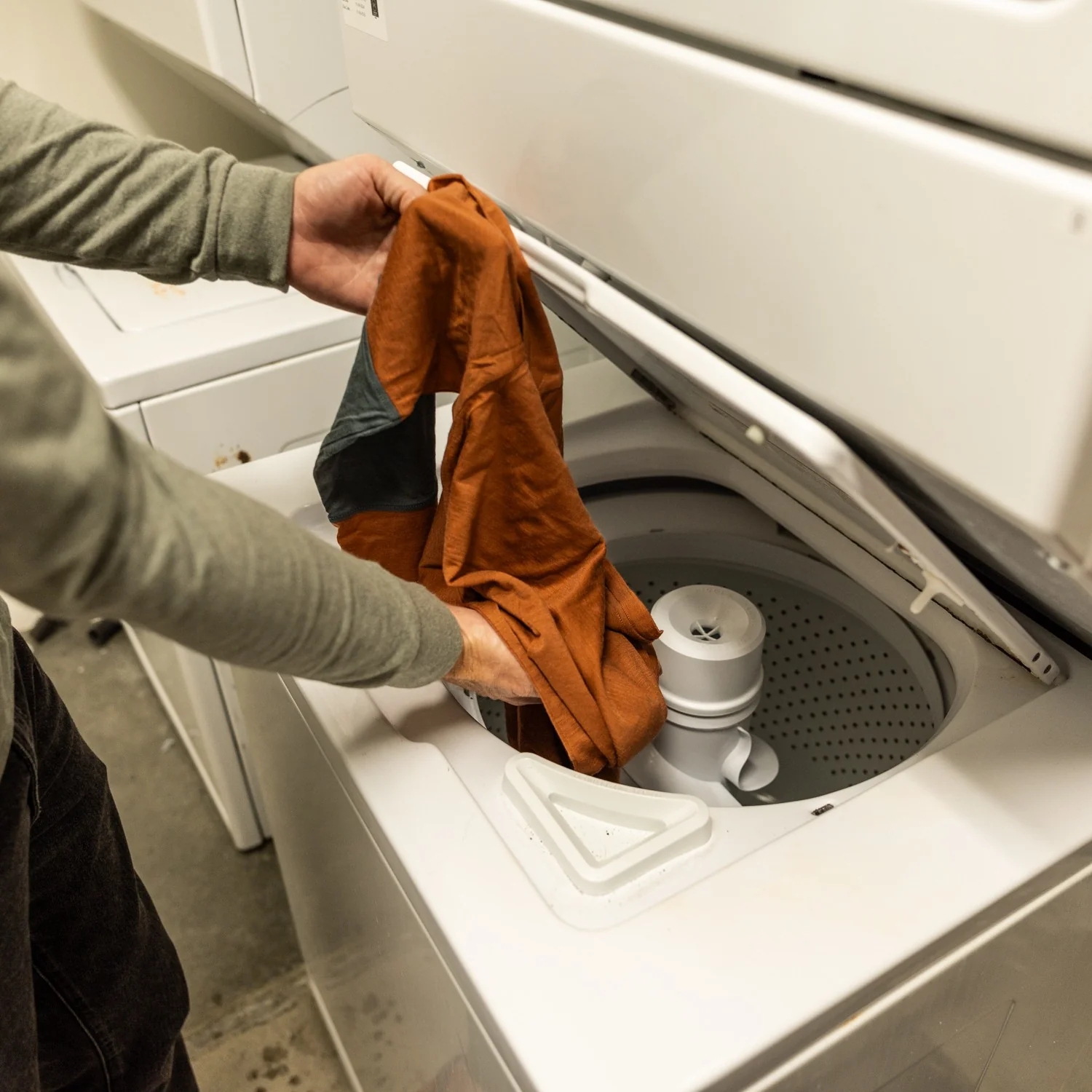
On whether a washing machine damages the fabric at all, the brand's answer is that both handwashing and gentle machine washing can clean its merino wool blend garments without causing damage, and that handwashing is the safest method if you're especially worried about a garment's integrity or durability.
The brand also flags an overriding rule: always follow the care instructions printed on the white tag inside its clothes, and check tags for any special instructions beyond its general tips.
Shrinkage: what actually causes it
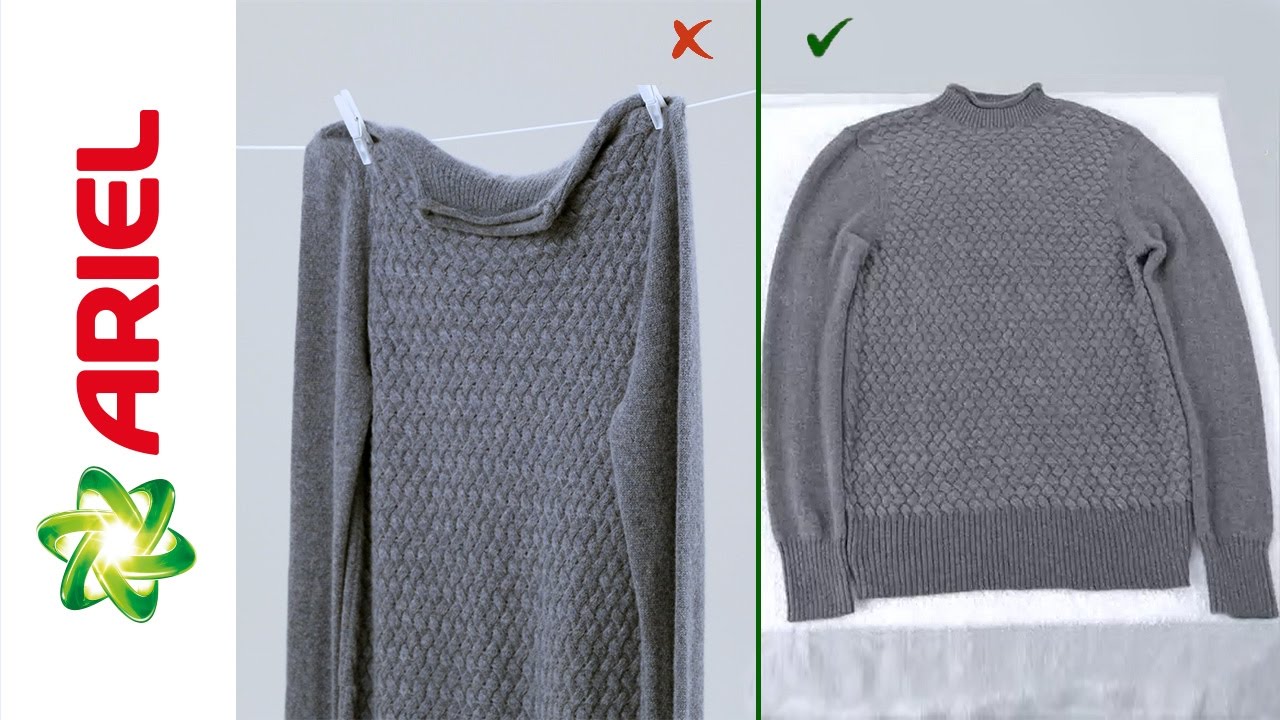
Patagonia attributes shrinkage to the machine, not the soak: "Water and detergent by themselves don’t shrink merino wool. Shrinkage is usually caused by the excessive heat and friction from washing machines and dryers." The brand says you can still safely wash and dry these items by following its merino care instructions, and — when in doubt — sticking to hand washing and air-drying flat on a towel.
Pilling, briefly
Pills — the small balls of fuzz that everyday wear, washing and drying can form on clothes. Patagonia says strong and tightly knit 100% merino wool doesn't pill as easily as other fabrics, but blends are a bit more vulnerable, and it says it's easy to remove pills from merino wool-blend garments with a fabric comb, stone or shaver.
For more on how to remove pills, Patagonia points readers to its own "How to Remove Pilling from Clothes" guide.
Where the guide stops
Patagonia's advice covers its merino wool-blend clothing — baselayer tops, mountain-biking jerseys, socks and liner beanies, per the brand — and its detergent recommendation includes its own Storm Merino Wool Wash as one option among mild detergents. The guide does not set general washing rules for other makers' wool garments.
Advice for checking the result yourself: look at the white care tag inside your own garment before the first wash (it overrides general guidance), match your wash settings to the steps above — cold water, mild detergent, low heat or flat-drying — and note the date you read the guide, since brand care pages can be updated. If a shirt comes out of a cycle unworn-smelling after four days, or pilling appears where the tag warned about friction, your own wear pattern is the final check against the brand's frequency guidelines.
From the source
Written from the pages listed above and checked by the editors. Spotted a mistake? Write to us: corrections keep the address and the first publication date.
Read next
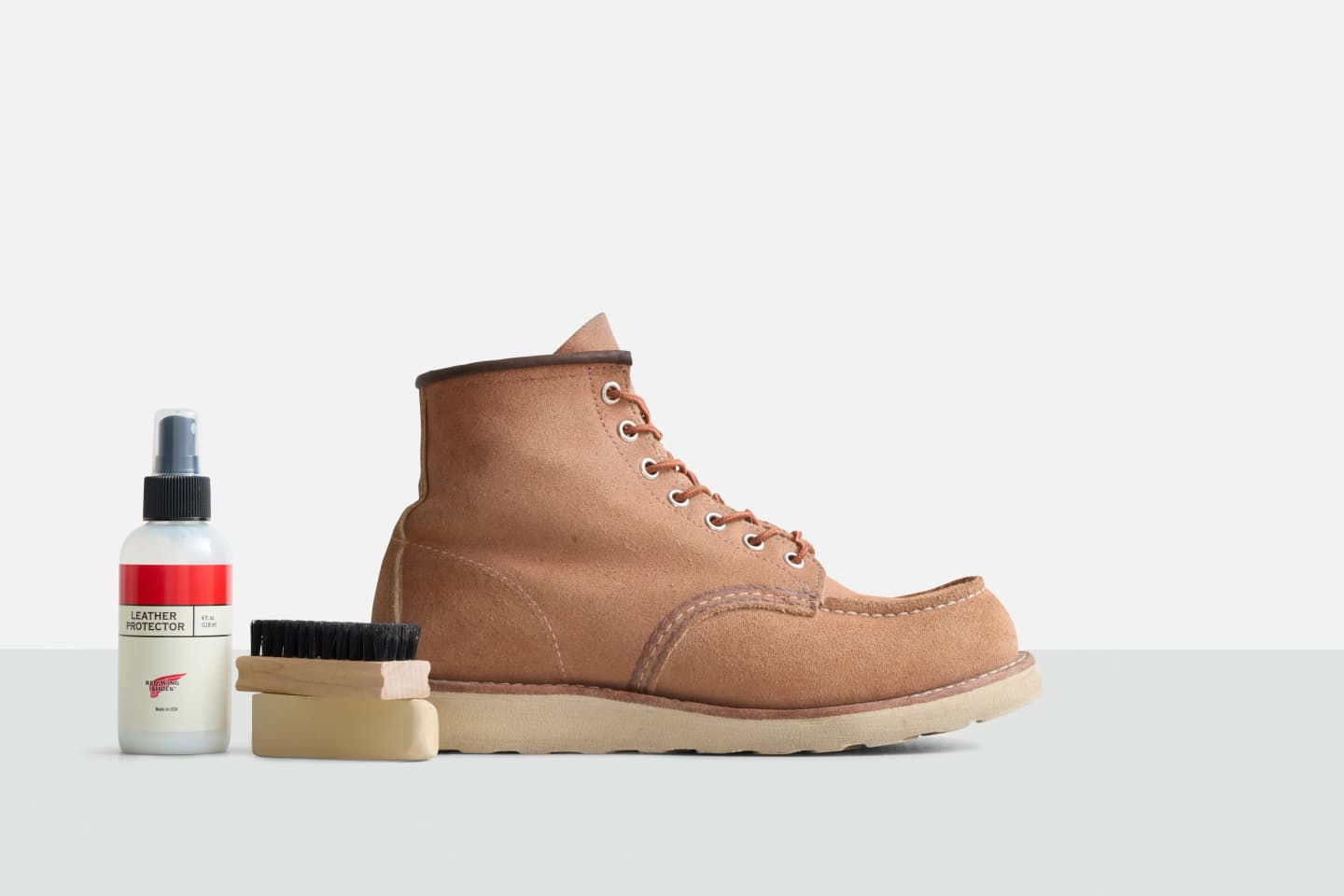
More in CareRed Wing's Care Routines for Oil-Tanned and Roughout Boots on Two Captured Product Pages, and What They Say About Resoling
On the two Red Wing product pages captured for this article, oil-tanned leather gets a three-step routine of cleaning, conditioning and protection, while roughout and nubuck leather gets eraser-bar cleaning and mostly no conditioner. Both boots are marked as resoleable, and both pages point to the brand's repair shop in Red Wing, Minnesota. Here is what those instructions say, what they cover, and how to check them against your own pair.
How to Care for GORE-TEX Gloves: Washing, Drying and Re-Proofing Steps from Gore's Own Care Guide
Gore's official care page gives a specific routine for GORE-TEX gloves: hand wash in lukewarm water with a small amount of liquid detergent, dry with the wrists down, and re-apply a durable water repellent when water stops beading. Here are those steps as the brand gives them, plus where its advice stops.
Care·Brand program··4 min
BIRKENSTOCK Repair Service: Who Qualifies, What It Costs, and What the Brand Won't Repair — According to the Brand's Own FAQ
BIRKENSTOCK offers a repair service for many of its sandals, run from workshops in Germany and limited to European customers. We walk through the brand's own FAQ terms: emailing photos first, per-item pricing, prepayment, and the exclusions — EVA sandals, Papillio models and shoes — plus the geographic limits that leave out the UK, Switzerland and Norway.