How to Iron Wool: Woolmark's Official Steps, Settings and Precautions (and Where the Advice Stops)
Woolmark's own care pages give a four-step method for pressing wool — a wool/medium/2-dot heat setting, reshaping by hand, steam or a light spray of water, and resting the garment flat before storing — plus a short list of things to avoid. This guide walks through those steps as Woolmark gives them, explains why many wool garments need no ironing at all, and points out where the advice leaves off.
Watch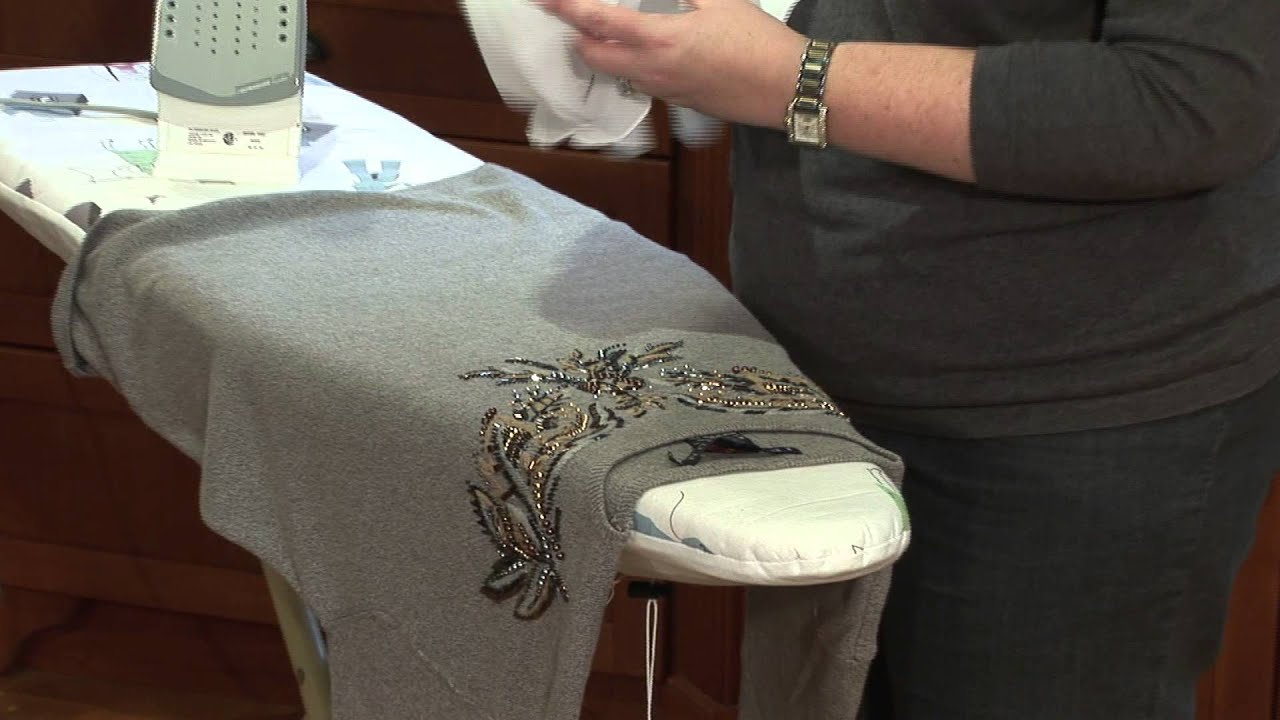 Laundry Lessons: ironing a sweater
The recording belongs to EucalanDelicateWash, not to this publication, and it plays from YouTube: opening it lets YouTube see the request.Watch on YouTube instead.
Contents
Wool is a crease-resistant fiber, but a smooth worsted trousers (US: pants) or a freshly washed Merino sweater/jumper can still come out of the laundry looking rumpled. Whether a garment needs the iron, Woolmark says, is a judgment call: it depends on how many creases are present and the overall look of the garment. The organization's first condition, though, is not about technique at all — iron only in a light way, and only if the garment's care claim advises so.
Before you reach for the iron, it is worth knowing that many pieces never need one. Woolmark notes that heavier wool clothes, such as chunky knits, tend to crease less during laundering and are less likely to need ironing — and that the choice is, in the end, largely a matter of personal preference.
The four steps, as Woolmark gives them
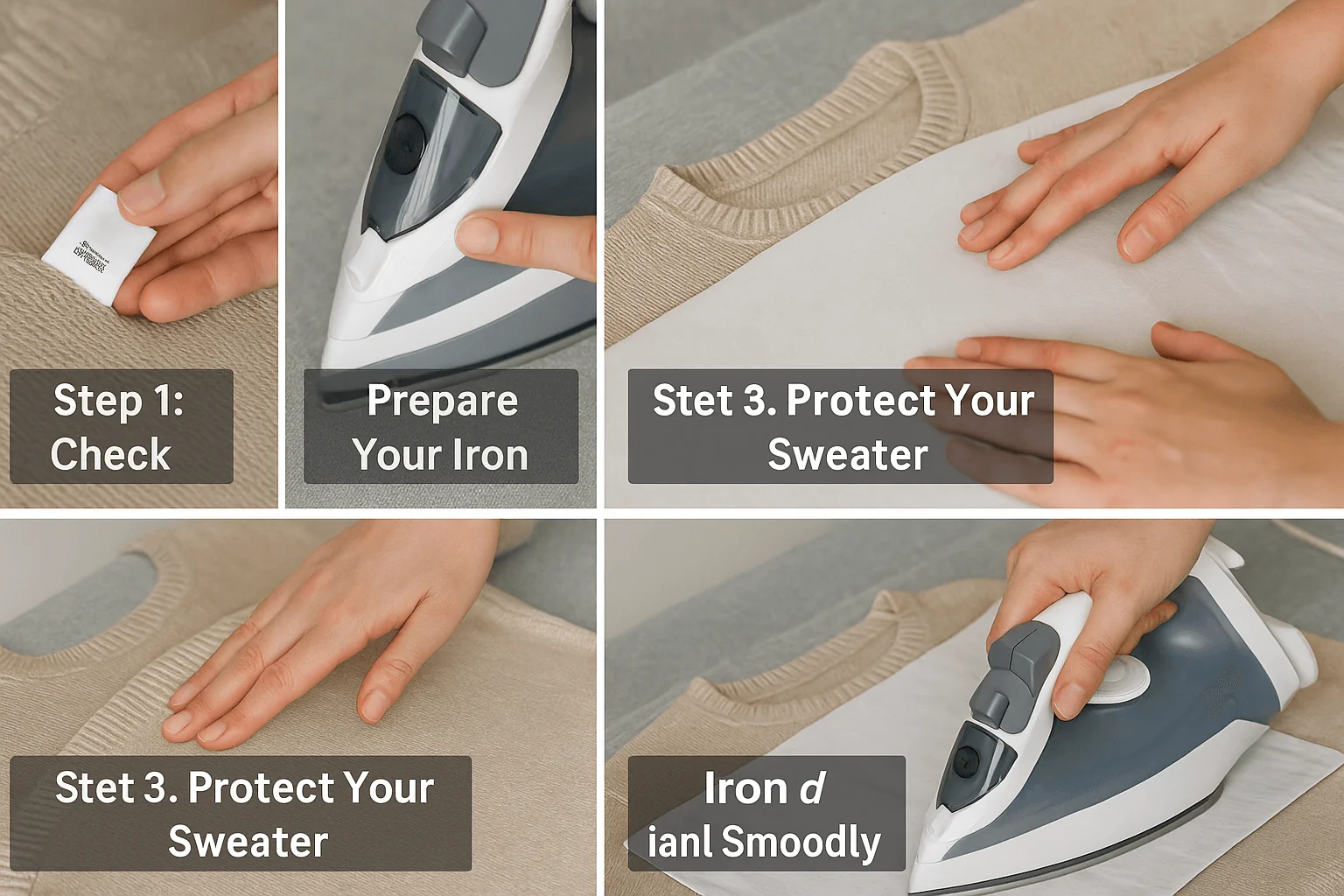
Woolmark's dedicated ironing page lays out the method in four steps:
- Set the iron to the Wool, Medium or 2-dot heat setting; a hotter setting could discolor the fabric or, at worst, leave scorch marks.
- Lay the garment flat and reshape and resize it gently by hand.
- Spray the garment with a little water before ironing, or use the iron's steaming function as you press; this makes crease removal and reshaping easier.
- After ironing, lay the garment flat on a smooth, hard surface for about 5 minutes before folding your knitwear/jumpers or hanging your wovens, to prevent further creasing.
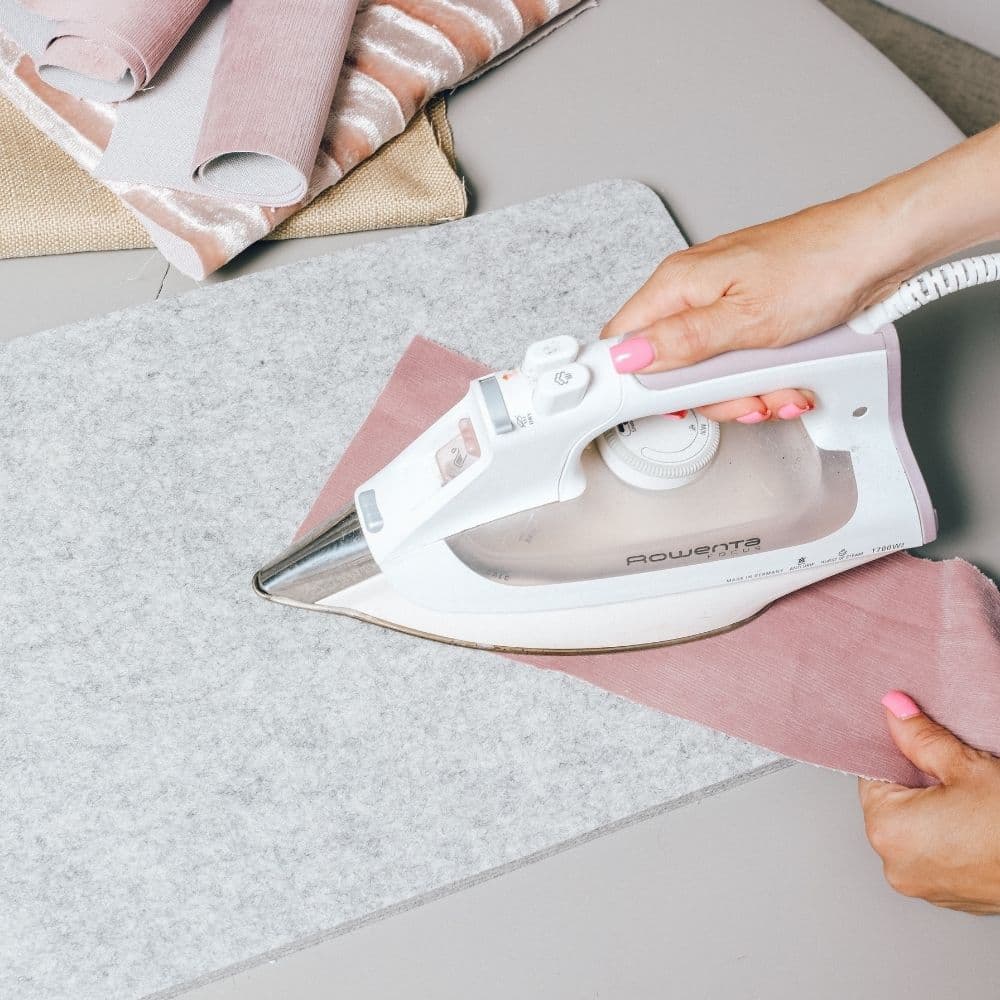
Moisture is central to the method. On its broader wool-care page, Woolmark says to always use steam when pressing wool and to avoid ironing fabric that is totally dry. For lighter wool fabrics, which take longer to shed their creases, the advice is to remove wrinkles by ironing with a damp cloth or a steam iron on a warm iron (dot 2) setting.
What to avoid
Woolmark's precautions are short but specific:
- Do not apply heavy pressure, which will make the surface of the sweater shiny.
- Never leave the iron to stand for any length of time on the garment; this can result in scorching.
- Do not use spray-on starch, and it is advisable to avoid spray-on softeners or conditioners, which can lead to deposits on your sweater.
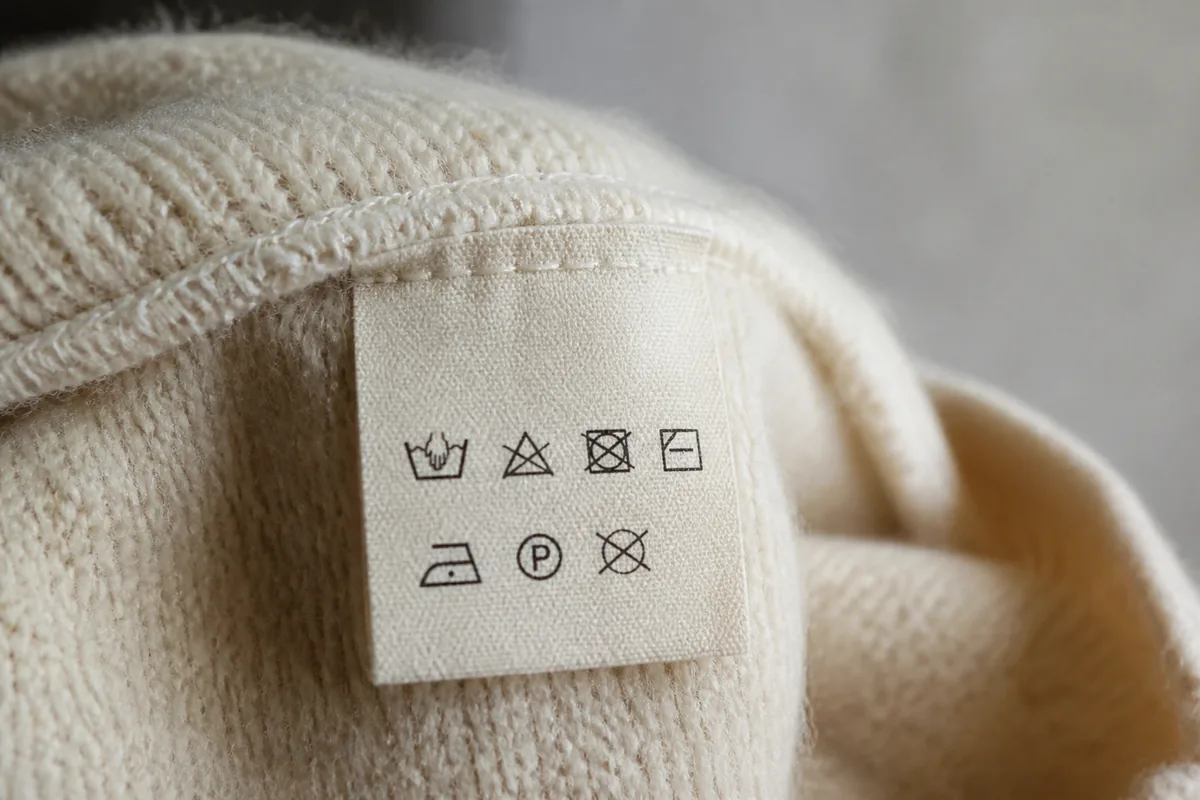
- Do not iron garments if the sew-in care claim label advises "Do not iron".
Where the advice stops
The instructions name a heat setting, a reshaping motion and a resting time, but they do not give iron temperatures in degrees, timings per fabric weight, or specific guidance for wool blends, coated fabrics or lined tailoring. The method is pitched at Merino garments generally, and Woolmark's own framing makes ironing conditional — only if the care claim advises so, and then only lightly where creases demand it. What the source does state clearly is the label rule: check the sew-in care claim label, and do not iron a garment whose label advises "Do not iron".
Related care steps worth knowing
Ironing works best alongside the rest of Woolmark's care routine. The organization recommends drying wet wool at room temperature away from direct sunlight or heat, and refreshing garments by hanging them in a steamy bathroom — moisture from the steam will remove wrinkles. It also recommends hanging woven wool garments on shaped or padded coat hangers while gently folding knitted garments and storing them in drawers, and resting wool garments for 24 hours before wearing again, so the natural resilience and spring in the wool fiber can recover.
How to check the result yourself
Look at the sew-in care label first: if it says "Do not iron", stop there — that is Woolmark's rule as written. If ironing goes ahead, give the garment its 5 minutes flat on a smooth, hard surface, then hold it up to confirm creases are gone and the shape is as you reshaped it before folding or hanging. If the fabric shows shine or scorch marks after pressing, check what went wrong against the precautions above — heavy pressure and a standing iron are the two causes Woolmark names — and, for example, hypothetically, a lower setting for the next press would be a reasonable inference on your own part, not something the source states.
From the source
Written from the pages listed above and checked by the editors. Spotted a mistake? Write to us: corrections keep the address and the first publication date.
Read next
More in CareCare·What the rule says··4 min
Caring for a GORE-TEX SHAKEDRY Garment: Gore's Special Washing Rules for Persistent-Beading Shells
GORE-TEX SHAKEDRY jackets (rain shells with a persistent beading surface) are the exception in GORE-TEX outerwear care: per Gore's care instructions page, they have no textile outer layer, so you should not apply a DWR treatment, and you wash them on a delicate cycle at 105°F/40°C without tumble drying or ironing. This guide sets out the brand's special-care steps as stated, and how they differ from care for standard GORE-TEX outerwear.
How to Wash Merino Wool: Washing Frequency, Machine and Hand-Wash Steps, Shrinkage and Pilling, Following Patagonia's Care Guide
Patagonia's care guide explains how often to wash merino wool-blend baselayers, socks and midlayers, how to machine-wash or hand-wash them, what causes shrinkage and pilling, and how to remove pills. The steps below follow the brand's guide, which covers Patagonia's merino wool-blend garments.
Red Wing's Care Routines for Oil-Tanned and Roughout Boots on Two Captured Product Pages, and What They Say About Resoling
On the two Red Wing product pages captured for this article, oil-tanned leather gets a three-step routine of cleaning, conditioning and protection, while roughout and nubuck leather gets eraser-bar cleaning and mostly no conditioner. Both boots are marked as resoleable, and both pages point to the brand's repair shop in Red Wing, Minnesota. Here is what those instructions say, what they cover, and how to check them against your own pair.