How to Measure Yourself for Clothing Sizes: ASOS's Bust, Waist, Hip and Inside-Leg Steps, with UK, US and EU Conversions
ASOS publishes how-to-measure instructions and UK, US, EU and Australian conversion charts for its own-brand women's and men's clothing. A walkthrough of the bust, waist, hips and inside leg measurements as the retailer gives them, plus what to watch for with dual sizes, petite, tall and maternity charts — including conflicting low-hip figures on ASOS's own pages.
Watch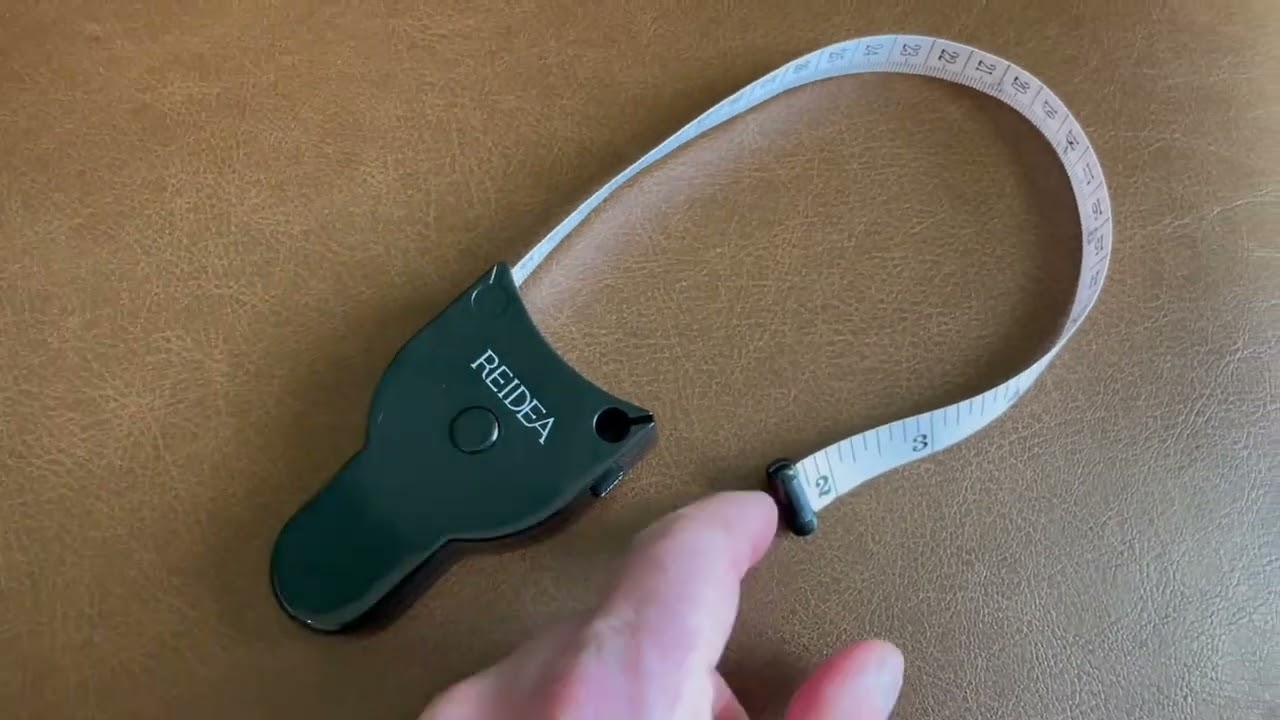 Best Way to Measure Your Waist- Reidea Body Tape Measurer
The recording belongs to Scott's Garage, not to this publication, and it plays from YouTube: opening it lets YouTube see the request.Watch on YouTube instead.
Contents
A size label tells you little unless you know what body it refers to. ASOS bases its own-brand charts on body measurements — what you measure on yourself, not on a flat garment — and then maps those numbers onto UK, US and EU sizes. The retailer publishes its method openly: separate size-chart pages for women's and men's own-brand clothing, with instructions for each measurement and conversion tables in both centimeters and inches.
This guide walks through ASOS's own measuring steps for women's and men's clothing, then explains how its UK, US, EU and Australian conversions fit together, and where the charts have quirks worth knowing before you order.
The measurements ASOS asks for
On the main women's size-chart page, ASOS lists five measurements and describes them like this:
- Top of shoulder: ASOS's instruction is to measure from the collabone (the page does not explain the term).
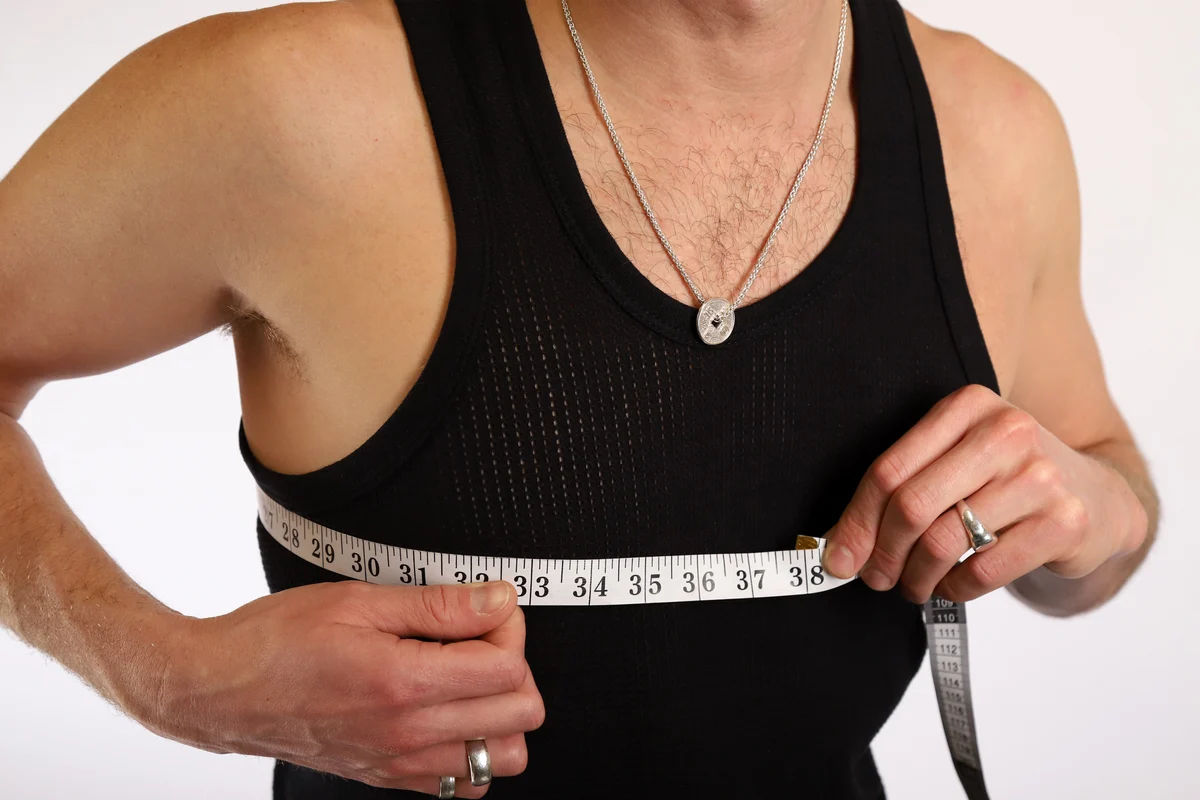
- Bust: measured across the fullest part and across the shoulder blades.
- Waist: measured around the natural waistline.
- Hips: measured at the widest part.
- Inside leg: measured from the top of the inside leg at the crotch to the ankle bone.
The men's page follows the same logic but adds measurements that matter for shirts and tailoring. Its list runs: collar, chest, sleeve, waist, inside leg, outside leg and center back length. For the collar, ASOS says to "measure around neck base where shirt fits"; for the chest, to "measure around fullest part" with the tape "close under arms" and "flat across the back"; and the outside leg runs "from natural waistline to hem."
Where the hip measurement moves
One detail to check before you measure: ASOS's pages do not describe the hip measurement identically. The main women's chart says "Hips Measure at widest part," while the women's dress chart — and its petite, curve and tall variants — instructs "Hips Measure 20cm down from the natural waistline." For maternity, the pages also disagree on where the low hip sits: the main women's page says "Low Hip You can find 10cm below your waist," while the dress-chart page's maternity guide says "You can find your low hip 20cm below your waistline." Because ASOS's own pages give conflicting figures, follow the measurement steps on the specific chart you are using, and if you sit between sizes, measuring both ways can help you see which chart's numbers you match.
Reading the UK, US and EU conversion charts
ASOS's single-size women's conversion runs UK 4 through 26, mapping to European sizes 32 through 54, US sizes 1 through 22, and Australian sizes matching the UK scale. The dress chart adds Italian and Russian scales. Each UK size is tied to a specific bust, waist and hip figure — for example, UK 10 corresponds to a 35-inch (88cm) bust, 28-inch (70cm) waist and 37-inch (93.5cm) hips on the dress chart.
Men's charts are organized by garment type rather than a single scale. Tops, knitwear and shirts are sized XXS to XXL by chest (for example, M to fit 38-40 inches / 96-101cm), jeans and trousers by waist in even inches from 28 to 38, and jeans come in Short, Regular and Long inside-leg lengths of 30, 32 and 34 inches (76, 81 and 86cm) — with the caveat that these are "a guide only" and actual lengths vary by style.
Dual sizes, petite, tall and maternity
Alongside the numbered charts, ASOS publishes a dual-size table mapping lettered sizes to UK ranges: UK XS/6, S/8-10, M/12-14, L/16-18 and XL/20. Note that the table's figures are not uniformly ranges: S, M and L carry bust, waist and hip spans, while XS/6 and XL/20 carry single figures — and the main-page table even contains an internally inconsistent entry for the M bust. Treat it as a rough orientation and lean on the single-size chart for exact numbers.
Its petite line is "cut proportionally shorter" than standard sizes and fits heights up to 5ft3, while tall clothing has its own chart. Maternity sizes are cut larger on the bust, waist and hips — ASOS notes that the maternity size matching your normal size is most often the correct one. Hosiery has a separate sizing system based on dress size and height, and ASOS advises that if hips and height are on a size borderline, the next size up may be more comfortable.
What the charts cover — and what they don't
ASOS states plainly that its charts "relate to ASOS own brand clothing" and that "some brands may vary from these measurements," so the tables work as a guide for third-party brands sold on the site rather than a guarantee. Garment lengths are treated the same way: dress lengths "vary from style to style," and ASOS directs readers to the 'info & care' section on individual product pages for a specific item's length. The main-range length tables (trousers, skirts and dresses in short, regular and long) are based on an average size 10. Footwear follows a separate ASOS chart and is not covered by the body-measurement steps here.
How to check it yourself
Before ordering, measure yourself with a soft tape over light clothing, following the exact steps on the size-chart page for the product type you're buying — the bust, waist and hip wording differs between some charts, as shown above, and the maternity low-hip figures conflict between ASOS's own pages. Then compare your measurements to the body-measurement figures in the chart, not just the size label, and open the 'info & care' section on the product page for the item's actual length. If you fall between sizes on a measurement the brand flags as borderline-sensitive, such as hosiery, the chart's own advice is to consider the size up. If a third-party brand's item arrives fitting differently than the chart suggested, that is consistent with ASOS's own note that other brands may vary from its measurements.
From the source
Written from the pages listed above and checked by the editors. Spotted a mistake? Write to us: corrections keep the address and the first publication date.
Read next
More in FitEU Shoe Size to UK and US Conversion: Charts and Foot-Length Measures, Following Foot Locker's Retailer Guide
How EU, UK and US shoe sizes relate, why no conversion is exact, and how to measure your feet at home — with the men's and women's charts Foot Locker UK publishes, attributed to the retailer.
Levi's Shrink-to-Fit™ Jeans: How to Size and Care for Them, According to Levi's Own Guides
Shrink-to-Fit™ jeans are cut from unpreshrunk raw denim, so the size you buy is not the size you end up with. Levi's help-center pages give a sizing table that depends on whether you plan to machine wash, plus care steps for raw denim. Here is what the brand says, with measurements in inches and centimeters, and where its guidance stops.
Care·Brand program··4 min
BIRKENSTOCK Repair Service: Who Qualifies, What It Costs, and What the Brand Won't Repair — According to the Brand's Own FAQ
BIRKENSTOCK offers a repair service for many of its sandals, run from workshops in Germany and limited to European customers. We walk through the brand's own FAQ terms: emailing photos first, per-item pricing, prepayment, and the exclusions — EVA sandals, Papillio models and shoes — plus the geographic limits that leave out the UK, Switzerland and Norway.