Patagonia Worn Wear: How the Trade-In, Repair and Recycling Program Works, as the Brand Describes It
A profile of Patagonia's Worn Wear program based on the brand's own FAQ and repairs pages: what can be traded in, credit amounts and fees, US-only limits, repairs and recycling, and how to verify the current terms yourself.
Watch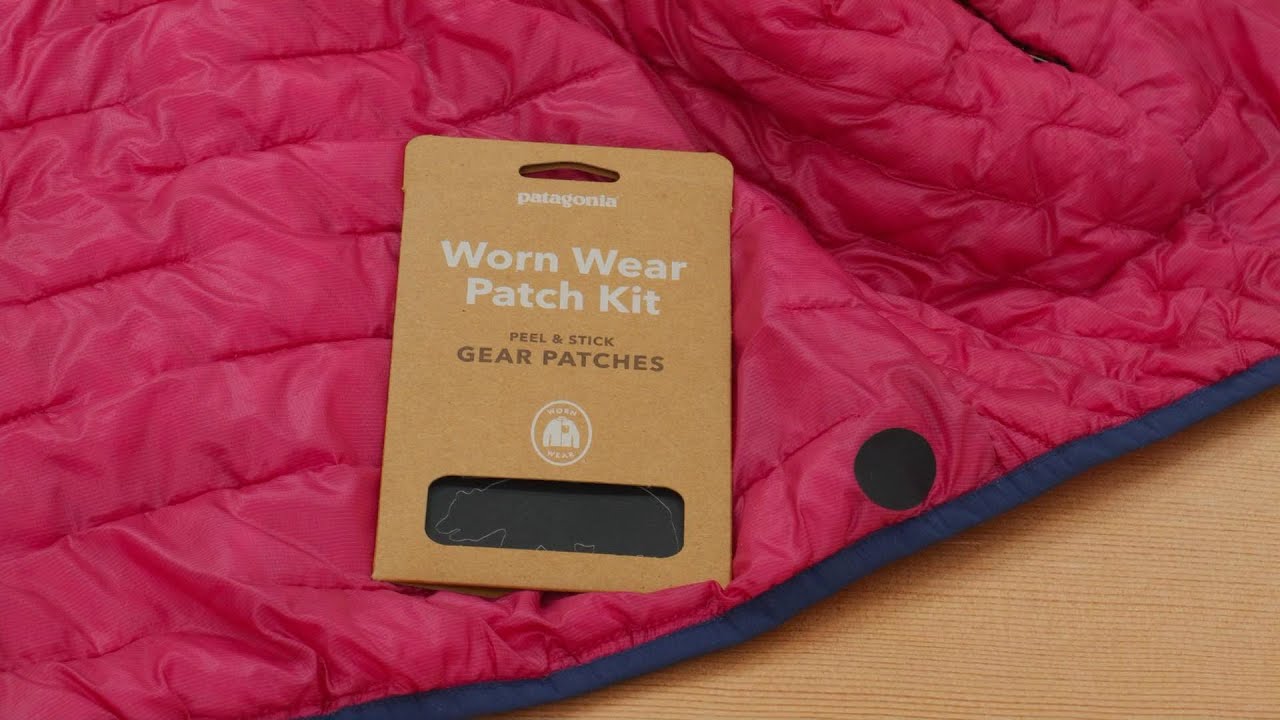 Patagonia® Worn Wear Patch Kit
The recording belongs to Patagonia, not to this publication, and it plays from YouTube: opening it lets YouTube see the request.Watch on YouTube instead.
Contents
Patagonia's Worn Wear program lets customers hand in used Patagonia clothing for store credit, buy secondhand gear, get items repaired, and send worn-out pieces back for recycling. This profile sets out the program's terms as Patagonia states them on its own Worn Wear FAQ and repairs pages, captured on September 15, 2026. Figures such as credit caps, fees and delivery times are the brand's statements at that moment and can change; check the pages themselves before relying on them.
The single most important limit for readers outside the United States: per the FAQ, the buy-back and resale side of the program is US-only. Readers in Europe, the UK and Canada cannot trade gear in for credit or order from the used-gear shop, though the repair guides and the recycling-by-mail instructions are described on the same pages without a stated geographic restriction.
Trading in used gear
To trade in, you send Patagonia used gear and receive a Worn Wear merchandise credit. According to the FAQ, the credit can run up to $180 and can be spent on used gear at WornWear.com, on new gear at Patagonia.com, or in Patagonia-owned retail stores. A $7 shipping and handling fee is deducted from the trade-in value. Gear can be mailed in through the Trade-In page or dropped off at a Patagonia store, and the FAQ states that trade-in is available in the US only.
Not everything qualifies. The brand accepts clothing that functions perfectly and is in good condition — most men's, women's, kids' and baby garments, plus packs and luggage — but publishes an explicit exclusion list. Per the FAQ, items not accepted include:
- Accessories such as hats, scarves, gloves and socks
- Activewear, including leggings and tank tops
- Baselayers, bras and underwear
- Shoes and wading boots
- T-shirts, swimwear and wetsuits
- Sleeping bags, waders, ski patrol jackets and vests
- Embroidered items and factory seconds
- Items without garment tags or not in good working condition
The FAQ also notes that items you previously bought on Worn Wear can be traded back in if they still meet the brand's trade-in standards, and that rejected items can be returned to you or routed to end-of-life processing.
Ordering from the used-gear shop
The used-gear shop ships to all 50 US states, with a $7.50 flat-rate shipping fee on all orders and a warehouse dispatch time of 3–4 business days, per the FAQ. Returns must be made online, and refunds go to the original form of payment once the return is received and processed; the FAQ says the refund can take 5–10 business days to appear on your statement. Orders placed using PayPal have a 180-day refund window, and per the FAQ, PayPal returns received more than 180 days after the purchase date may be refunded with a Worn Wear merchandise credit.
Patagonia states that all Worn Wear items are clean, functional and covered by its Ironclad Guarantee, which per the FAQ covers repair, replacement or refund for products that do not perform to satisfaction, with wear-and-tear damage repaired at a reasonable charge.
Getting items repaired
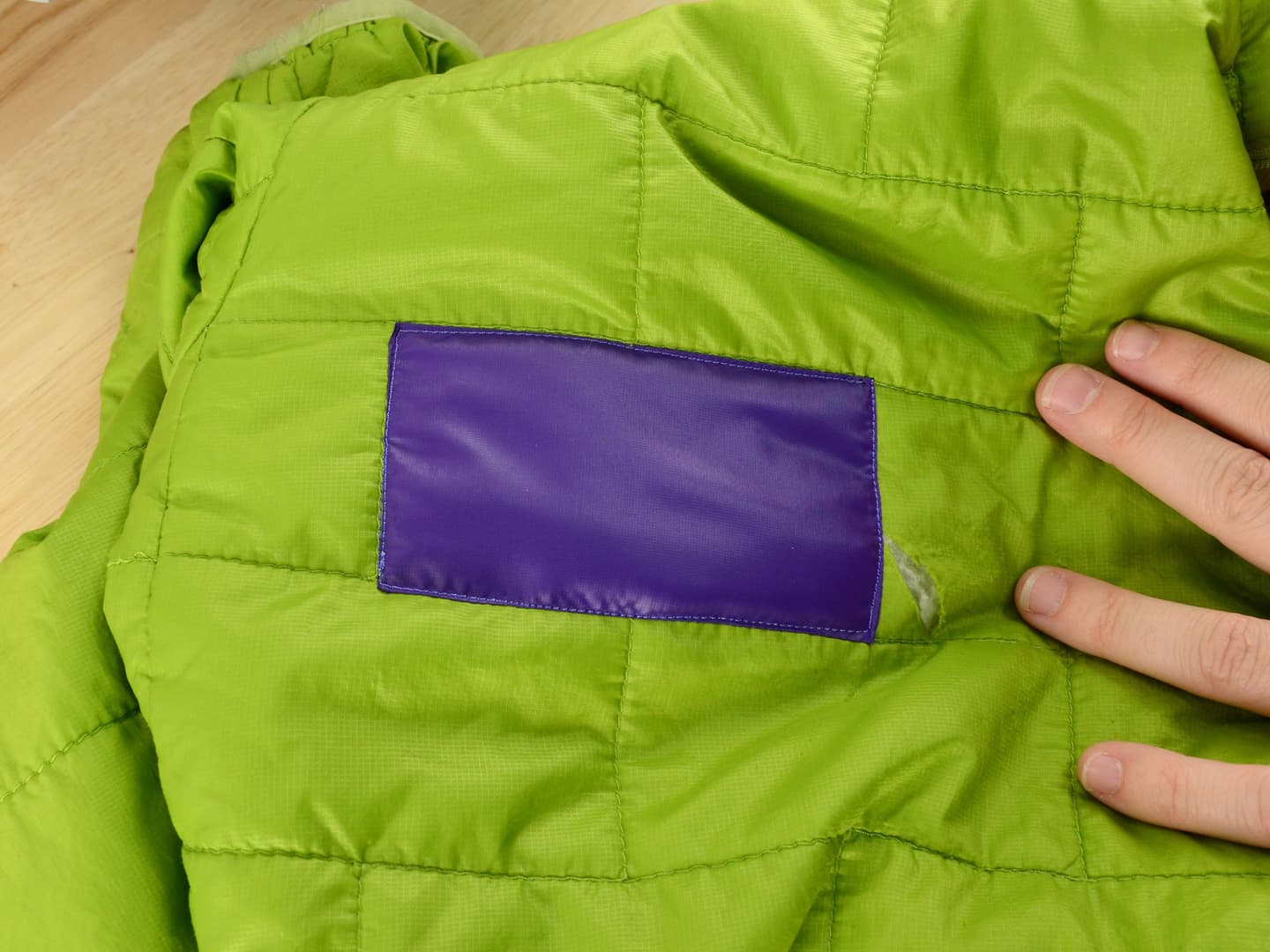
For items you own and want to keep, the repairs page describes two routes. First, DIY: through a partnership with iFixit, Patagonia has created more than 100 care and repair guides for its gear. Second, brand repair: repair techs can attempt to fix damaged gear that you mail in or bring to a store. If an item is beyond repair, the brand says it will recycle it. Repair prices and turnaround times are not stated in the brand's published materials as of September 15, 2026 — confirm them with the brand directly.
Recycling worn-out items
For garments that have reached the end of their useful life, the FAQ says Patagonia accepts all of its own products for recycling: wash the items first, then either mail them to the Patagonia Service Center in Reno, Nevada, or drop them off at a Patagonia-owned store.
Checking the terms yourself
Because these are the brand's terms as published on September 15, 2026, confirm them before acting:
- Read the Worn Wear FAQ and repairs pages on wornwear.patagonia.com for the current exclusion list, credit cap and fees
- Check the Trade-In page for the current mailing process before sending gear
- Email info@wornwear.com or call (855) 638-9676 (weekdays 6 a.m.–6 p.m. PT; weekends 7 a.m.–3 p.m. PT) with questions about a specific item
- If you are outside the US, contact the brand about what repair and recycling options apply where you live, since the FAQ states the buy-back and resale side is US-only
From the source
Written from the pages listed above and checked by the editors. Spotted a mistake? Write to us: corrections keep the address and the first publication date.
Read next
More in MadeHow to Wash and Re-Waterproof a Jacket: Patagonia's Own Steps for DWR Care, and Where the Brand's Advice Stops
Patagonia's care guides lay out when to wash a waterproof jacket, which detergent to pick, how low-heat drying revives the DWR finish, and when to re-proof — plus the waxed-cotton exception. A guide to the brand's stated steps and their limits.
Labels·Brand program··4 min
Levi's 2-Year Warranty: Who Qualifies, What Counts as a Defect, and How to Claim — According to Levi's Own Policy
A brand program profile of the Levi's warranty as the company describes it in its own help center: what is covered, what counts as wear and tear, the photo requirements, and the voucher mechanics and limits. All statements are attributed to Levi's, per the help-center page as updated November 26, 2025.
What the OEKO-TEX LEATHER STANDARD Label on Leather Shoes and Bags Actually Certifies — and What It Doesn't
A plain-language explainer of the OEKO-TEX LEATHER STANDARD label seen on leather footwear, bags and accessories: what OEKO-TEX says it tests for, how certification works, what it does not cover, and how to verify a label yourself.