How to Remove Stains from Wool: Woolmark's Steps for Wine, Coffee, Grease, Ink and More
Wool is naturally stain resistant, according to Woolmark, but spills happen. Here are the wool-marketing body's official stain-removal steps for red wine, coffee, blood, ink, grease and makeup — plus the editors' own precautions beyond the page.
Watch The RIGHT Ways to Remove Wine Stains from Clothes & Fabric
The recording belongs to Gentleman's Gazette, not to this publication, and it plays from YouTube: opening it lets YouTube see the request.Watch on YouTube instead.
Contents
Wool is naturally stain resistant. Woolmark, the body behind the wool industry's certification mark, says Merino wool fibres have a natural protective outer layer that helps prevent stains from being absorbed. That protection buys you time, but it does not make a sweater/jumper stain-proof, and Woolmark maintains its own step-by-step instructions for the stain types it lists on its care hub.
Several of Woolmark's recipes follow the same pattern: dab or blot rather than scrub, work with the right solvent from the edge of the stain where the recipe says so, and finish by washing according to the garment's care claim with a Woolmark-approved detergent. The steps below are Woolmark's own, as given on its care hub at the time of reading. Its stain guide lists more types than covered here — grass, chocolate, white coffee and tea, and beer, spirits and cider among them — so check the page directly for a stain not treated below, and follow your garment's care label where it goes further.
Red wine, fruit and juice
- Rinse as much of the drink as possible with clean water, then apply a dilute solution of Woolmark-approved detergent in tepid water.
- If the stain persists, mix 3 parts surgical spirit or rubbing alcohol with 1 part cold water, dab the stain with the mixture and blot the excess liquid.
Black coffee
- Ideally immediately, rinse under cold running water to dilute the coffee.
- If the coffee stain has already dried, mix 1/2 teaspoon of baking soda with 1 cup tepid water, soak a lint-free cloth in the solution and lightly dab the stained area, then press gently with an absorbent cloth.
- If the stain persists, apply a solution of 3 parts surgical spirit or rubbing alcohol plus 1 part cold water and press gently with an absorbent cloth.
Blood
- Remove excess blood immediately with an absorbent towel.
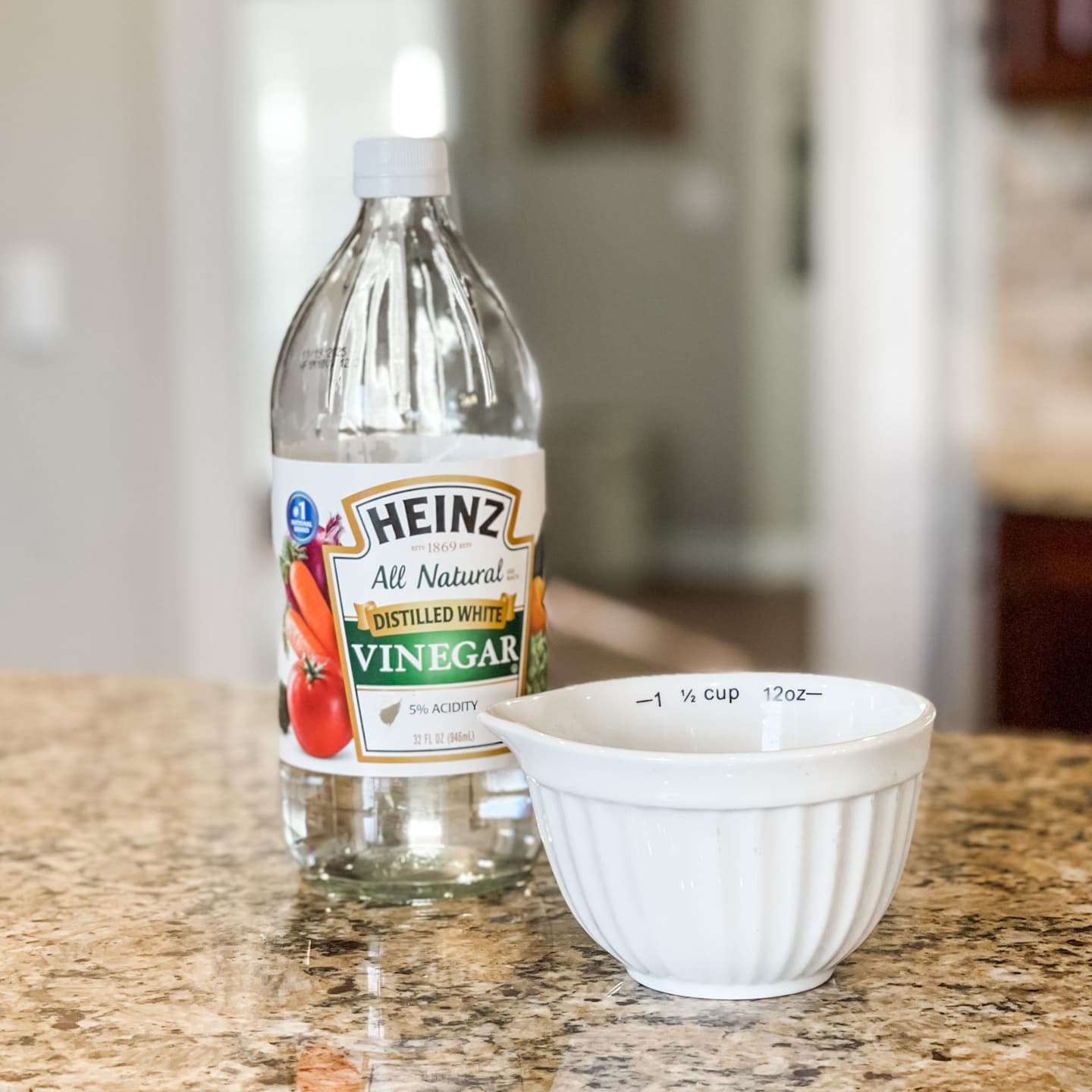
- Gently dab the area with undiluted white vinegar.
- Finish by gently dabbing the stain with cold water.
- Woolmark's first step is 'immediately', so treat blood right away where the garment allows.
Ink and egg or milk
- For ballpoint pen ink, dab gently with a lint-free cloth (not paper towel) soaked in surgical spirit or rubbing alcohol, then press gently with an absorbent cloth or towel to soak up excess solvent — the page says do not allow the solvent to dry.
- For egg or milk, mix half a teaspoon of salt into one cup tepid water, dab the stain with the solution, rinse well and blot up excess water.
- If an egg or milk stain persists, apply one teaspoon of biological detergent in a cup of warm water, wait 15 minutes, rinse well with clean water, then repeat the action with a cloth soaked in diluted white vinegar to neutralize the biological detergent.
Grease, makeup and shoe polish
- If a greasy mark forms, first scrape the surface of the stain with a spoon or blunt knife to remove any excess oil.
- Use a hot iron over layers of tissue to soak up the excess oil or grease.
- If required, soak a lint-free cloth in proprietary grease remover or white spirit, gently dab the area while blotting the solvent as much as possible, and repeat if necessary, then allow to dry.
- For lipstick, makeup or shoe polish, gently dab from the edge of the stain with a cloth soaked with white spirit or spot-cleaning spray, then press gently with an absorbent cloth or towel to soak up excess solvent and allow to dry.
Two notes that go beyond the Woolmark page and are the editors' own precautions, not part of the official method: surgical spirit and white spirit give off strong fumes, so hypothetically work somewhere ventilated, for example near an open window; and before applying any solvent, spot-test it on an unnoticeable area of the same fabric, for example hypothetically a hem or seam allowance.
Woolmark's own closing step in each recipe is to wash the garment according to its care claim with a Woolmark-approved detergent, and by Woolmark's account wool actually requires less washing than other fibres — so a treated spot may not always call for a full wash.
How to check the steps yourself
- Open Woolmark's care hub and use the stain selector under its care tool to pick your stain type, then compare the steps shown with your garment's care label.
- Detergents should carry the Woolmark approval the page describes; check the bottle — approved-product lists and availability change, and the page guidance is what Woolmark published at the time of reading.
- For stain types this article does not cover, use the selector's full list on the page.
From the source
Written from the pages listed above and checked by the editors. Spotted a mistake? Write to us: corrections keep the address and the first publication date.
Read next
More in CareHow to Iron Wool: Woolmark's Official Steps, Settings and Precautions (and Where the Advice Stops)
Woolmark's own care pages give a four-step method for pressing wool — a wool/medium/2-dot heat setting, reshaping by hand, steam or a light spray of water, and resting the garment flat before storing — plus a short list of things to avoid. This guide walks through those steps as Woolmark gives them, explains why many wool garments need no ironing at all, and points out where the advice leaves off.
Care·What the rule says··4 min
Caring for a GORE-TEX SHAKEDRY Garment: Gore's Special Washing Rules for Persistent-Beading Shells
GORE-TEX SHAKEDRY jackets (rain shells with a persistent beading surface) are the exception in GORE-TEX outerwear care: per Gore's care instructions page, they have no textile outer layer, so you should not apply a DWR treatment, and you wash them on a delicate cycle at 105°F/40°C without tumble drying or ironing. This guide sets out the brand's special-care steps as stated, and how they differ from care for standard GORE-TEX outerwear.
How to Wash Merino Wool: Washing Frequency, Machine and Hand-Wash Steps, Shrinkage and Pilling, Following Patagonia's Care Guide
Patagonia's care guide explains how often to wash merino wool-blend baselayers, socks and midlayers, how to machine-wash or hand-wash them, what causes shrinkage and pilling, and how to remove pills. The steps below follow the brand's guide, which covers Patagonia's merino wool-blend garments.