Labels, Claims & Rights·Brand program
Fair Trade Certified on Patagonia Clothing: How the Brand Says Its Premium-and-Worker-Fund Program Works
A brand program profile: what Patagonia says Fair Trade Certified means on its clothing, how the brand says its premium and worker-run Community Development Fund work, and the figures it reports — all attributed, with limits.
Contents
If you are looking at Patagonia clothing and the brand's own Fair Trade program, the starting point is a seal the brand references: Fair Trade Certified. According to Patagonia, the program works by paying a premium on every item made in a Fair Trade Certified factory, with the money going back to the workers in that factory.
This is a brand program profile, not an endorsement. Everything below is what Patagonia states on its own Fair Trade page and its Environmental & Social Footprint page, as stated on the brand's pages, read 9 October 2026; the Fair Trade page itself carries no publication date, so its figures should be treated as the brand's current statements.
What the program pays for, in the brand's words
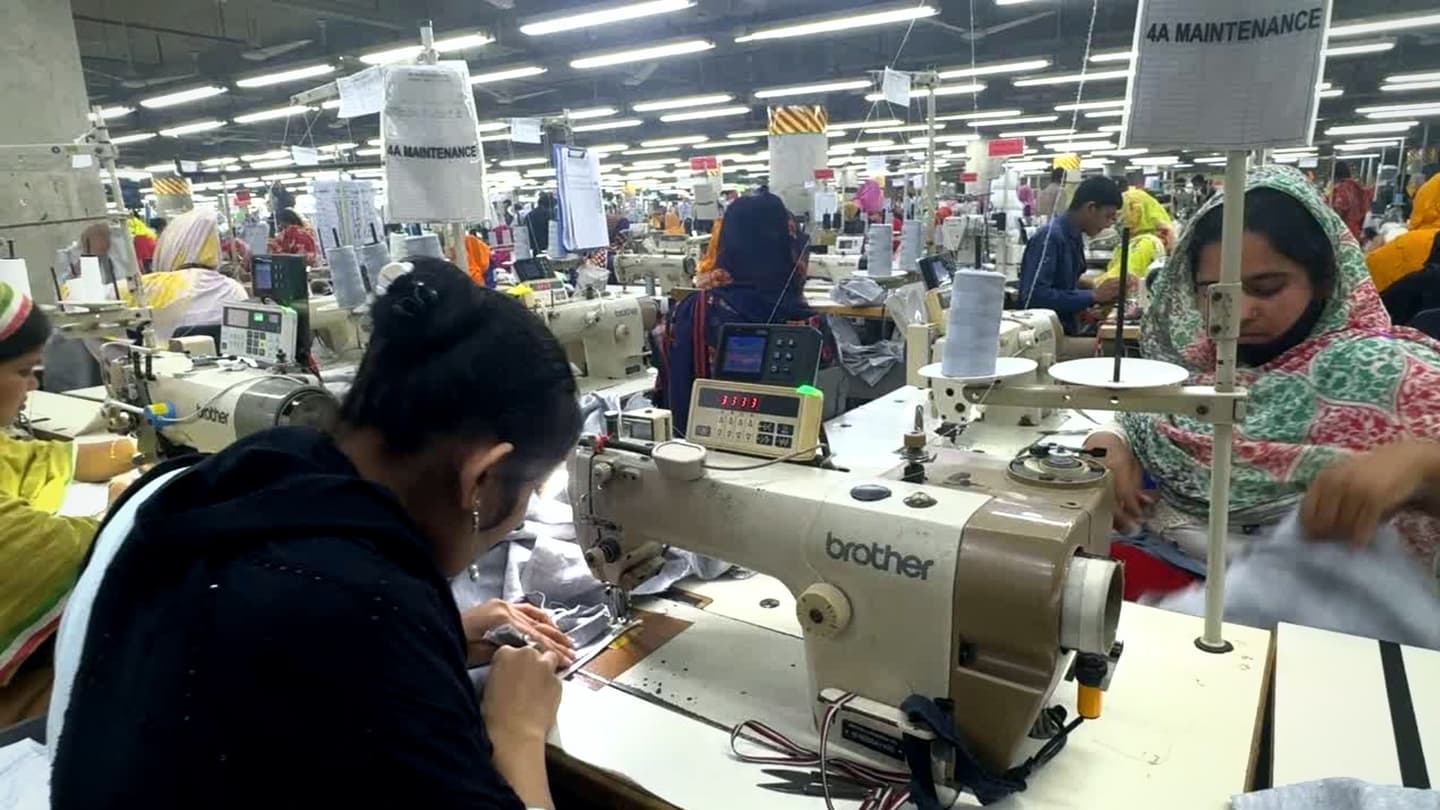
Patagonia does not own any factories that make its products, which the brand itself names as a limit: "Patagonia doesn't own any factories that make our products, so we have limited control over how much workers receive." Its stated answer is the Fair Trade premium, which the brand says goes directly back to factory workers in the form of a Community Development Fund that they fully control — a structure the brand sets against traditional top-down programs.
The mechanism, as the brand describes it, runs through worker committees. In each factory, a democratically elected committee of workers gathers input from the workforce to determine how to use the funds. Patagonia lists examples the brand says workers have chosen: health-care programs, child-care centers, essential purchases like laptops or stoves, or a cash bonus.
The brand also says the program covers more than money. According to its page, Fair Trade promotes worker health and safety, strong social and environmental workplace standards, and dialogue between workers and management.
The figures the brand reports
Patagonia says it has been making Fair Trade clothing since 2014 through a partnership with Fair Trade USA, and states that over 90% of its line is made in a Fair Trade Certified factory. The brand reports that, to date, the program has impacted more than 90,000 workers around the globe and that there are now more than 60 Fair Trade Certified factories specializing in outdoor clothing.
The brand's own pages do not present one consistent worker count. The Fair Trade page gives a figure of "90,000+ The number of workers supported by our Fair Trade program," while the Footprint page, in its "This Season" progress list, says 85,000+ workers benefit from the program alongside the same "more than 90%" share. The two pages do not explain the difference, so both numbers stand as the brand's reported figures.
Living wages: where the brand says the program stands
It is worth separating what the brand's pages say the program is from what they do not address. The premium funds worker-chosen benefits; the Fair Trade page does not present the premium as a guarantee that every worker already earns a living wage. On the contrary, Patagonia calls Fair Trade USA its "first step on the path toward ensuring living wages in our supply chain" and says it continues to work to find a permanent solution to ensure all workers who make its clothing earn a living wage.
The brand's Fair Trade page describes the program in terms of certified factories; the brand's pages do not go further into how the program's coverage relates to other parts of the supply chain. A brand statement is a claim, not an audit — treat the certification status of a specific item as what the brand or the item's labeling says it is.
Scope: which items carry the seal
The brand's own figure — over 90% of its line — is not 100%. In other words, by the brand's account, some products in the line are made in factories that are not Fair Trade Certified. Patagonia's pages do not offer an item-by-item list, as far as its stated program pages show, so if the seal matters to your purchase, check the individual product rather than assuming the whole line qualifies.
How to check this yourself
- Look for the Fair Trade Certified seal or mention on the individual product listing and label before you buy, and if the item does not show one, treat the brand's line-level percentage as not covering that item by itself.
- Read Patagonia's Fair Trade page and its Environmental & Social Footprint page directly; figure statements like the worker counts can change and differ between pages.
- The brand names Fair Trade USA as its certification partner; readers who want the standard's rules rather than the brand's description should consult official Fair Trade USA materials.
- Remember that a brand's statement is a claim, not an audit, and the checked brand pages carry no publication date.
From the source
Written from the pages listed above and checked by the editors. Spotted a mistake? Write to us: corrections keep the address and the first publication date.
Read next
More in LabelsLabels·What the rule saysUS··6 min
What the Rule Says (US): The FTC's Made in USA Labeling Rule (16 CFR Part 323) — What the "All or Virtually All" Standard Means on Clothing and Other Products
The FTC's "all or virtually all" standard for unqualified Made in USA claims, now codified at 16 CFR Part 323, what qualified claims look like, and how this voluntary marketing rule sits alongside the separate mandatory country-of-origin labels required for textile and wool products.
Labels·What the rule saysUK··5 min
What the Rule Says (UK): The 14-Day Right to Cancel an Online Clothing or Shoe Order Under the Consumer Contracts Regulations 2013
When you buy clothes or shoes online in the UK and simply change your mind — the item is fine, but you no longer want it — your right to return is governed by a different rule from the faulty-goods rules: the Consumer Contracts (Information, Cancellation and Additional Charges) Regulations 2013. This explainer sets out what the Regulations say: when the 14-day cancellation period starts (for most orders, from delivery, with special rules for split deliveries and subscription-style regular deliveries), that you can cancel without giving a reason, how the period is extended when the trader fails to tell you about the right to cancel, and the rules' own limits. All statements are drawn from the Regulations themselves as published on legislation.gov.uk, as read for this article.
How to Return an H&M Order from the US: The 30-Day Window, the $5.99 Mail-In Fee, and What Counts for In-Store Returns
H&M's US return policy, as stated on the brand's own customer-service page: a 30-day decision window, free in-store returns with a receipt and tags, a $5.99 fee deducted from mail-in returns of online purchases, refunds to the original payment method, and a gift-card caveat that matters. Here is how the policy works, what it excludes, and how to check the terms before you send anything back.