Labels, Claims & Rights·What the rule saysEU
What EU Rules Say About Clothing Labels: Fiber Names, Percentages and 'Contains Non-Textile Parts of Animal Origin'
Regulation (EU) No 1007/2011, in force since 8 May 2012, sets out what must appear on textile labels sold in the EU: harmonized fiber names, percentages by weight in descending order, limits on terms like '100%', 'pure' and 'virgin wool', and a mandatory phrase where non-textile parts of animal origin are present. This explainer summarizes what the rule requires, what it does not cover, and how you can check a label yourself.
Contents
If you have ever squinted at a garment label and wondered what the percentages and phrases on it actually mean — or whether a seller is allowed to write 'pure wool' on a sweater (jumper) that is 95% acrylic — the answer for EU sales is set by a single law: Regulation (EU) No 1007/2011. Adopted on 27 September 2011, it replaced three earlier directives and harmonized the names of textile fibers and the composition indications appearing on labels and markings across the Union, with the stated aim of eliminating obstacles to the internal market caused by diverging national provisions.
According to the official EUR-Lex summary, the regulation seeks to ensure that EU consumers are properly informed, and it has applied since 8 May 2012. This article is an explainer of what the rule says; it is not legal advice, and the consolidated version of the text (15 February 2018) is of documentary value only, so amendments since then should be checked against the current EUR-Lex text.
Which products the rule covers
The regulation applies to products composed exclusively of textile fibers and to products treated in the same way as textile products — the summary gives the example of products containing at least 80% by weight of textile fibers. It does not apply to everything: products contracted out to people working at home, to independent firms, or to self-employed tailors are excluded. The summary notes the labeling rules also do not apply to products listed in Annex V of the regulation.
Fiber names and composition percentages
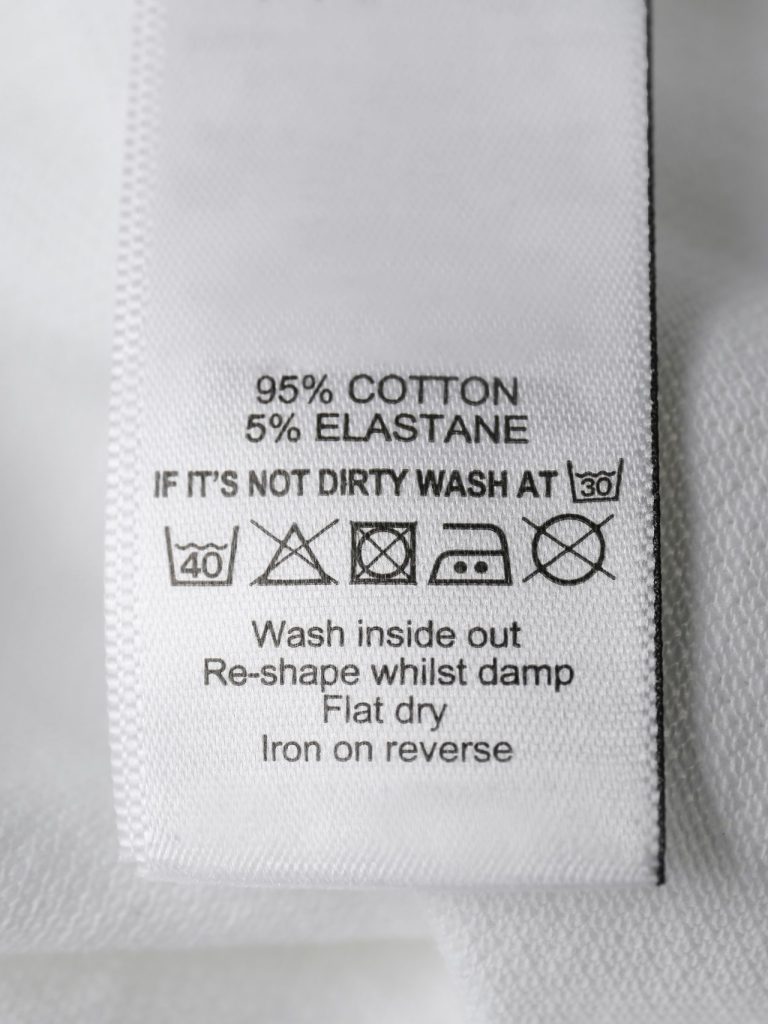
The core of the rule is naming. The description of a product's fiber composition must use the textile fibers listed in the regulation's Annex I. Manufacturers who want a new fiber name added may apply to the European Commission with a technical file drawn up in line with Annex II. For products made of several fibers, the label must give the name and percentage by weight of all constituent fibers, in descending order, so the dominant fiber appears first.
'100%', 'pure', 'all' and 'virgin wool'
Some of the most familiar label words are tightly restricted. The terms '100 %', 'pure' or 'all' may be used only for textile products composed of a single textile fiber. The terms 'virgin wool' or 'fleece wool', along with other terms listed in Annex III, may appear only when the product is composed exclusively of a wool fiber that has not previously been incorporated in a finished product and has not been subjected to any spinning. In other words, these phrases are legal definitions, not marketing flourishes — if you see 'pure' on a blended garment, that is a point worth checking with the seller or a national enforcement authority.
'Contains non-textile parts of animal origin'
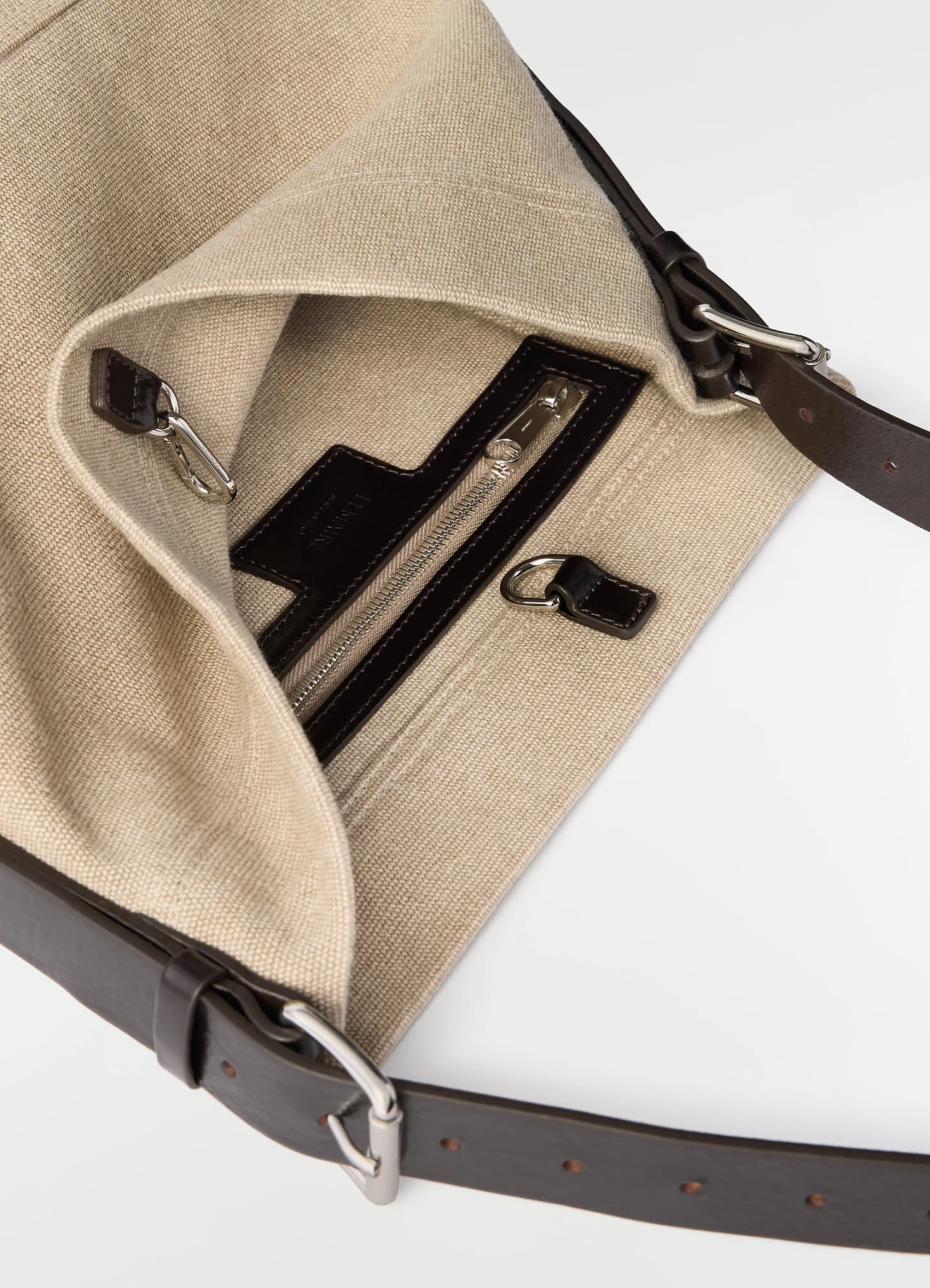
The phrase appears on labels for a legal reason: where a textile product includes non-textile parts of animal origin — the summary gives the example of a leather strap on a bag made of fabric — its presence must be indicated with the wording 'Contains non-textile parts of animal origin'. For shoppers avoiding animal materials or simply wanting to know what a trim is made of, this phrase is the legally required disclosure to look for on labels within the regulation's scope.
How labels must be presented, and who is responsible
The regulation also sets form, not just content. Products sold to consumers must be labeled and marked in a durable, legible, visible and accessible way, indicating their fiber composition, and labeling must be offered in the official language(s) of the country where the product is sold. Where a product consists of two or more textile components with different fiber compositions, each component's composition must appear. Responsibility for labeling or marking rests with those selling the products.
What the rule does not do
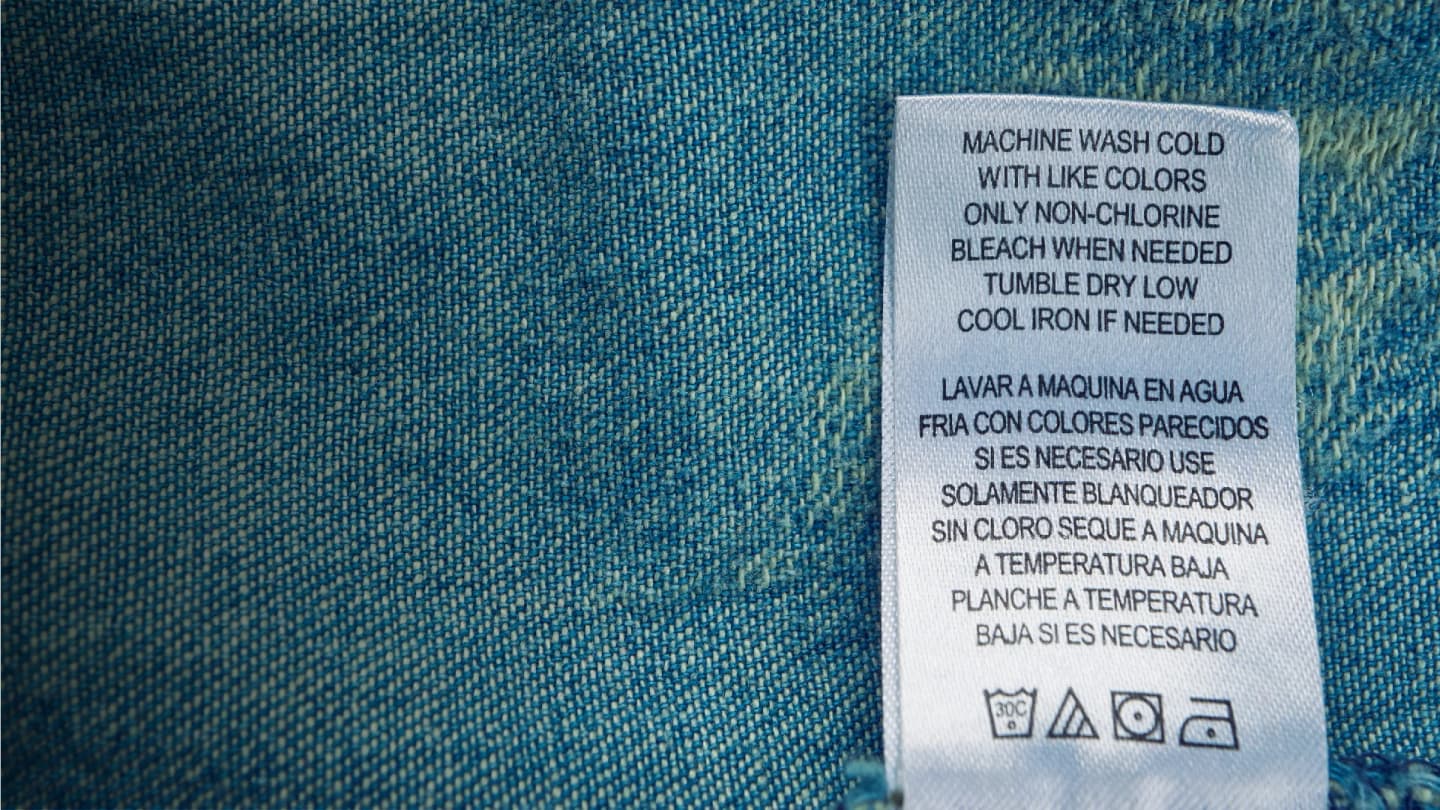
It helps to know the boundaries. The regulation harmonizes fiber names and composition labeling; the summary notes that other labeling and marking may exist alongside it, provided it does not cover the same scope and is compatible with the Treaties — so care symbols, origin claims and sustainability claims on a label are governed by other rules, which this article does not cover. Enforcement is also built in: EU countries' market surveillance authorities must check fiber composition using the analysis methods in Annex VIII.
You can verify any of this yourself. Read the current consolidated text of Regulation (EU) No 1007/2011 on EUR-Lex — check the version date before relying on a provision — and compare Annex I against the fiber names on a garment's label. Then, on a label in your wardrobe, confirm the percentages appear in descending order, that '100%' or 'pure' appears only on single-fiber items, and that the animal-origin phrase is present where a leather or other animal-derived trim exists. If something looks wrong, your national consumer protection or market surveillance authority is the body the regulation charges with checking fiber composition.
From the source
Written from the pages listed above and checked by the editors. Spotted a mistake? Write to us: corrections keep the address and the first publication date.
Read next
More in LabelsWhat Gore Says Its Certifications Cover: bluesign®, OEKO-TEX STANDARD 100 and GRS on GORE-TEX Products, as the Brand States Them
Gore, the maker of GORE-TEX fabrics and laminate, describes three third-party certifications on its own blog: bluesign®, OEKO-TEX® STANDARD 100 and the Global Recycled Standard (GRS). This profile collects those brand-attributed statements, including the share of shipped Fabrics volume the brand reports as certified, where the figures stop, and how you can check certifications on a product you are considering.
Labels·What the rule saysUK··5 min
What the rule says (UK): the DMCC Act 2024 ban on fake and hidden incentivised reviews — and what it means when you read clothing and shoe reviews
The UK's Digital Markets, Competition and Consumers Act 2024 adds prohibitions on submitting or commissioning fake reviews, reviews that conceal an incentive, and publishing reviews in a misleading way. A reader's guide to what the Act's Explanatory Notes say, and how to read clothing and shoe reviews with it in mind.
What the EU Ecolabel on Clothing and Textiles Actually Certifies — Criteria, Validity Through 2028 and the Ongoing Revision
The EU Ecolabel is the European Union's official voluntary label for environmental excellence, and it covers both textile products and footwear. Based on the European Commission's own product-page material, we explain what the label guarantees for textiles and shoes, which criteria decisions currently apply, how long those criteria remain valid after the 23 December 2025 amendment, and what the ongoing revision means for shoppers.