Labels, Claims & Rights·Explainer
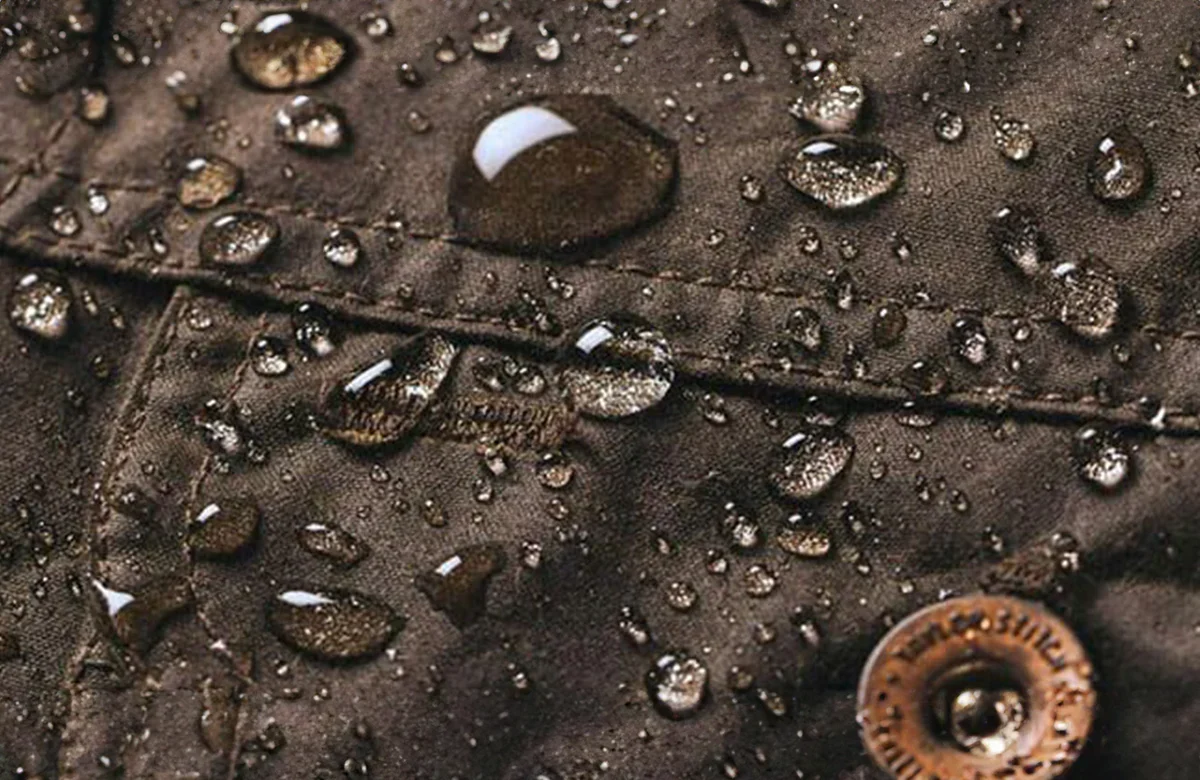
What Gore Says Its Certifications Cover: bluesign®, OEKO-TEX STANDARD 100 and GRS on GORE-TEX Products, as the Brand States Them
Gore, the maker of GORE-TEX fabrics and laminate, describes three third-party certifications on its own blog: bluesign®, OEKO-TEX® STANDARD 100 and the Global Recycled Standard (GRS). This profile collects those brand-attributed statements, including the share of shipped Fabrics volume the brand reports as certified, where the figures stop, and how you can check certifications on a product you are considering.
Watch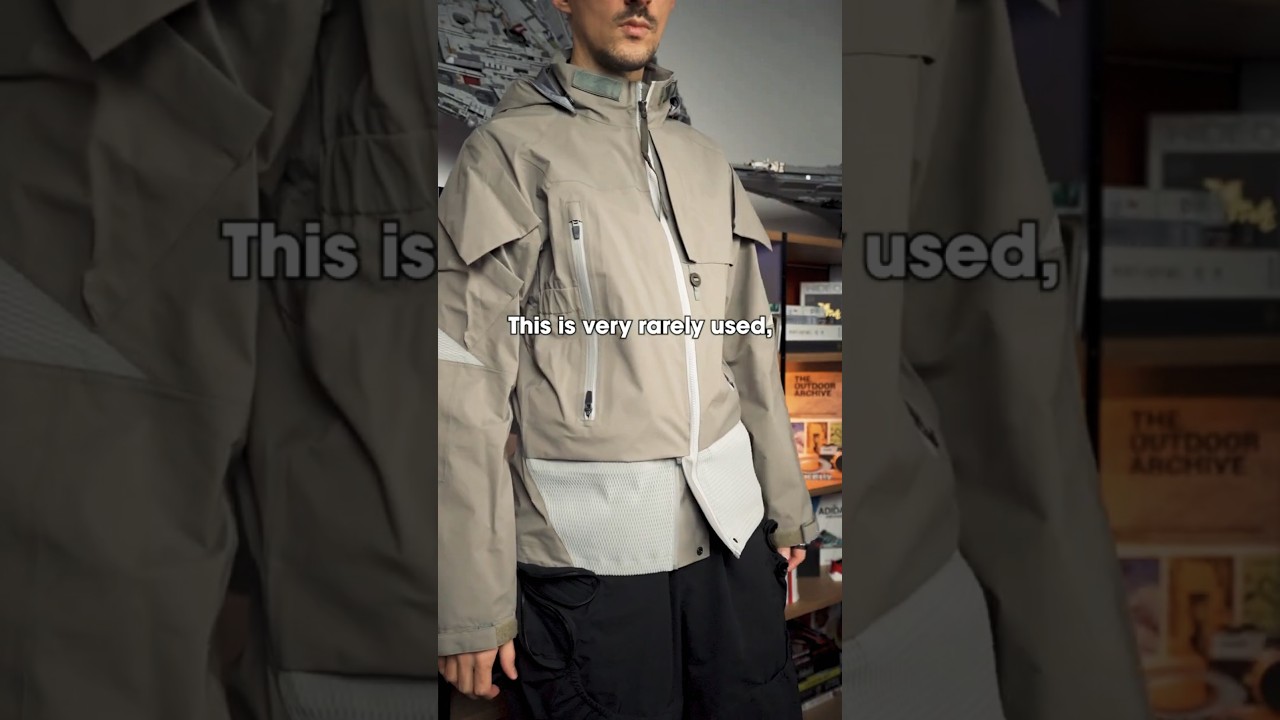 Gore-Tex Jackets Are NOT All The Same
The recording belongs to This Is Antwon, not to this publication, and it plays from YouTube: opening it lets YouTube see the request.Watch on YouTube instead.
Contents
GORE-TEX laminates appear in jackets, footwear and gloves sold under other brands, so the certification claims on the hangtag or product page trace back to Gore's Fabrics business. In a blog post dated 22 July 2025, a Gore employee writing in a supply chain sustainability role set out how the brand says its products are certified: through bluesign®, OEKO-TEX® STANDARD 100 and the Global Recycled Standard.
Staying close to what the brand itself states matters here. The post is Gore describing its own practices and figures; it is not an auditor's report, and the percentages it gives are brand-reported. With that framing, here is what the post says about each certification and its limits.
The three certifications, in the brand's words
Gore's post describes each standard as follows:
- bluesign®: the standard "certifies that textiles are produced with minimal environmental impact and under safe working conditions" and "verifies responsible resource use, checking that harmful chemicals are not used in production processes."
- Global Recycled Standard (GRS): it "verifies the authenticity of recycled materials used in textiles" and "certifies that every step of the supply chain upholds social, environmental, and chemical responsibility."
- OEKO-TEX® STANDARD 100: it "certifies that textiles are free from harmful substances."
The figures Gore reports — and what they cover
The brand gives two numbers, both about 2024 shipment volumes in its Fabrics consumer business: "In 2024, more than 94% of total shipped product volume within our Fabrics consumer business was bluesign® APPROVED," and "more than 99% of total shipped product volume meets this standard" for OEKO-TEX® STANDARD 100. Both are brand-reported shares of shipped volume, not independent audit results, and neither figure speaks to a specific garment's certification.
GRS and the manufacturing sites
For recycled content, Gore says its Fabrics business "received GRS certification for its manufacturing sites in Shenzhen, China, and Putzbrunn, Germany, since 2021." The brand says this lets it "trace recycled materials from their original source through every step of the production process" and that "it helps us confirm that our recycled content is genuinely recycled." Gore describes GRS certification as "a chain-of-custody system, preventing the mixing of virgin materials with recycled content." What this means in practice: the brand's statements about GRS concern its Fabrics manufacturing sites, so a specific jacket's recycled content is a matter of that item's own GRS claim or label.
What the brand says about upkeep of the certificates
Gore describes certification as ongoing rather than a one-off: "Maintaining these certifications is a continual process. Each year, we undergo various assessments that evaluate our manufacturing facilities and provide recommendations for further improvements." The brand also states, "We have a very close relationship with bluesign®, GRS, and OEKO-TEX®." These are Gore's own characterisations of the relationship, attributed to the brand post.
How to check a specific product
Brand-reported volume figures describe Gore's Fabrics consumer business as a whole; they are not a certification of any individual item. Before assuming a specific item carries a given certificate, the following steps are advice from the editors of this guide:
- Look for the certification label on the product itself or in its product listing, where the brand lists which certifications apply.
- Ask the selling brand about the certifications that apply to the specific product you are considering, rather than relying on the brand's general volume percentages.
- Treat Gore's 2024 figures as a dated snapshot of its Fabrics consumer business; they can change and do not certify the specific garment or shoe in front of you.
Gore presents certifications as its way of "driv[ing] transparency," calling them "objective validation of our commitment to sustainability and responsible practices across our supply chain." To weigh those statements yourself, read the brand's 22 July 2025 post, then check what each certification label says on the product you are buying and ask the selling brand for the documentation behind its certification claims.
From the source
Written from the pages listed above and checked by the editors. Spotted a mistake? Write to us: corrections keep the address and the first publication date.
Read next
More in LabelsLabels·What the rule saysUK··5 min
What the rule says (UK): the DMCC Act 2024 ban on fake and hidden incentivised reviews — and what it means when you read clothing and shoe reviews
The UK's Digital Markets, Competition and Consumers Act 2024 adds prohibitions on submitting or commissioning fake reviews, reviews that conceal an incentive, and publishing reviews in a misleading way. A reader's guide to what the Act's Explanatory Notes say, and how to read clothing and shoe reviews with it in mind.
What the EU Ecolabel on Clothing and Textiles Actually Certifies — Criteria, Validity Through 2028 and the Ongoing Revision
The EU Ecolabel is the European Union's official voluntary label for environmental excellence, and it covers both textile products and footwear. Based on the European Commission's own product-page material, we explain what the label guarantees for textiles and shoes, which criteria decisions currently apply, how long those criteria remain valid after the 23 December 2025 amendment, and what the ongoing revision means for shoppers.
Labels·What the rule saysEU··4 min
What the Rule Says (EU): Directive (EU) 2024/1799 Promoting Repair — What It Requires, Since When, and What It Covers
An explainer of the EU's Directive on repair of goods, per the European Commission's page: adoption and application dates, the Annex II scope mechanism, the repair-based guarantee extension, the European Repair Information Form, national repair-promotion measures, and what the rule, as the Commission describes it, names for clothes and shoes.