Labels, Claims & Rights·What the rule saysEU
What the Rule Says (EU): Directive (EU) 2024/1799 Promoting Repair — What It Requires, Since When, and What It Covers
An explainer of the EU's Directive on repair of goods, per the European Commission's page: adoption and application dates, the Annex II scope mechanism, the repair-based guarantee extension, the European Repair Information Form, national repair-promotion measures, and what the rule, as the Commission describes it, names for clothes and shoes.
Watch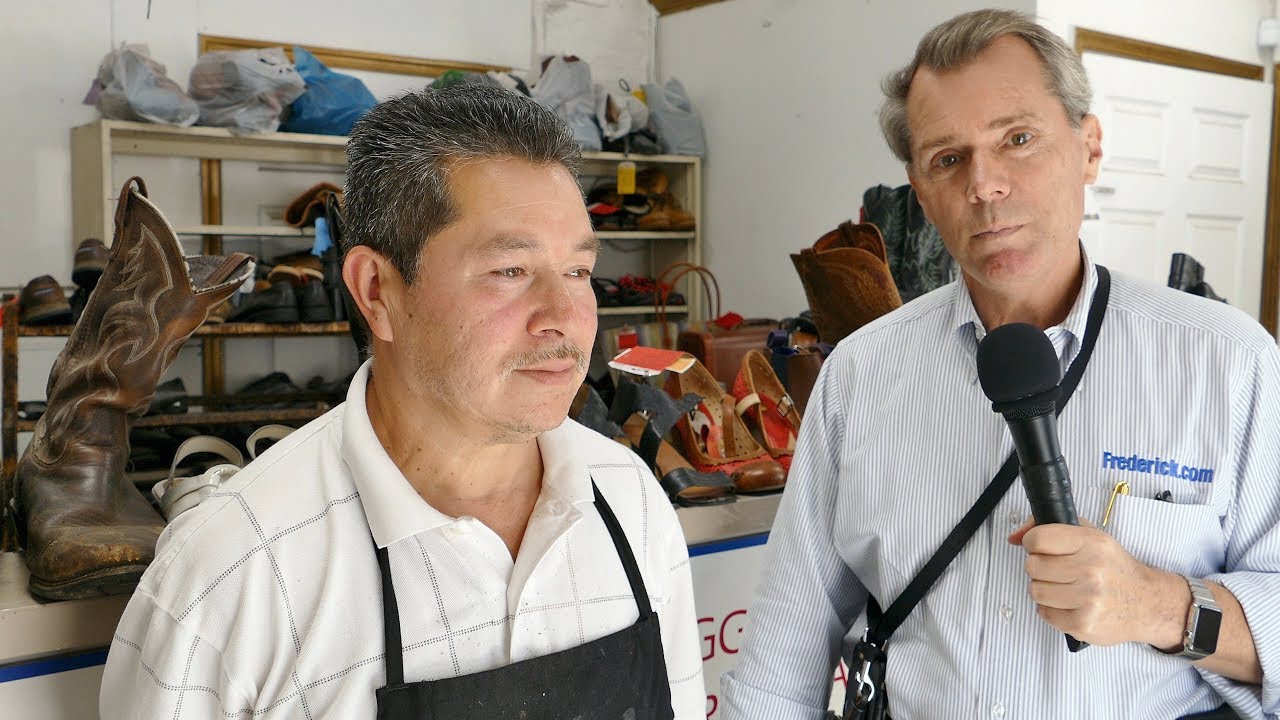 Cobbler's Bench Shoe Repair in 4k UHD
The recording belongs to CraigShipp.com, not to this publication, and it plays from YouTube: opening it lets YouTube see the request.Watch on YouTube instead.
Contents
If you buy clothes or shoes in the EU, you have probably seen repair mentioned alongside sustainability — and wondered whether any of it is actually a legal obligation. Since 31 July 2026, one piece of EU law has set common rules on this: Directive (EU) 2024/1799 on common rules promoting the repair of goods. This article sets out what the rule requires, when it took effect, and which products it covers, per the Commission's official page on the Directive.
The Directive was adopted on 13 June 2024, and Member States had to transpose it into national rules and apply it from 31 July 2026. Its stated aim is promoting more sustainable consumption by increasing repair both within and outside the legal guarantee. It sits alongside the Ecodesign framework — where Ecodesign measures promote product reparability by setting requirements on, amongst others, product design and availability of spare parts — and complements Directive (EU) 2024/825 on Empowering Consumers in the Green Transition, which aims at providing consumers with better information on durability and reparability of goods at the point of sale.
The repair obligation, and its limit: Annex II
The core duty falls on manufacturers of products that are subject to reparability requirements in EU law and listed in Annex II of the Directive. Those manufacturers must repair such products within a reasonable time and for a reasonable price. For shoppers buying clothes or shoes, the scope matters: the categories the Commission names on its page — goods like fridges or smartphones, plus domestic local space heaters, which were added to Annex II as from 31 July 2026 under Commission Delegated Directive (EU) 2026/74 of 12 January 2026 — do not include apparel.
The list is not fixed. The Commission updates it when relevant repairability requirements are adopted for new categories of consumer goods in the Ecodesign framework — so the set of covered products is expected to grow over time. Today, the obligation to repair hinges on a product being in that list and on product-specific reparability requirements, set mainly in legislation implementing the Ecodesign Directive and the Regulation on Ecodesign for Sustainable Products.
What manufacturers must not do, and must tell you
Besides repairing, manufacturers of Annex II goods are prohibited from using contractual clauses, hardware or software techniques that impede repair, unless justified by legitimate and objective factors. Manufacturers that provide spare parts for these goods must do so at reasonable prices. They must also make information on their repair services easily accessible to consumers — for example, on their website or in the instruction manuals — and must inform consumers on a free access website about the indicative prices charged for typical repairs.

Repair instead of replace: the guarantee extension
One element applies where the legal guarantee under the Sale of goods Directive (EU) 2019/771 is at play: the Directive amended that Directive to provide consumers with an extra year of the legal guarantee if they choose to repair the product instead of replacing it under the legal guarantee. Because the Directive works through national rules, it is worth checking your national transposition for the exact mechanics.

Comparison shopping and national measures
The Directive also standardizes how repairers quote for work. Repairers can inform consumers about their repair services via a standard European Repair Information Form, provided in Annex I to the Directive, which would allow consumers to compare different repair offers more easily; when the repairer chooses to provide the Form, the repair conditions set out therein must remain valid for 30 days. Separately, Member States must take at least one measure promoting repair on their territory — the Commission names information campaigns, repair vouchers, or training in repair skills as possible examples. The Commission also continues working with Member States on a European online repair platform, an extension of the "Your Europe" portal foreseen to become operational in January 2028, which will make it easier to find repairers.
Concretely: the Directive's manufacturer repair obligation, its ban on repair-impeding practices, and its spare-part price duties attach to Annex II products — the categories the Commission names, such as goods like fridges, smartphones and space heaters, not apparel. Your rights when a sweater/jumper or sneakers/trainers fail still come from other rules, such as the legal guarantee under Directive (EU) 2019/771 and national consumer law. Brand repair programs, where they exist, remain voluntary offerings described by the brands themselves.
The bottom line for apparel: nothing in what the Commission describes of this Directive places a repair obligation on clothing or footwear makers today, so for garments and shoes the applicable rights remain those of the 2019/771 legal guarantee plus your national transposition of it — and transposition details vary between countries.
From the source
Written from the pages listed above and checked by the editors. Spotted a mistake? Write to us: corrections keep the address and the first publication date.
Read next
More in LabelsWhat Gore Says Its Certifications Cover: bluesign®, OEKO-TEX STANDARD 100 and GRS on GORE-TEX Products, as the Brand States Them
Gore, the maker of GORE-TEX fabrics and laminate, describes three third-party certifications on its own blog: bluesign®, OEKO-TEX® STANDARD 100 and the Global Recycled Standard (GRS). This profile collects those brand-attributed statements, including the share of shipped Fabrics volume the brand reports as certified, where the figures stop, and how you can check certifications on a product you are considering.
Labels·What the rule saysUK··5 min
What the rule says (UK): the DMCC Act 2024 ban on fake and hidden incentivised reviews — and what it means when you read clothing and shoe reviews
The UK's Digital Markets, Competition and Consumers Act 2024 adds prohibitions on submitting or commissioning fake reviews, reviews that conceal an incentive, and publishing reviews in a misleading way. A reader's guide to what the Act's Explanatory Notes say, and how to read clothing and shoe reviews with it in mind.
What the EU Ecolabel on Clothing and Textiles Actually Certifies — Criteria, Validity Through 2028 and the Ongoing Revision
The EU Ecolabel is the European Union's official voluntary label for environmental excellence, and it covers both textile products and footwear. Based on the European Commission's own product-page material, we explain what the label guarantees for textiles and shoes, which criteria decisions currently apply, how long those criteria remain valid after the 23 December 2025 amendment, and what the ongoing revision means for shoppers.