Labels, Claims & Rights·Explainer

What the Leather Working Group (LWG) Rating on Leather Shoes and Bags Actually Certifies — and What It Doesn't
A Gold, Silver or Bronze LWG rating is an environmental audit of a tannery or manufacturer's processes, not a certificate of animal welfare, leather quality or the durability of your shoes. Here is what the audit covers, how the medal levels work, and where the label's meaning stops.
Watch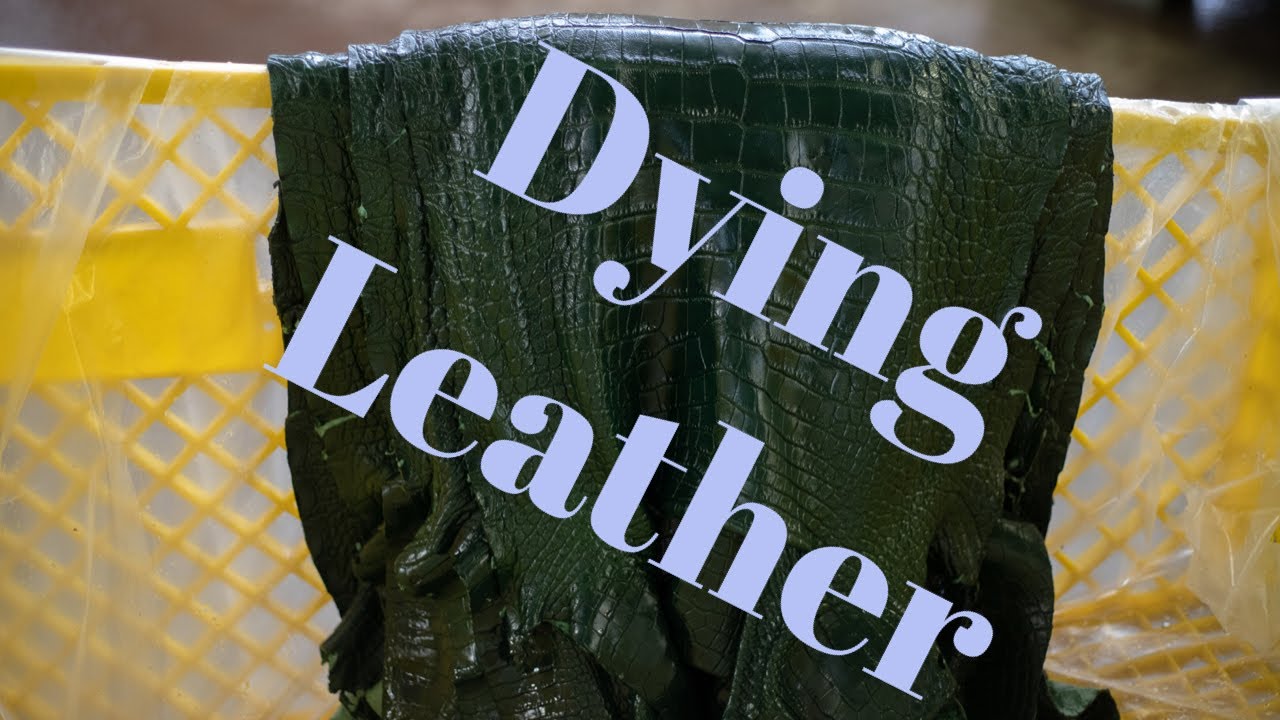 Tannery Tour| Dying Leather| Ep. 2
The recording belongs to American Tanning and Leather LLC, not to this publication, and it plays from YouTube: opening it lets YouTube see the request.Watch on YouTube instead.
Contents
If you have ever turned over a leather shoe or bag and seen a small Gold, Silver or Bronze mark, you were probably looking at a Leather Working Group (LWG) rating. The rating attaches to the facility that made the leather — a tannery or manufacturer — rather than to the individual pair of sneakers/trainers or the bag on the shelf. Understanding what was audited, and by whom, helps you read the label for what it is instead of what it looks like.
Leather Working Group describes its standards as tools to "reduce the environmental impact of the leather industry," developed through consultation with stakeholders. Since 2005 it has designed standards to audit the whole leather chain, from rawhide to finished leather.
Who audits, and who gets audited
The audits are not carried out by LWG itself. They are conducted by an impartial certification body, LWG Assurance Services, working with independent auditors that LWG approves. According to LWG, only these approved auditors can conduct an LWG audit and submit a report, which is then subject to peer review.

There are four audit standards, aimed at different operations in the leather production chain:
- Leather Manufacturer — tanneries and leather makers, eligible for medal ratings
- Commissioning Manufacturer — also eligible for medal ratings
- Leather Trader — rated as Approved when certified
- Subcontractor — rated as Audited when certified
Only Leather Manufacturers and Commissioning Manufacturers receive medal ratings; traders and subcontractors pass at a pass/certified level instead.
What the audit actually measures
The LWG audit is an environmental and process assessment. It includes 17 separate sections covering key areas that affect a manufacturer's performance. According to LWG, these include water and energy usage, environmental management, chemical management, waste management and effluent treatment, and health and safety and housekeeping.
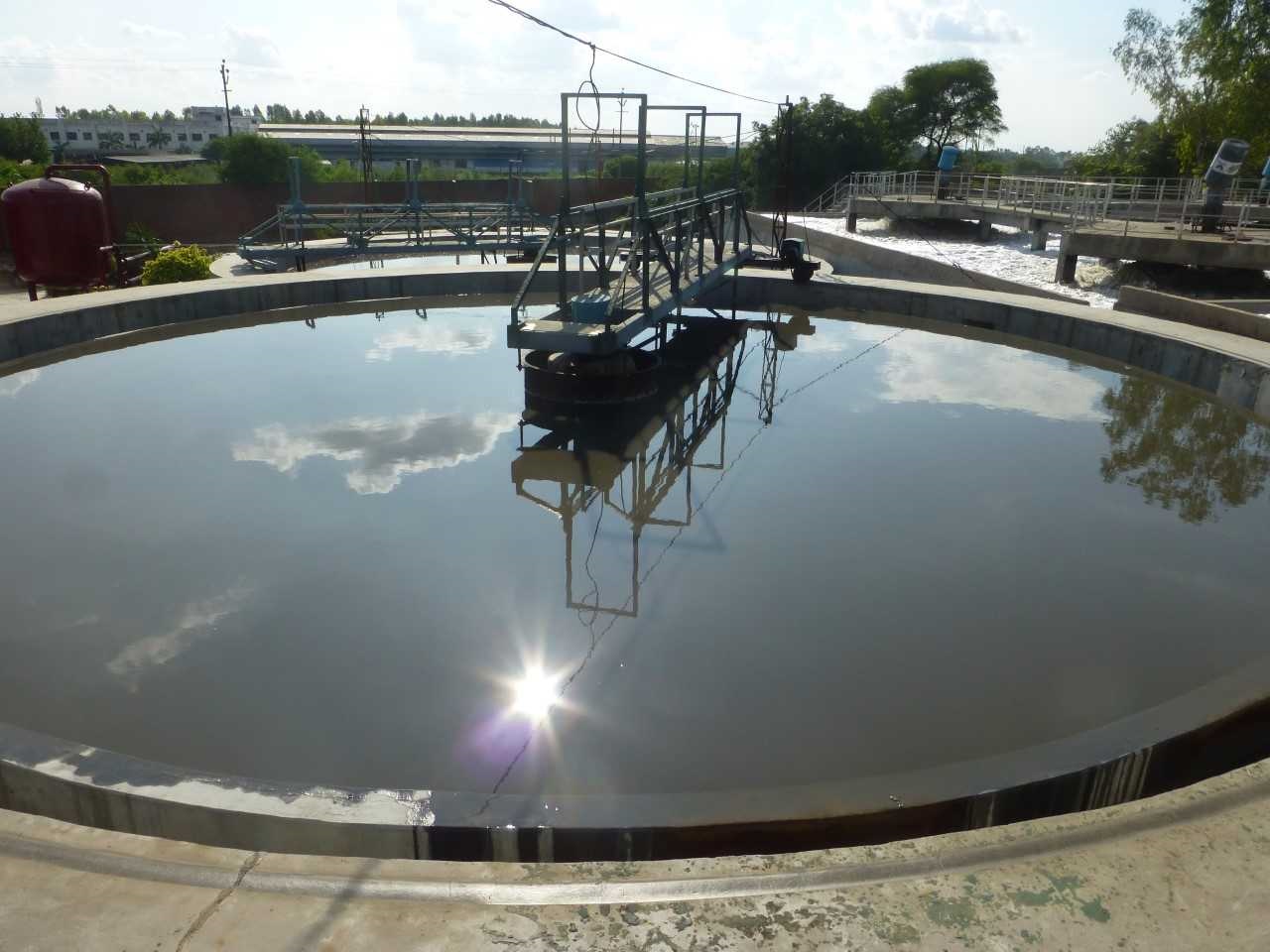
There is also a social auditing section in the Leather Manufacturer Audit (P7), and the audit expects sites to comply at minimum with their local, regional and national legislation. Worker safety is partially covered: the audit includes emergency plans, a limited assessment of health and safety equipment, chemical health and safety, PPE and safe machinery.
How Gold, Silver and Bronze are awarded
A site is scored in each section, and the medal thresholds are set at 85% for Gold, 75% for Silver, 65% for Bronze and 50% for Audited. Crucially, a manufacturer must achieve a rating across all categories to hold it overall: a site scoring a mix of Bronze, Silver and Gold sections ends up certified at the level of its lowest category. So a Gold-rated tannery scored Gold in every scored section, and companies that miss the minimum thresholds do not pass the audit at all.
Chemical limits are tied into the medal levels: LWG states that for both Gold and Silver certifications, Chromium VI (hexavalent chromium) levels must be below 3 mg/kg, and any level above 3 mg/kg results in an automatic failure. The audit also scores previous environmental violations, which the leather maker declares at the time of the audit.
What the rating does not tell you
The clearest limit is animal welfare. LWG states that its environmental audit assesses the environmental performance of a tannery's manufacturing processes and does not audit slaughterhouses, direct or indirect farms. The audit looks at companies making leather from raw hide to finished leather — not at the animals the hide came from. Fur is also outside scope: the LWG standards do not cover any facility that processes or trades in fur.
Two more limits matter when you are standing in a shop. First, the audit is a two-day snapshot in time, not live reporting — subsequent violations are scored at the next audit. Second, the rating belongs to a facility, not to a product: it says how the leather maker performed environmentally, not how well the finished shoe is constructed or how long your boots will last. A Gold rating is a signal about process, and a useful one, but it is not a quality grade for the item in your hand.
How to check a rating yourself
If a brand advertises LWG certification, you can verify what lies behind it. LWG maintains a Find a Certified Supplier directory where you can search for certified facilities and filter by rating, leather type, tannage and country. If the brand names its leather supplier, look that facility up and see what rating it holds and under which standard. Also note that LWG is transitioning from Protocol 7 into a new framework, the LWG Sustainability System, so wording on labels and standards may evolve — worth checking the certification body's own pages for the current state of things.
The simplest check: when a product page or label claims an LWG medal, ask the brand which facility holds the rating and which standard it was audited under, then confirm the facility in LWG's own supplier directory. A rating you can trace to a specific audited site tells you far more than a medal on a hangtag alone.
From the source
Written from the pages listed above and checked by the editors. Spotted a mistake? Write to us: corrections keep the address and the first publication date.
Read next
More in LabelsWhat Gore Says Its Certifications Cover: bluesign®, OEKO-TEX STANDARD 100 and GRS on GORE-TEX Products, as the Brand States Them
Gore, the maker of GORE-TEX fabrics and laminate, describes three third-party certifications on its own blog: bluesign®, OEKO-TEX® STANDARD 100 and the Global Recycled Standard (GRS). This profile collects those brand-attributed statements, including the share of shipped Fabrics volume the brand reports as certified, where the figures stop, and how you can check certifications on a product you are considering.
Labels·What the rule saysUK··5 min
What the rule says (UK): the DMCC Act 2024 ban on fake and hidden incentivised reviews — and what it means when you read clothing and shoe reviews
The UK's Digital Markets, Competition and Consumers Act 2024 adds prohibitions on submitting or commissioning fake reviews, reviews that conceal an incentive, and publishing reviews in a misleading way. A reader's guide to what the Act's Explanatory Notes say, and how to read clothing and shoe reviews with it in mind.
What the EU Ecolabel on Clothing and Textiles Actually Certifies — Criteria, Validity Through 2028 and the Ongoing Revision
The EU Ecolabel is the European Union's official voluntary label for environmental excellence, and it covers both textile products and footwear. Based on the European Commission's own product-page material, we explain what the label guarantees for textiles and shoes, which criteria decisions currently apply, how long those criteria remain valid after the 23 December 2025 amendment, and what the ongoing revision means for shoppers.