Labels, Claims & Rights·What the rule saysEU
What the Rule Says: The EU Ban on Destroying Unsold Clothes, Shoes and Accessories from 19 July 2026
From 19 July 2026, EU rules under the Ecodesign for Sustainable Products Regulation prohibit large companies from destroying unsold apparel, clothing accessories and footwear, with medium-sized companies following in 2030 and small and micro-businesses exempt. Destruction remains permitted only in limited cases — unsafe or damaged items, counterfeits and intellectual-property infringements, or items rejected by charities — when companies provide proof and publish annual reports. National authorities enforce the ban with fines, and companies must keep records for five years. Here is what the rule covers, what it does not, and how to verify it.
Contents
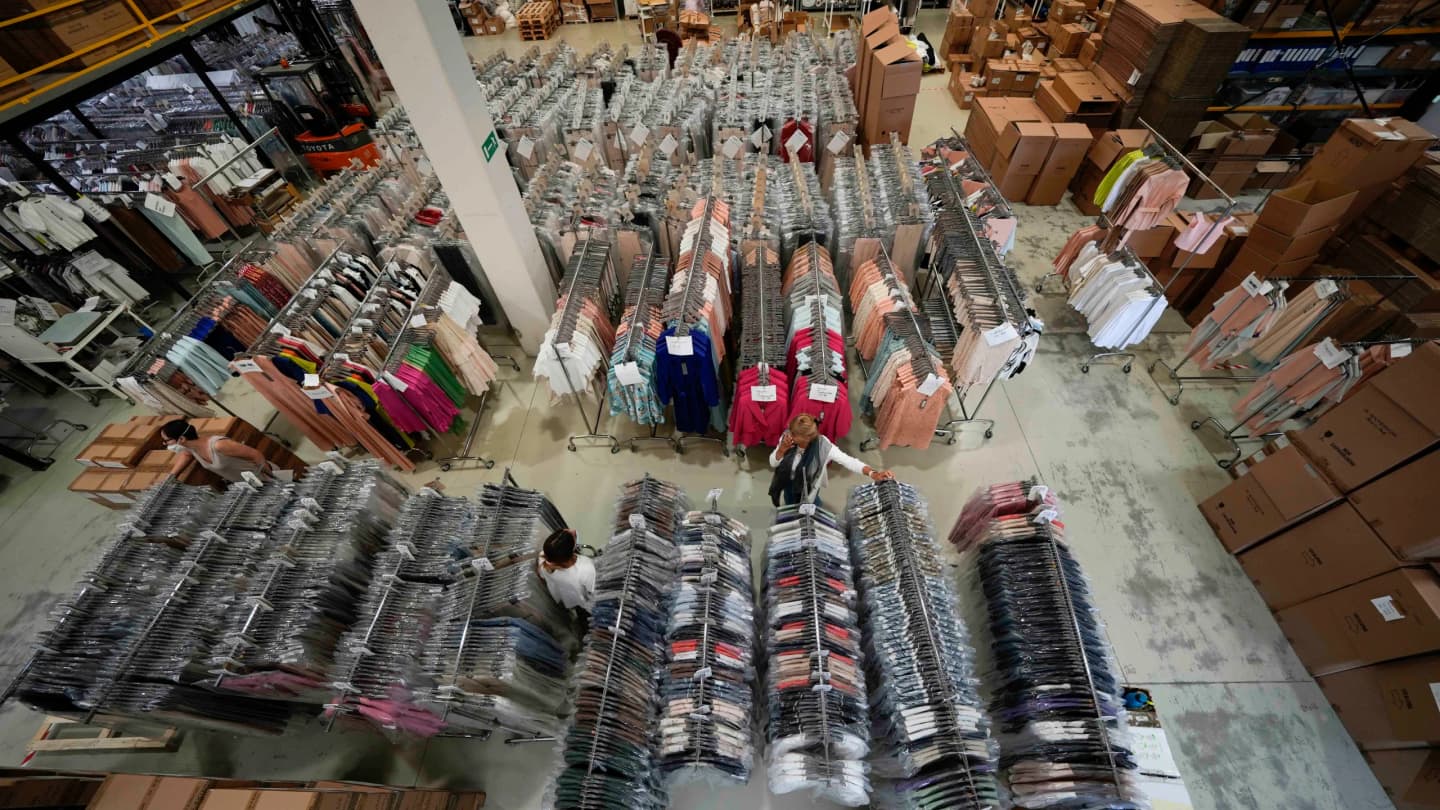
If you have ever wondered what happens to the jumpers/sweaters and sneakers/trainers that never sell — the stock quietly pulled from warehouses at the end of a season — the EU has now answered part of that question with law. From 19 July 2026, large companies across the EU are prohibited from destroying unsold clothes, clothing accessories and footwear, a measure introduced under the Ecodesign for Sustainable Products Regulation (ESPR). The stated aim is to prevent the waste of valuable products and the resources used to make them.
The European Commission's news article of 17 July 2026, citing the European Environment Agency, gives a scale for the practice across Europe: an estimated 4-9% of all textile products put on the market in Europe are destroyed before use, amounting to between 264,000 and 594,000 tonnes of textiles destroyed each year. The Commission's earlier February 2026 announcement gives a differently scoped figure for the unsold side alone: an estimated 4-9% of unsold textiles are destroyed before ever being worn, a waste it says generates around 5.6 million tons of CO2 emissions. When new, usable goods are discarded, the raw materials, water, energy and labor invested in their production are lost, while their disposal generates avoidable greenhouse gas emissions.
Who the ban applies to, and when
The ban on destruction of unsold apparel, clothing accessories and footwear and the derogations apply to large companies from 19 July 2026, and medium-sized companies are expected to follow in 2030. Small and micro-businesses are exempt from these requirements. The disclosure side of the rules — the duty to report on discarded unsold consumer products — already applies to large companies and will also apply to medium-sized companies in 2030.
What companies are expected to do instead
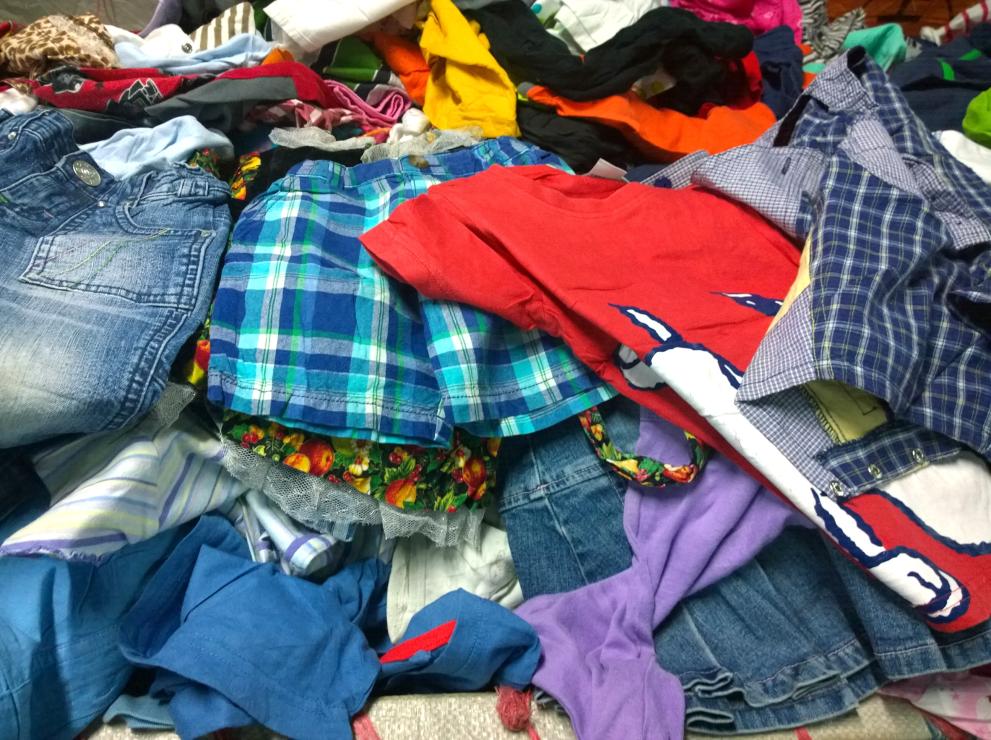
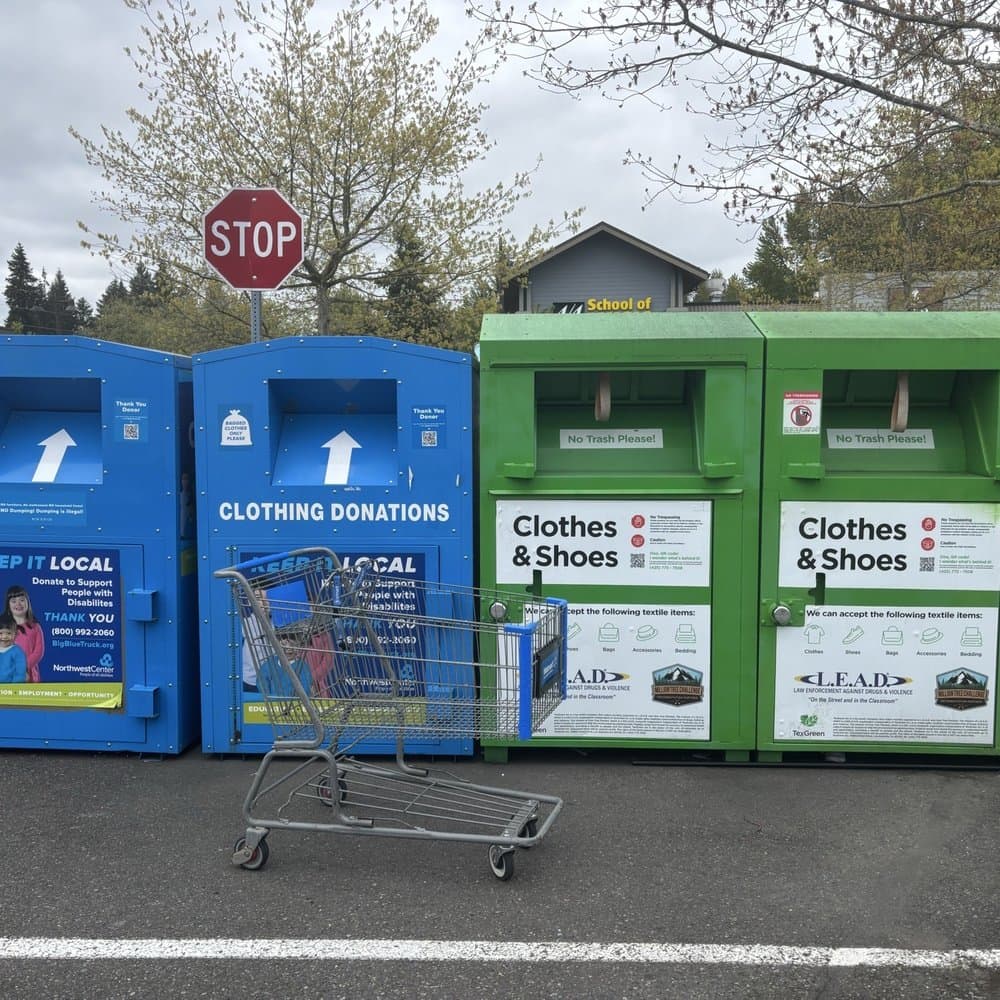
The rule is not only a prohibition; it sets a priority order. According to the Commission, under the new rules businesses must prioritize keeping products in use by selling them — including through discounts or alternative markets — donating them to charities or social enterprises, or preparing them for reuse by repairing, refurbishing or remanufacturing. In its February 2026 announcement, the Commission noted that companies are encouraged to manage their stock more effectively, handle returns, and explore alternatives such as resale, remanufacturing, donations, or reuse.
When destruction is still allowed
The ban has carve-outs. According to the Commission, companies may only destroy unsold clothes and shoes in limited cases, such as when items are unsafe or damaged, counterfeit or infringing intellectual property rights, or are rejected by charities or donation schemes. The February 2026 announcement, adopting the Delegated Act, states that it outlines specific and justified circumstances under which destruction will be permitted, such as safety reasons or product damage, with national authorities overseeing compliance.
The exemptions come with strings attached. According to the Commission, to prevent misuse, businesses relying on them must provide proof — for example documents or test results — and publish annual reports on what they have discarded. Where destruction does happen, it must be carried out in accordance with the waste treatment hierarchy, giving priority to recycling.
Disclosure duties and enforcement
Beyond the ban itself, the ESPR requires companies to disclose information on the unsold consumer products they discard as waste. A separate Implementing Act introduces a standardized format for businesses to disclose the volumes of unsold consumer goods they discard; according to the Commission's February 2026 announcement, this applies from February 2027, giving businesses sufficient time to adapt. To cut down on paperwork, businesses will use existing customs and logistics codes when reporting.
Enforcement sits with the member states. According to the Commission, national authorities will check compliance and can impose fines for violations, and companies must keep records for five years to allow inspections. As the dates above show, parts of the regime are still being phased in, so the practical picture for 2026 is not the final one: the medium-sized-company obligations start in 2030 and the standard-ized disclosure format applies from February 2027. These terms reflect the Commission's pages of 9 February and 17 July 2026 as read for this article.
How to check it yourself
You can verify each of these points from the primary sources rather than press summaries:
- Read the Commission's news page of 17 July 2026, "Ban on destruction of unsold clothes and shoes enters into application", which lists the dates, exemptions and enforcement details as the ban takes effect.
- Read the Commission's announcement of 9 February 2026, "New EU rules to stop the destruction of unsold clothes and shoes", for the Delegated and Implementing Acts, the derogations and the February 2027 disclosure date.
- Follow the links on those pages to the Delegated Regulation and Implementing Regulation on EUR-Lex for the legal texts, where you can confirm dates and definitions directly.
- If you want the waste estimate behind the rule, the EEA briefing on the destruction of returned and unsold textiles in Europe's circular economy is also linked from the Commission's pages.
From the source
Written from the pages listed above and checked by the editors. Spotted a mistake? Write to us: corrections keep the address and the first publication date.
Read next
More in LabelsLabels·What the rule saysEU··4 min
What the Rule Says: The EU Digital Product Passport for Textile Apparel — What the ESPR Requires and the Planned Timeline
A regulation explainer for clothes buyers: the EU Digital Product Passport, its legal basis in the Ecodesign Regulation (ESPR) (EU) 2024/1781, what a textile passport may contain under the draft framework, who the requirements cover, and the indicative timeline (planned textiles delegated act in Q4 2027). All textile-specific dates and content are still indicative, since the delegated act has not been adopted.
Labels·What the rule saysEU··4 min
What the Rule Says: The EU Green Claims Directive — the Proposed Rules on Substantiating Environmental Claims, and Why They Are Not Law Yet
In March 2023 the European Commission proposed a Directive on substantiating and communication of explicit environmental claims (the Green Claims Directive). On the Commission's page as reviewed for this article, its status is still listed as “Pending”, meaning it is a proposal, not rules in force. This explainer covers what the proposal would require — science-based substantiation, independent verification and governance of labeling schemes — how it fits with the EU's textiles strategy, and what shoppers can rely on today.
Labels·What the rule saysUS··4 min
What the US Care Labeling Rule (16 CFR Part 423) Requires on Clothing Labels — and What It Doesn't
An explainer of the FTC's Care Labeling Rule: what a care label must say on garments sold in the US, when symbols or exemptions apply, and where the rule's requirements stop.