Labels, Claims & Rights·What the rule saysUS
What the Rule Says (US): The Fur Products Labeling Act and FTC Fur Rules — What Must Appear on a Fur Garment Label
In the United States, fur garments sold to consumers fall under the Fur Products Labeling Act and the FTC's Fur Rules (16 CFR Part 301). According to the FTC, the rules require fur products to be labeled with information such as the animal's name, the manufacturer's name, and the garment's country of origin. This explainer sets out the legal basis, the rule's core labeling requirement, and the FTC's rulemaking history, based on the FTC's Fur Rules page.
Contents
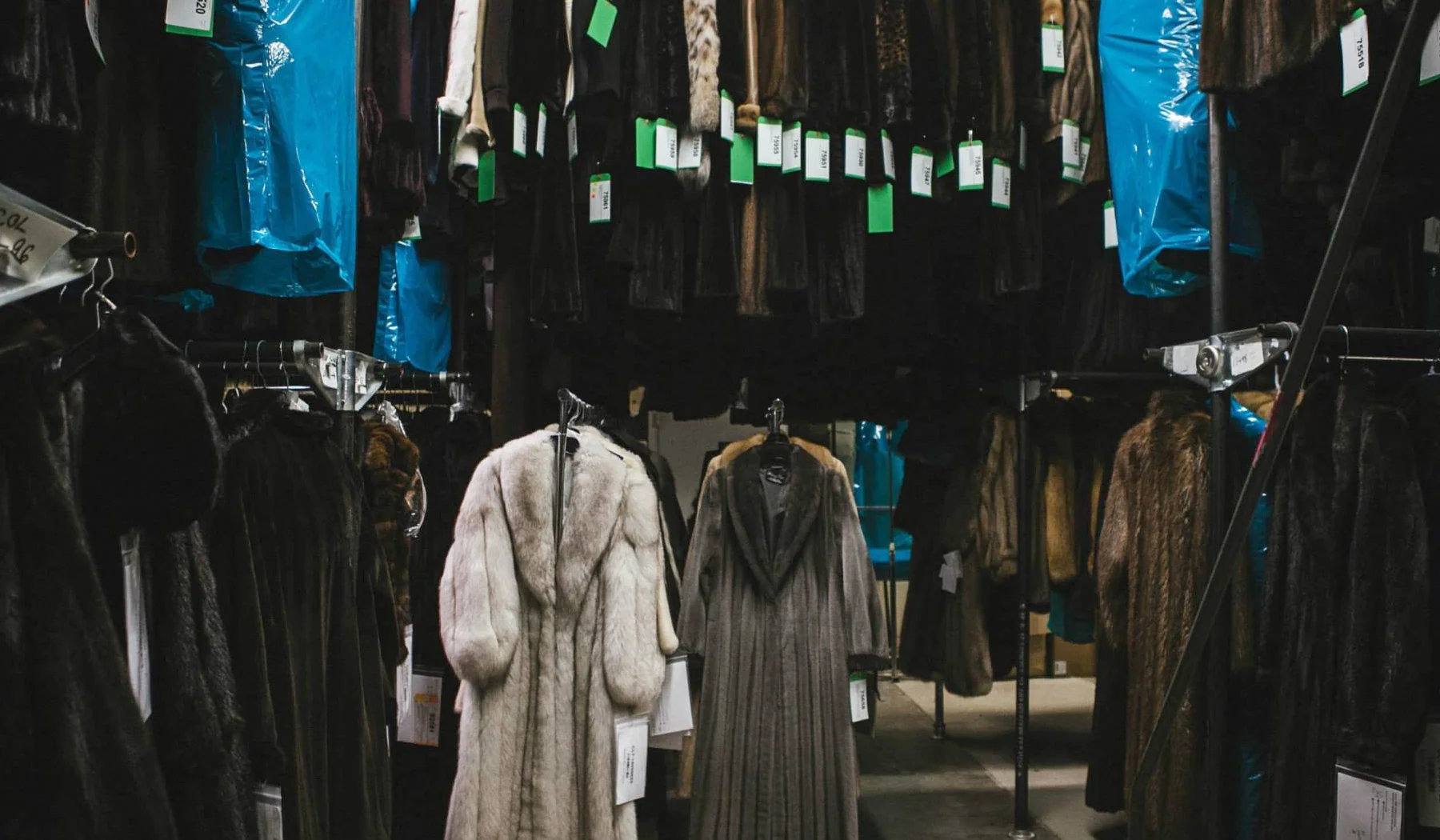
A fur collar, a shearling coat with fur trim, a pair of fur-trimmed gloves (that is, gloves with trim on top): in the United States, these are not just fashion choices with a fiber-content tag. They are fur products, and federal law tells sellers what has to appear on the label. The rule is the Fur Products Labeling Act and the regulations issued under it, known formally as the Rules and Regulations Under Fur Products Labeling Act.
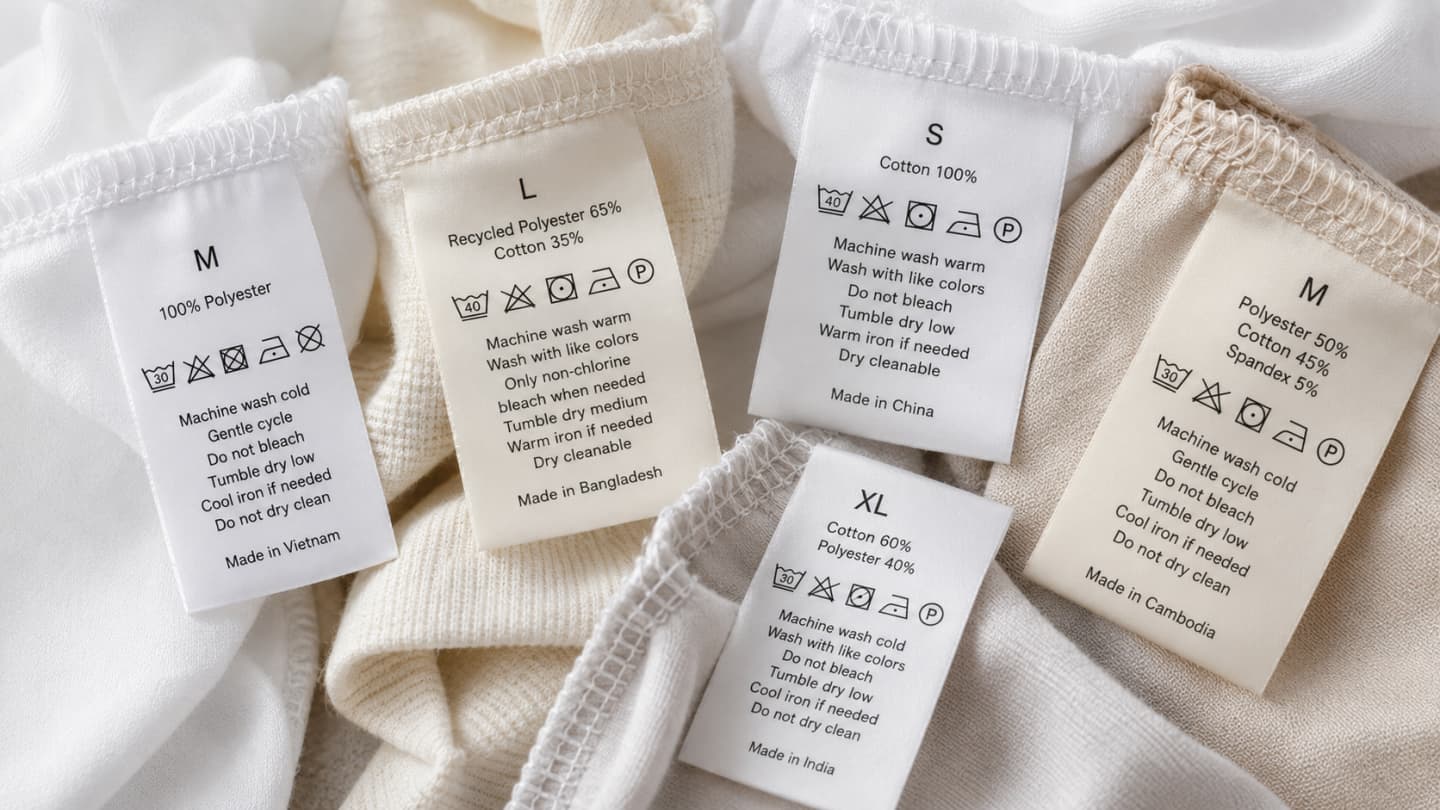
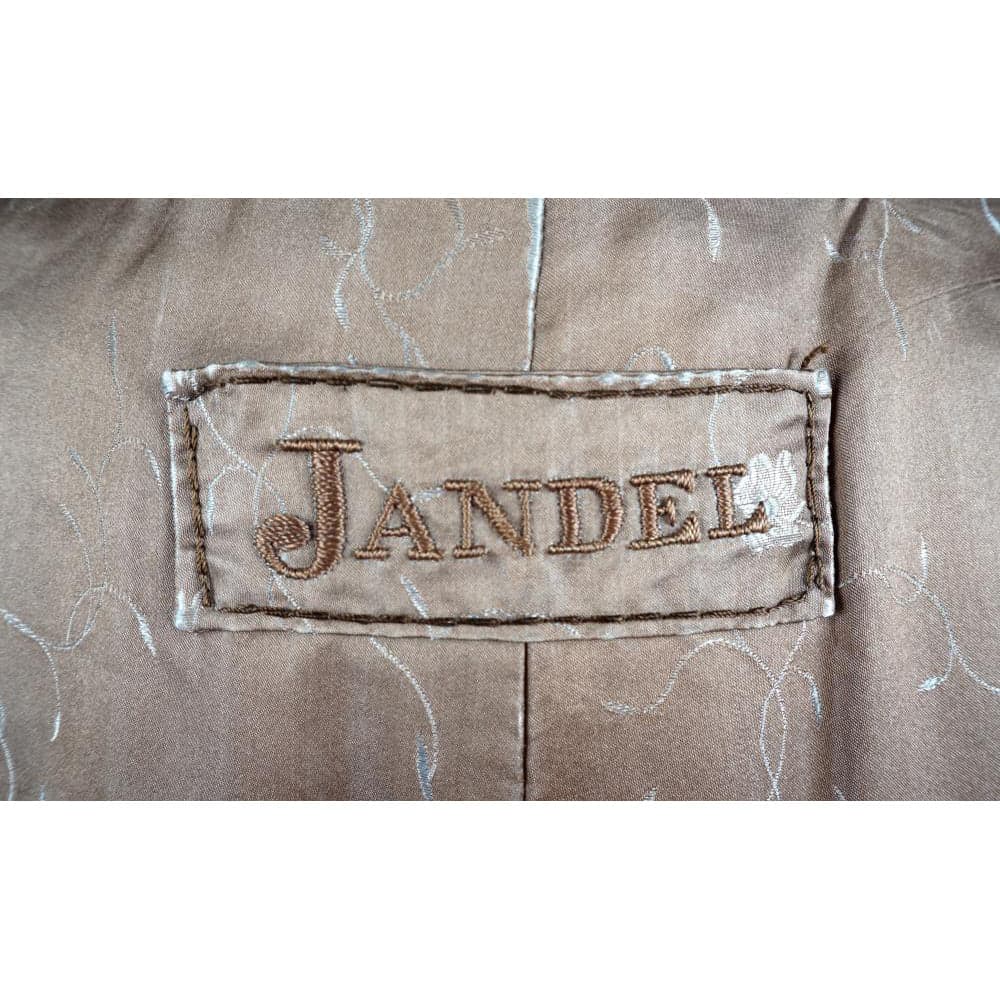
According to the FTC's rule summary, the rules aim to help consumers make informed buying decisions by requiring fur manufacturers and retailers to label fur products with certain information, such as the animal's name, the name of the manufacturer, and the garment's country of origin. For a shopper, that means the label should include such details as what animal the fur came from, who made the product, and where it originated — a set of examples, not the complete list of required items.
The legal basis
The two legal texts cited on the FTC's rule page are the Fur Products Labeling Act, 15 U.S.C. 69, and the Truth in Fur Labeling Act of 2010, Public Law 111-313. The FTC's rules sit at 16 CFR Part 301, and the page tags the rule under consumer protection for clothing and textiles.
The rulemaking and amendment history
The rules have been revisited over more than a decade of Federal Register activity. A final rule published on May 28, 2014 updated the Fur Products Name Guide and, per the notice's title, provided more labeling flexibility; the FTC approved the amendments that same month, on May 7, 2014.
The revision process ran earlier. An advanced notice of proposed rulemaking was published March 16, 2011, a public hearing was announced for November 22, 2011, and a supplemental notice of proposed rulemaking concerning changes to the Fur Rules' guaranty provisions followed on June 19, 2013. A further final rules package covering fur — alongside the wool and textile rules — was issued September 19, 2017.
Related guidance and enforcement policy
Sellers looking for compliance help can turn to the FTC's guidance titled How to Comply with the Fur Products Labeling Act, dated November 2014 — that is, predating the September 2017 final rules package. A separate enforcement policy statement, dated January 3, 2013, addresses retailers that directly import textile, wool, and fur products.
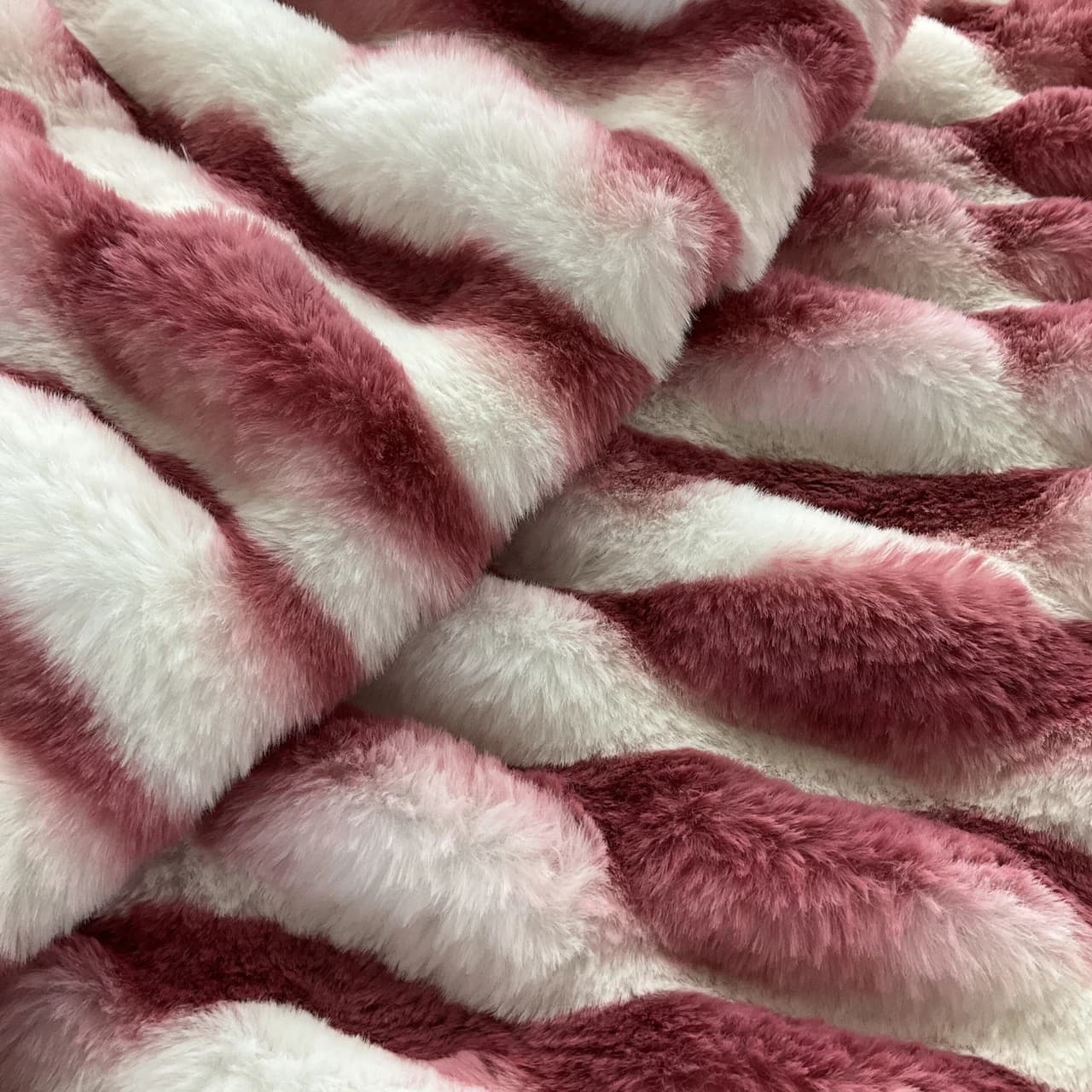
The FTC's page also lists items on imitation fur and on fur trim that once fell under a de minimis exemption. A guidance item from March 19, 2013 is titled "Faux claims for faux fur." In March 2011 the FTC announced an enforcement policy for fur products previously covered by its de minimis exemption: a March 14, 2011 policy statement is titled "FTC Enforcement Policy: Labels for Fur Products Previously Covered by the FTC's De Minimis Exemption," and a March 16, 2011 notice sought public comments and announced that policy. A May 2010 press release covers the FTC testifying on measures to protect consumers who want to avoid buying fur.
Where this rule applies
This is a US rule: it applies to fur products sold in the United States, enforced by the FTC. The textile and wool labeling rules — under the Wool Products Labeling Act of 1939 and the Textile Fiber Products Identification Act — are separate statutes, though the September 2017 final rules package covered them together with the fur rules. Labeling rules for fur in the EU and UK are separate legal topics under their own jurisdictions.
How to check this yourself
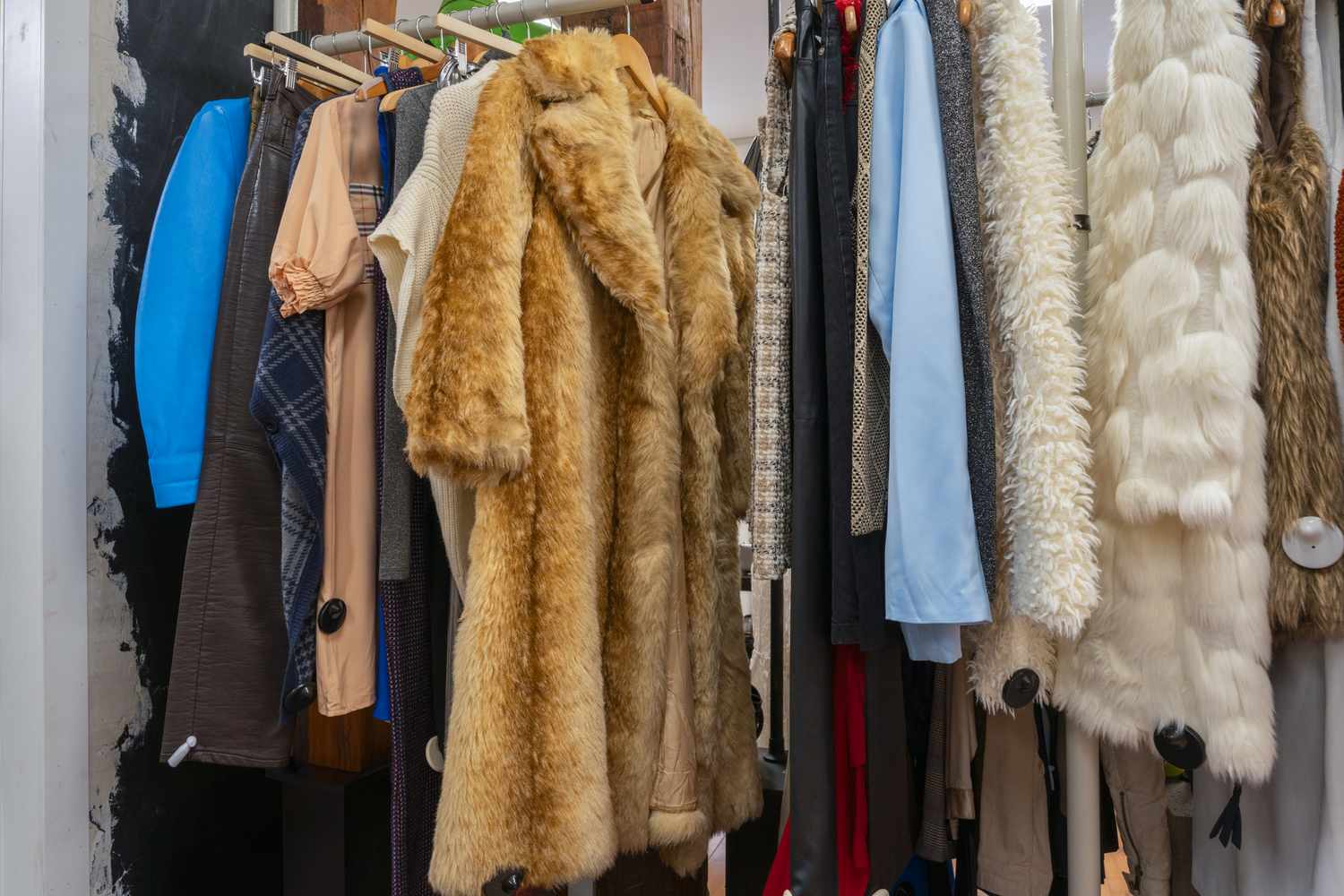
As a US consumer, look at the label on a fur garment in a store or a product listing and check for the information the FTC's summary describes as required, including such details as the animal's name, the name of the manufacturer, and the garment's country of origin. The FTC says manufacturers and retailers are the parties required to label fur products, so an online seller of fur-trimmed items falls under that description too. To verify the rule's current text and status, search the FTC Legal Library for "Fur Rules" and confirm the rule summary against 16 CFR Part 301 and the current How to Comply with the Fur Products Labeling Act guidance; rules can be amended, so check the latest Federal Register notices before relying on any detail of the label requirements.
From the source
Written from the pages listed above and checked by the editors. Spotted a mistake? Write to us: corrections keep the address and the first publication date.
Read next
More in LabelsLabels·What the rule saysUK··4 min
What the Rule Says (UK): The CMA Green Claims Code — What Environmental Claims on Clothes Must Be
In the UK, environmental claims on clothing fall under consumer protection law backed by the Competition and Markets Authority's Green Claims Code, published 20 September 2021, and a January 2026 supply-chain guidance. What the rules require, who in the supply chain is responsible, and how a shopper can check a claim.
How to Return Clothes to ASOS from the US: The 28-Day Window, Guest Fees, Final Sale Exclusions and Refund Timing
A step-by-step guide to returning an ASOS order from the US, as the retailer's customer-care pages state the rules: the 28-day return window from delivery, free tracked returns for account holders via UPS Ground, the $4.95 fee deducted from guest refunds, the no-exchanges refund policy, Final Sale exclusions, condition inspection, packing rules and refund timing. Per ASOS customer-care pages as read on 5 October 2026; policies change, so check the current page before ordering.
What Happens to the Textile Exchange Labels on Your Clothes: The Materials Matter Transition, Explained
Textile Exchange is consolidating its familiar material standards (RWS, RDS, GRS, OCS and others) into a single Materials Matter Standard. Here is the published timeline — criteria released December 12, 2025; effective December 31, 2026; mandatory for Tier 4 audits December 31, 2027; all claims and labels transitioned by June 30, 2029 — what the labels on hang tags must show in the meantime, and how to check a certified claim yourself.