Labels, Claims & Rights·What the rule saysUS
What US Law Requires on Clothing Labels: Fiber Content, Country of Origin and Dealer Identity Under the Textile and Wool Acts
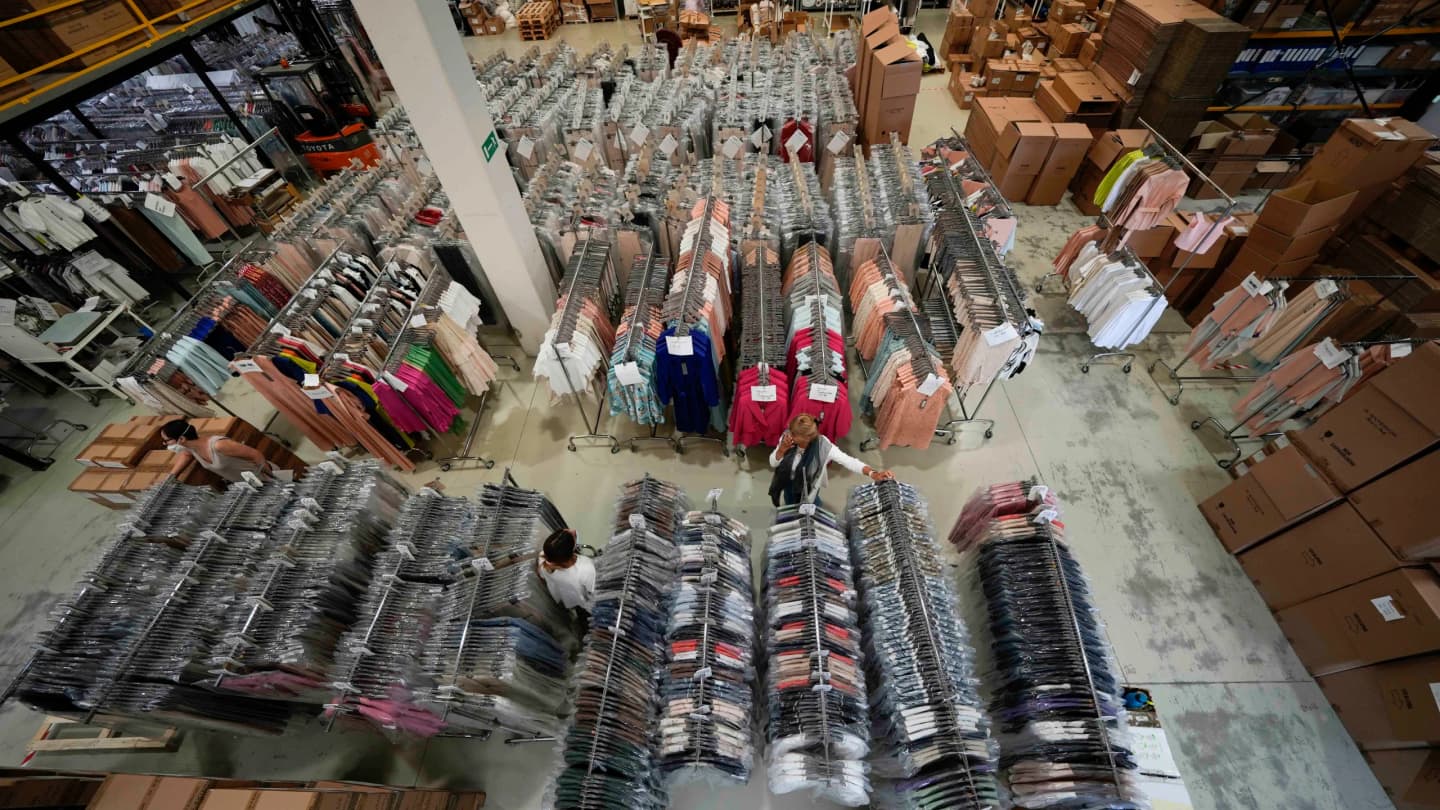
Under the US Textile and Wool Acts, most textile and wool products sold in the United States — per the FTC's guidance — must carry a label listing fiber content, country of origin and the manufacturer or dealer identity. This explainer walks through what the FTC requires, what the exceptions are, and how a shopper can check a label's claims.
Contents
- Fiber content: generic names and descending percentages
- When a fiber can't be determined: unknown fibers and remnants
- Content that must not mislead: the hang-tag rules
- Country of origin: where the "Made in" line goes
- The third element: who is responsible for the product
- Small print worth knowing
- How to check a label yourself
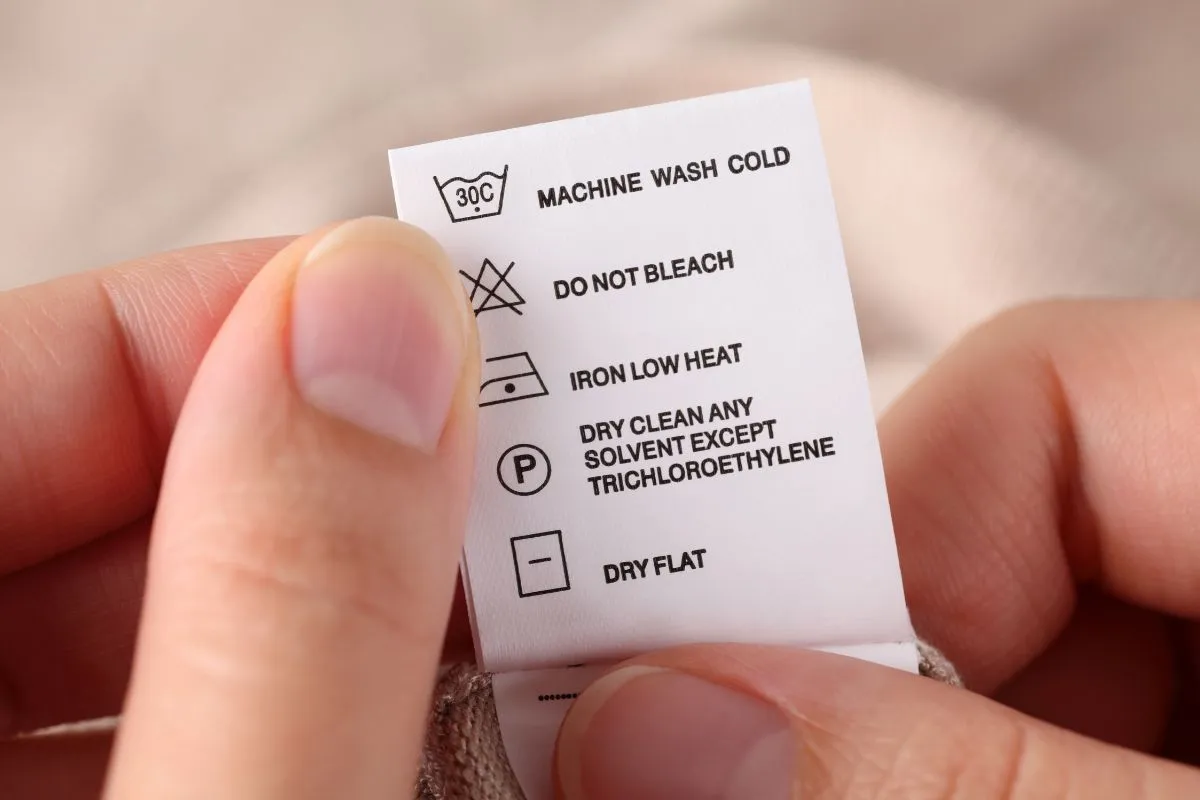
Most textile and wool products sold in the United States normally have to carry more than a care symbol: according to the FTC's business guidance on the Textile and Wool Acts (no publication date is stated on the page), federal labeling requirements enforced by the FTC require that most of these products have a label listing the fiber content, country of origin and identity of the manufacturer or another business responsible for marketing or handling the product. This comes from two statutes: the Textile Fiber Products Identification Act (15 U.S.C. § 70 et seq.) with its implementing rules at 16 C.F.R. Part 303, and the Wool Products Labeling Act with its rules at 16 C.F.R. Part 300.
The rules are business-facing, but they matter to buyers too: they explain why a US-market sweater/jumper carries a percentage breakdown and a "Made in" line, and they set limits on what a hang-tag can suggest about the fabric. Not everything is covered — the FTC's guidance lists exceptions including carpets, rugs or mats, which are covered by the Textile Act and Rules; upholsteries; and wool products made for export (footwear and other items are outside the scope of this article). Here is what the three required label elements mean and where the requirements stop.
Fiber content: generic names and descending percentages
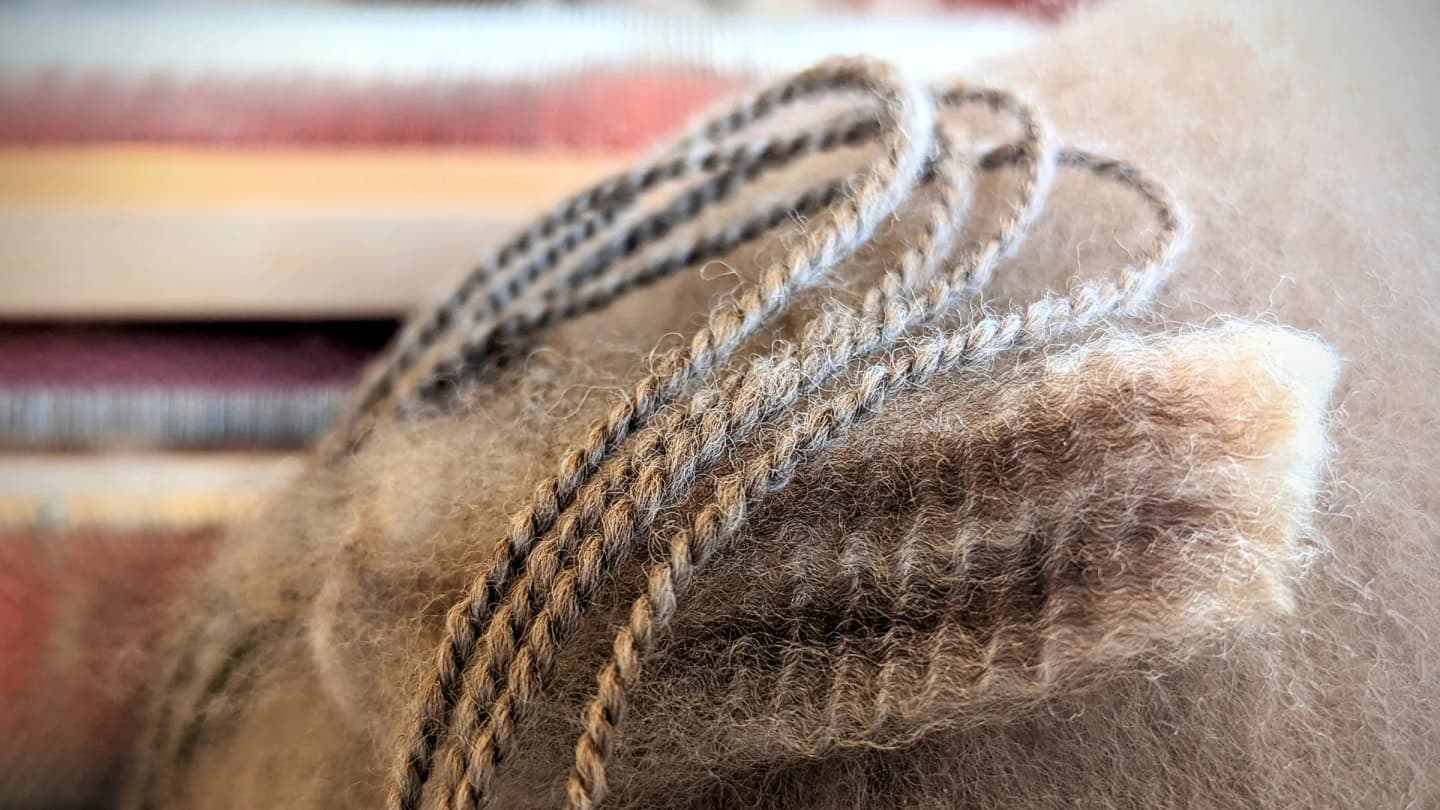
If a product is covered by the Textile or Wool Act and Rules, it must be labeled to show the fiber content. For products covered by the Textile Act and Rules, the generic fiber names and percentages by weight of each constituent fiber must be listed in descending order of predominance. The FTC's own example format is "65% rayon / 35% polyester." If the product is made from one fiber, the word "All" may stand in for "100%": the guidance gives "100% Wool" or "All Wool" as examples.
When a fiber can't be determined: unknown fibers and remnants
Not every textile has a knowable composition. The FTC allows a special disclosure when a textile product is made in whole or partly from scraps, clippings, rags, secondhand fibers or fabrics, or other textile waste materials of unknown fiber content that can't be determined. The examples the FTC gives include "Made of clippings of unknown fiber content," "100% unknown fibers — rags," and "75% Recycled Wool / 25% Unknown Reclaimed Fibers." But the allowance is conditional: if the maker knows or can determine the fiber content, a full content disclosure is required.
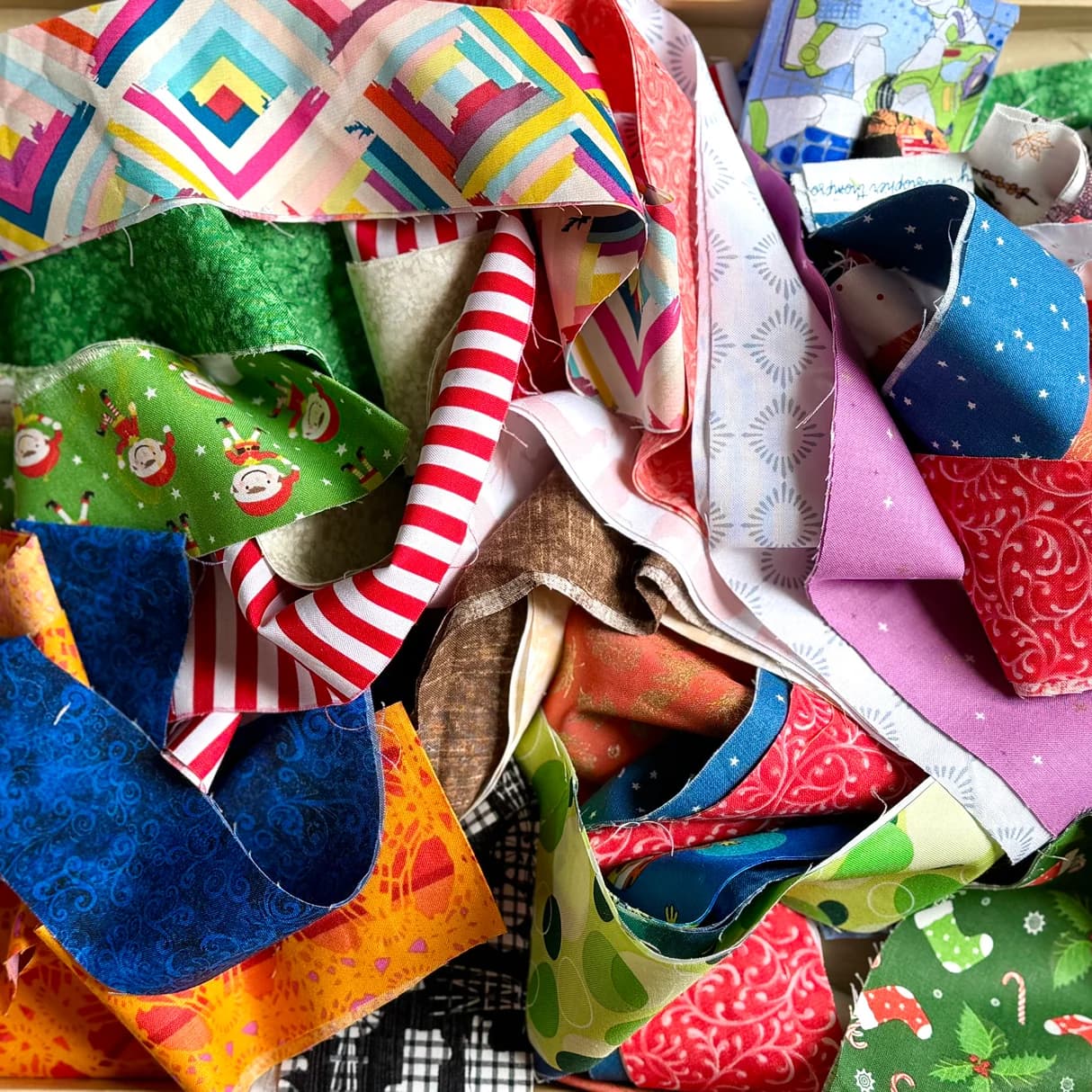
Remnants sold loose in a retail store are treated differently: they don't have to be labeled individually if a display sign states they are "remnants of unknown fiber content and origin," and remnants of known fiber need only a sign indicating the content — the FTC's examples are "remnants, 100% cotton" and "remnants, 50% rayon, 50% acetate."
Content that must not mislead: the hang-tag rules
Anything attached to the garment must not be false, deceptive or misleading against the required disclosure. A fiber trademark must not be used to indicate or imply that a product is made completely of a certain fiber if it isn't. The FTC's illustration: if a jacket's label discloses 3% cashmere, it would be misleading to attach a sleeve label reading "FINE CASHMERE BLEND" — unless the sleeve label is not misleading or deceptive and repeats the full fiber disclosure with percentages by weight.
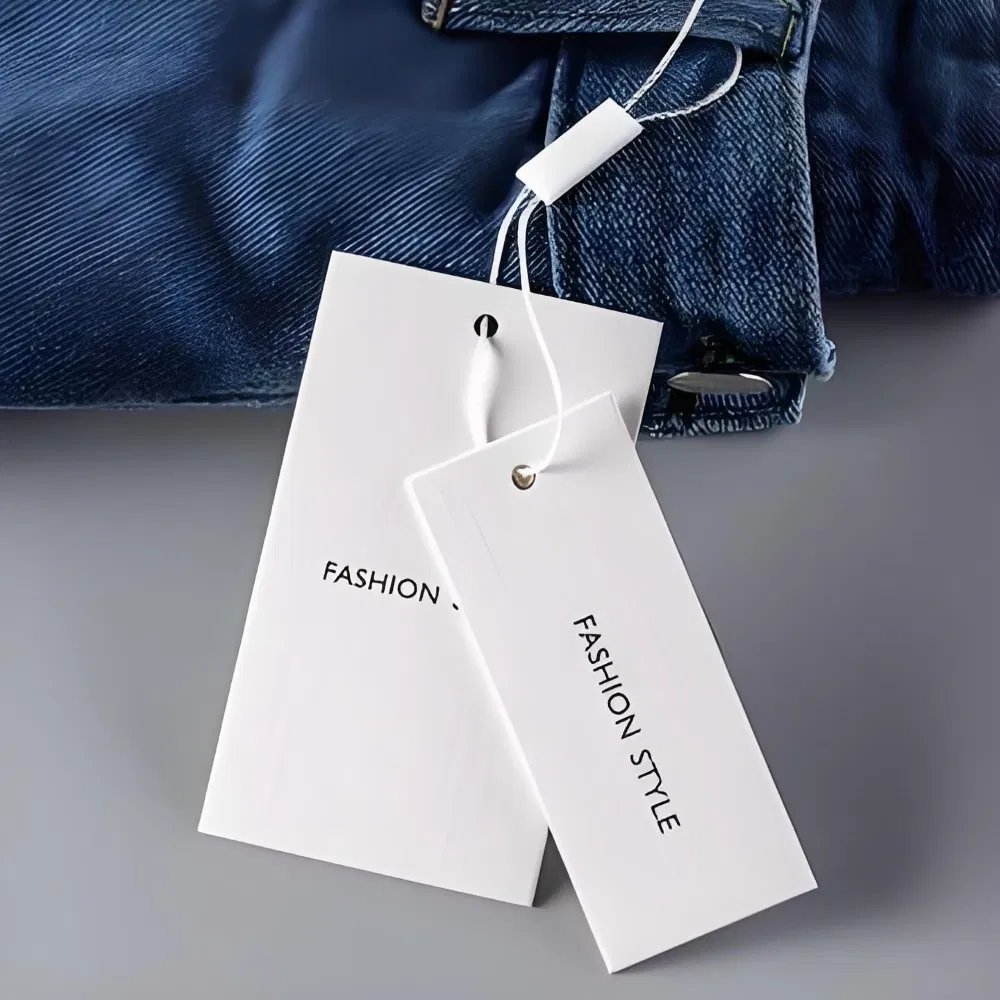
Partial hang-tags are permitted, but only within limits. If an item covered by the Textile or Wool Act and Rules has a label with the required fiber content statement, a hang-tag may identify and describe one or more fibers without a full content statement, provided the hang-tag makes clear that it doesn't provide the item's full fiber content — the FTC requires a disclosure like "This tag does not disclose the product's full fiber content." The Commission has also amended the Wool Rules to allow certain hang-tags identifying fibers without disclosing the item's full fiber content, if the item has a label providing the required fiber content information and the hang-tag tells the consumer to see that label.
Country of origin: where the "Made in" line goes
Products covered by the Textile and Wool Acts must be labeled to show their origin. Imported products must name the country where they were processed or manufactured. Products made entirely in the US of materials also made in the US must be labeled "Made in U.S.A." or an equivalent phrase; products made in the US of imported materials must be labeled to show the processing or manufacturing done in the US as well as the imported component. Separately from the FTC's rules, US Customs and Border Protection has its own country of origin labeling requirements, and Customs may require that the country of origin of imported goods be on a sewn-in label.
The placement rule is specific and easy to check on a garment: when a garment has a neck, a label disclosing the country of origin on its front must be attached to the inside center of the neck — midway between the shoulder seams or close to another label at that spot. The fiber content and manufacturer or dealer identity may appear on the front or back of that same label, or on another conspicuous and accessible label on the inside or outside of the garment.
The third element: who is responsible for the product
The third required label element identifies the manufacturer, importer or other dealer behind the product. The FTC's guidance describes two routes for businesses: using a company name directly, or using a Registered Identification Number (RN), which the Commission issues. So a sequence such as "RN 123456" on a neck label is this requirement fulfilled through the RN route, not a certification mark of quality.
Small print worth knowing
A few edge cases show the rules' practical limits. When textile products with the same fiber content are sold in pairs — like socks, mittens or gloves — or in sets like a suit, only one part of the pair or set needs to be labeled. Where members of a set have different fibers, one label may cover the lot but must separately identify the fiber content of the components: the FTC's example is a tablecloth at 100% cotton with napkins at 50% cotton, 50% polyester. The guidance also describes a tolerance mechanism for minor fiber content variations — but the tolerance will not apply if the label indicates that the product is entirely wool (for example, "100% Wool," "100% Cashmere," "All Wool" or "All Cashmere").
How to check a label yourself
These are checks you can run on any covered garment, based on the FTC's guidance:
- Read the fiber line first: for a covered textile product, the percentages should run in descending order by weight, with generic fiber names, not trademarked fabric names, doing the informational work. If the percentages seem reversed or absent, that's a flag worth asking the seller about.
- Compare the hang-tag with the sewn-in label: if the tag highlights one fiber without saying it doesn't show the full content, it may contradict the required disclosure (for example, hypothetically, a "SILK TOUCH" tag on a garment whose sewn label says 4% silk).
- Check the neck label on anything with a collar: the inside center of the neck is where the country of origin must sit, with fiber content and dealer identity allowed on the same label's front or back or on another conspicuous, accessible label.
- Decode the RN: if the dealer identity appears only as "RN" plus a number, that's the Registered Identification Number route the FTC's guidance describes — the company name is replaced, not the requirement.
- Treat percentages as regulated claims, not proof of quality: per the guidance, a "100% Cashmere" claim gets no tolerance for fiber content variation, so the label must state the actual fiber mix accurately.
To verify this yourself, compare a garment's own labels against the FTC's business guidance, "Threading Your Way Through the Labeling Requirements Under the Textile and Wool Acts" on ftc.gov, and against the current text of 16 C.F.R. Parts 303 and 300 in the eCFR, since pages and rules can be updated.
From the source
Written from the pages listed above and checked by the editors. Spotted a mistake? Write to us: corrections keep the address and the first publication date.
Read next
More in LabelsLabels·What the rule saysUK··5 min
What the Rule Says (UK): The CMA Undertakings From ASOS, Boohoo and George at Asda on Green Claims in Fashion
In March 2024 the UK's Competition and Markets Authority accepted formal undertakings from ASOS, Boohoo and George at Asda on how they label and promote environmental claims. Here is what the brands agreed to, the legal status of that agreement, and what shoppers can check for themselves.
Labels·What the rule saysEU··4 min
What the Rule Says: The EU Ban on Destroying Unsold Clothes, Shoes and Accessories from 19 July 2026
From 19 July 2026, EU rules under the Ecodesign for Sustainable Products Regulation prohibit large companies from destroying unsold apparel, clothing accessories and footwear, with medium-sized companies following in 2030 and small and micro-businesses exempt. Destruction remains permitted only in limited cases — unsafe or damaged items, counterfeits and intellectual-property infringements, or items rejected by charities — when companies provide proof and publish annual reports. National authorities enforce the ban with fines, and companies must keep records for five years. Here is what the rule covers, what it does not, and how to verify it.
Labels·What the rule saysEU··4 min
What the Rule Says: The EU Digital Product Passport for Textile Apparel — What the ESPR Requires and the Planned Timeline
A regulation explainer for clothes buyers: the EU Digital Product Passport, its legal basis in the Ecodesign Regulation (ESPR) (EU) 2024/1781, what a textile passport may contain under the draft framework, who the requirements cover, and the indicative timeline (planned textiles delegated act in Q4 2027). All textile-specific dates and content are still indicative, since the delegated act has not been adopted.