How Darn Tough Says to Prevent and Treat Blisters from Running Shoes (Sneakers/Trainers) and Hiking Boots
A brand-attributed guide to what sock maker Darn Tough says causes blisters — friction, pressure, moisture and heat — and its prevention and treatment advice for runners and hikers, from shoe fit and moisture-wicking socks to antiseptic and blister pads. All claims are the brand's own.
Watch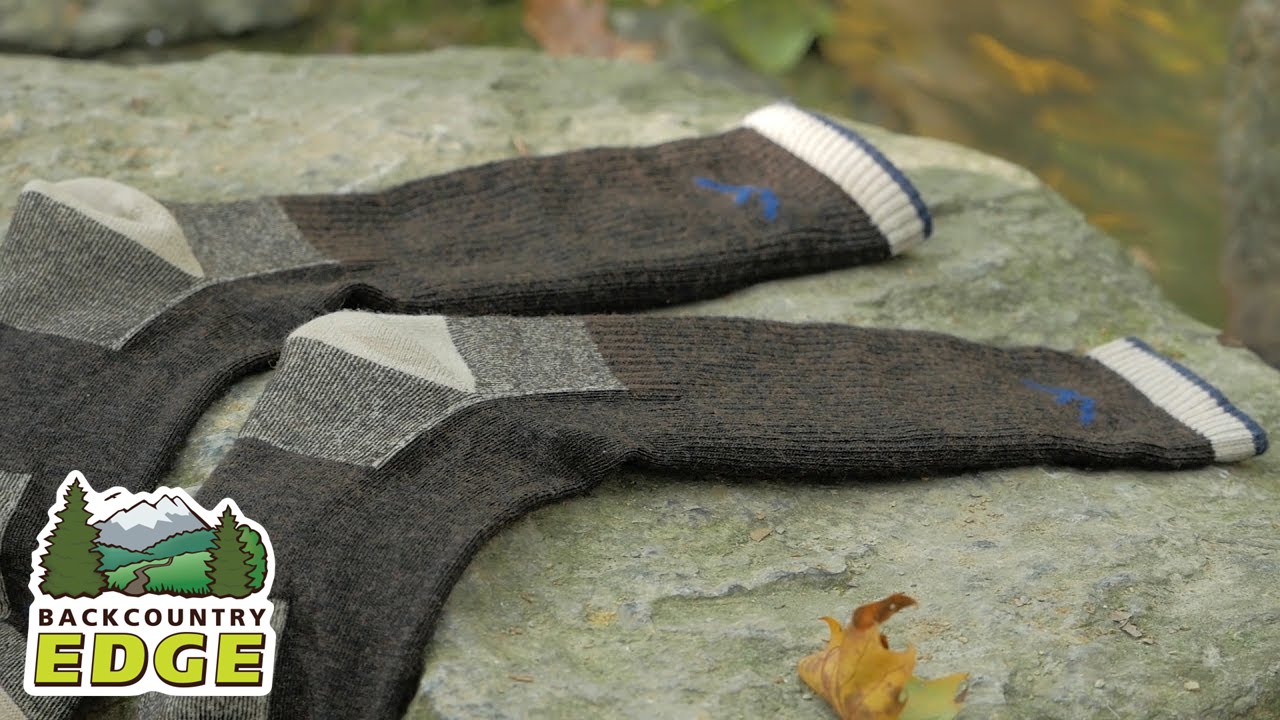 Darn Tough Hike-Trek Merino Wool Boot Full Cushion Sock
The recording belongs to Enwild, not to this publication, and it plays from YouTube: opening it lets YouTube see the request.Watch on YouTube instead.
Contents
Blisters are the kind of small problem that can end a long run or a day on the trail early. Sock maker Darn Tough publishes two how-to guides on its website — one on preventing blisters when running, one on preventing and treating them when hiking — and the advice on the two pages overlaps enough to be read together. Everything below is what the brand says, not an independent medical assessment; Darn Tough sells Merino Wool socks, so its performance claims about sock materials are the brand's own.
In both guides, the brand ties blisters to four factors. Its running guide puts it this way: blisters are "the unfortunate result of friction, heat, pressure, and moisture combining forces against your feet." The hiking guide calls these "the four main contributors to blisters," listing them as "friction, pressure, moisture, and heat," and notes that moisture alone isn't a direct cause but that it increases friction. The hiking guide also defines what a blister is, calling blisters "fluid-filled sacs on your skin" that are "your body trying to protect you from outside forces harming your skin."
Why Darn Tough Says Blisters Start
The brand names specific culprits for both activities. In its running guide, it says the first is "wearing shoes that don't fit right or haven't been broken in yet," followed by "the wrong socks" — "Cotton socks trap moisture, making your skin more prone to blistering" — plus dirty, sweaty feet and debris like "Rocks in your shoes or spoonfuls of sand between your toes." The hiking guide repeats several of these, listing shoes not broken in, poorly fitting socks that slip down and bunch up, non-hiking cotton socks, and debris kicked up into footwear as risk factors.
One framing from the hiking guide is worth keeping: footwear alone doesn't decide the outcome. "Boots and socks work together as a system. If one part fails, the whole setup suffers," the brand writes, adding that the right socks help manage moisture, reduce friction, and protect high-risk areas like the heel.
Prevention Steps the Brand Recommends
The two guides converge on a short list of prevention measures, all attributed to Darn Tough:
- Fit first. Running shoes should have a fit "not too tight, not too loose" — the brand's Goldilocks phrasing — and the running guide notes that "Specialty running stores can analyze your gait and provide professional recommendations for the best fit."
- Choose moisture-wicking socks. The brand advises opting for socks it says wick moisture and warns against cotton, which it says traps moisture and holds it like a sponge.
- Keep feet clean and dry. Both guides stress clean, dry feet, and the hiking guide says packing a spare pair of socks is worth the weight: "changing into dry socks can reset comfort and help protect your feet for the miles ahead."
- Change socks on long outings. For long runs or ultramarathons, the running guide suggests changing socks periodically, since "Fresh, dry socks can make a world of difference."
- Tend to hotspots right away. The running guide tells readers to "tend to any hotspots right away" rather than waiting for a blister to form.
- Consider sock height and cushioning. The brand says taller Micro Crew socks can protect against debris sneaking into shoes on trail runs, and suggests matching cushioning to shoe fit preferences.
- Break in new footwear gradually. The hiking guide says a 10-mile trip in new shoes is not recommended because you don't yet know how your feet and the shoes will get along.
What Darn Tough Says About Treating a Blister
For a blister after a race or hike, the two guides give similar but not identical steps. The running guide says: "After the race, clean the blister with antiseptic, and cover it with a sterile bandage to prevent infection," followed by letting it air out when not wearing shoes and avoiding popping it to reduce infection risk. The hiking guide, for a blister after a hike, says to clean the area, "cover it with blister pads or blister plasters to cushion the area," change into a clean, dry pair of socks — recommending Merino and again warning against cotton — and watch it over the next day or two, slowing down if pain or redness increases.
Techniques the Brand Says Don't Work
The hiking guide includes a section titled "Blister Prevention Techniques That Typically Don't Work." On toe socks, it reports: "To date, no clinical study has found toe socks to be effective at preventing blisters." The brand's own view is that if your toe box fits and your sock system is right, you won't need them, though it concedes toe socks "could be a stop-gap" if your setup isn't dialed — while noting that, like wearing two socks, they add material inside the toe box. The brand also mentions slippage issues with wearing two socks.
Keep in Mind
These pages are published by a sock company whose products — Merino Wool socks with what it calls seamless construction — the guides recommend throughout. The causes it lists (friction, pressure, moisture, heat) and the basic treatment steps (clean, cover, don't pop) are standard-sounding advice, but the sock recommendations are the vendor promoting its own category, and the brand references studies selectively, for example in its toe-sock section. Nothing here was tested by Seam & Sole, and none of it is medical advice.
To check this yourself, read both guides directly on darntough.com — "How to Prevent Blisters When Running" and "How to Prevent Blisters When Hiking" — and compare the prevention and treatment steps quoted above against the pages as they currently stand, since brand guides are updated and reworded over time. For treatment of a blister that looks infected or isn't healing, a doctor or pharmacist, not a sock brand, is the right source.
From the source
Written from the pages listed above and checked by the editors. Spotted a mistake? Write to us: corrections keep the address and the first publication date.
Read next
More in ShoesCemented, Fused and Goodyear-Welted Boots: What the Construction Terms Mean, According to KEEN Utility
KEEN Utility uses three construction methods across its work footwear: cement, a proprietary heat-and-pressure method it calls KEEN.FUSION, and Goodyear welt. Here is what the brand says each method is, the tradeoffs it describes between flexibility and durability, and how you can check a boot's construction yourself.
How to Replace a Birkenstock Footbed: Which Models Take One, and the Brand's Own Steps
Birkenstock sells replacement footbeds for selected slippers and professional clogs, and the brand's own page walks through a four-step swap. Here are the models it names, the steps as the company gives them, the shearling sizing caveat, and current UK prices (captured 12 September 2026) — plus where the official advice stops.
Red Wing's Care Routines for Oil-Tanned and Roughout Boots on Two Captured Product Pages, and What They Say About Resoling
On the two Red Wing product pages captured for this article, oil-tanned leather gets a three-step routine of cleaning, conditioning and protection, while roughout and nubuck leather gets eraser-bar cleaning and mostly no conditioner. Both boots are marked as resoleable, and both pages point to the brand's repair shop in Red Wing, Minnesota. Here is what those instructions say, what they cover, and how to check them against your own pair.