How to Replace a Birkenstock Footbed: Which Models Take One, and the Brand's Own Steps
Birkenstock sells replacement footbeds for selected slippers and professional clogs, and the brand's own page walks through a four-step swap. Here are the models it names, the steps as the company gives them, the shearling sizing caveat, and current UK prices (captured 12 September 2026) — plus where the official advice stops.
Contents
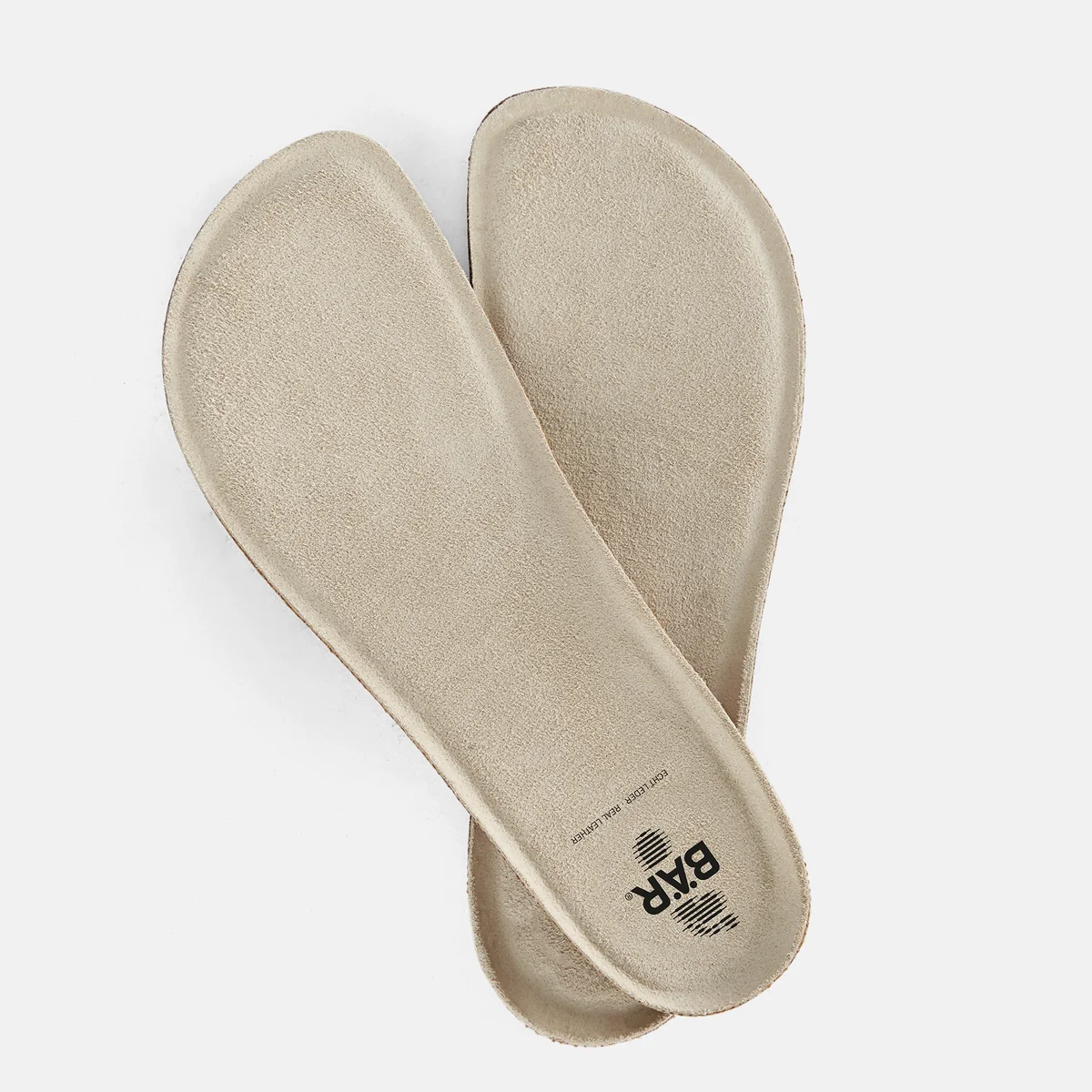
A worn-out footbed does not have to retire a favorite pair of Birkenstock clogs or slippers. On its UK replacement-footbed page, the brand states that "Many of our models feature replaceable footbeds, allowing you to extend the lifespan of your favourite shoes and slippers." The page also gives the swap procedure itself, in four steps, and pairs each replacement footbed with the models it is designed for.
This guide follows the brand's own instructions rather than any independent method, and it stays inside what that page covers: which footbeds fit which models, how to swap one in, and the prices listed on the UK shop on 12 September 2026, which can change. It does not cover resoling, cork sealing or strap repair, because the brand's replacement-footbed page does not address them.
Which models take a replacement footbed
Birkenstock's page splits the compatibility information into two groups. For slippers, the brand says its replacement footbeds "are suitable for the following models:"
- Zermatt
- Zermatt Shearling
- Zermatt Lea
- Zermatt Premium
- Zermatt Premium Shearling
- Lutry Premium
For professional footwear, the page matches specific footbeds to specific clog models. For the Super Birki, it offers a replacement footbed with a fabric lining or one with a fleece lining; for the Super Birki 2.0, Profi Birki 2.0 and Birki Air 2.0 it names the Replacement Footbed Cork Latex 2.0 or the Replacement Footbed PU 2.0; the Profi Birki gets its own specifically designed footbed; and the Replacement Footbed QO / QS for Men "are designed to fit all QS and QO models." The Replacement Standard Footbed Zermatt and Replacement Shearling Footbed Zermatt are the two slipper options the page names.
The shearling sizing caveat
One warning is worth reading before ordering the warm option. The brand notes: "the shearling footbed reduces the space in the slipper, so you may need to size up in your slippers for a fit that's snug without being restrictive." In other words, the cozy upgrade can change how your existing pair fits, and the fix the brand suggests is going up a size rather than forcing the footbed in.
The brand's four replacement steps
Birkenstock describes the process as simple and gives it in four steps, quoted here in order:
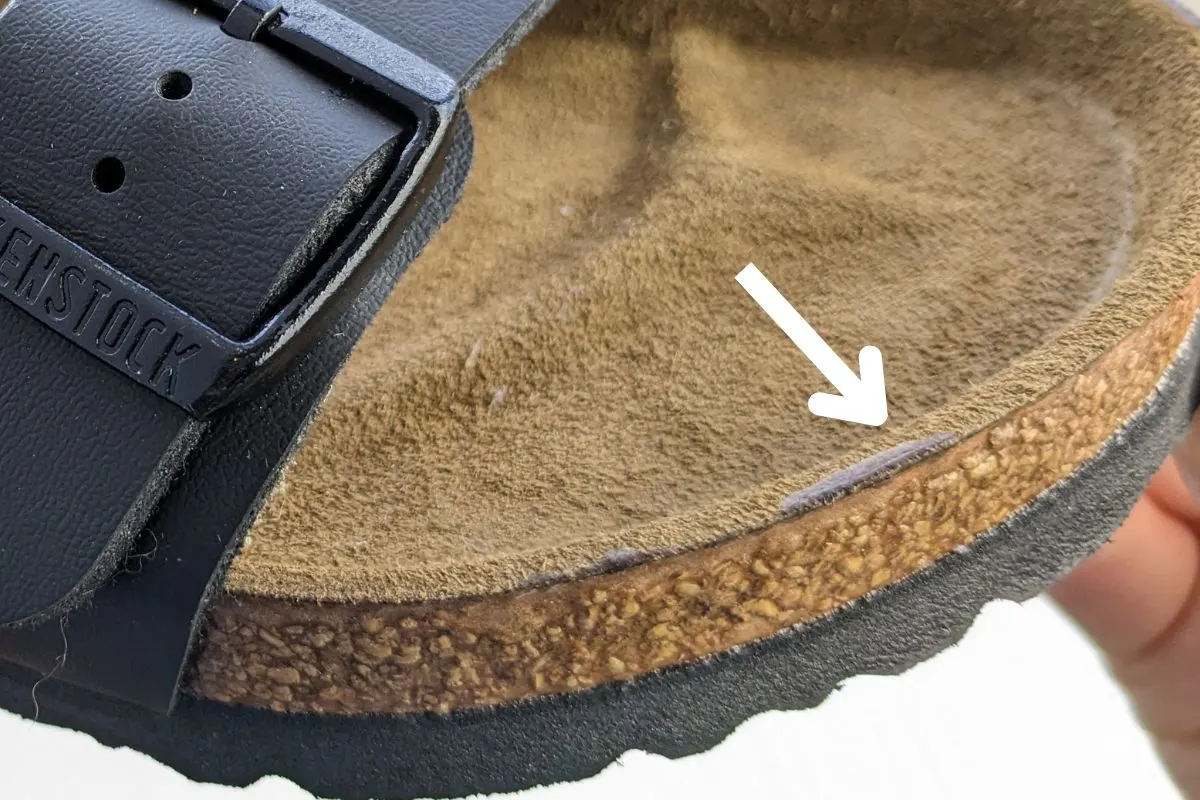
- "Remove the old footbed by gripping the footbed at the heel and pulling it out slowly."
- "Insert the new footbed, sliding it all the way to the front."
- "Once it's properly aligned with the shoe, push it down firmly to make sure it sits flat and secure."
- "Once the new footbed is in place, put on your shoes to check the new footbed fits comfortably. Adjust if necessary to ensure the footbed is in the right position."
The instructions end there. The page does not tell you what to do if the old footbed tears, if glue holds it in place, or how to deal with the sole or cork edge, so the official advice stops at a clean swap.
What the footbed is made of
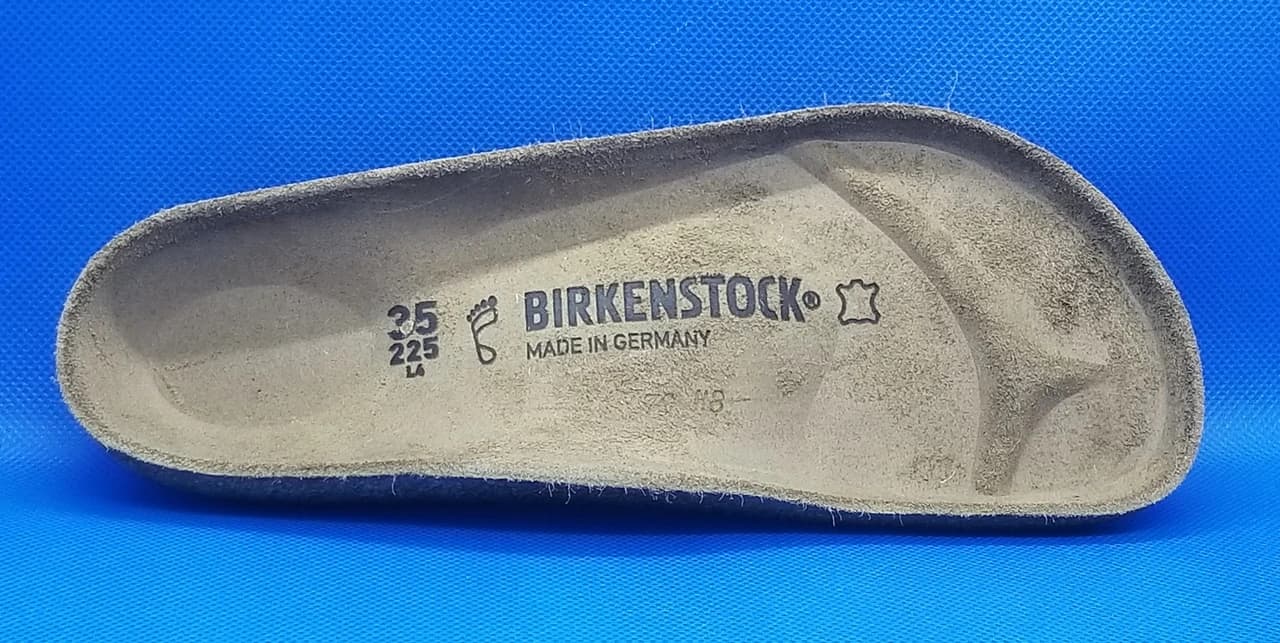
As background, the brand describes its footbeds as made "from high-quality materials including cork, latex, jute and suede," with anatomical contours the company says provide arch support, and a footbed that "gradually moulds to the shape of your foot, providing a custom fit that improves over time." These are the brand's own claims about its product, not independent measurements — but they explain why a fresh footbed, once bedded in, will not feel identical on day one.
UK prices, as listed on 12 September 2026
Among the replacement footbeds the page names for the models above, prices on the UK shop when it was read ran from £23.00 to £55.00: the Birki Air Anti-static, Profi-Super Birki and Super Birki replacement footbeds were £23.00 each; the Replacement Footbed QO / QS for Women and Men were £30.00 each; the Replacement Standard Footbed Zermatt was £30.00; standard replacement footbeds in other colors were £28.00 to £35.00; and the Replacement Shearling Footbed Zermatt was £55.00, the same price as the wool versions. The page also lists other items outside that range, such as a Recovery Pack Polyurethane White at £210.00 and insoles like the Blue Footbed for Sneakers at £50.00. These are shop listings, not guaranteed prices — check the current page before ordering.
To verify the result yourself: before buying, confirm your model against the compatibility lists above, and check the current price and availability on the Birkenstock UK replacement-footbed page, since listings and prices change. After the swap, the brand's own fourth step is the check — put the shoes on and confirm the footbed fits comfortably, adjusting if necessary.
From the source
Written from the pages listed above and checked by the editors. Spotted a mistake? Write to us: corrections keep the address and the first publication date.
Read next
More in ShoesShoes·Brand program··5 min
Red Wing Boot Warranties and the 30-Day Comfort Guarantee: What Each Brand Line Covers, Excludes and Requires
Red Wing's warranty page sets out two separate protections: a 30-day unconditional comfort guarantee for Red Wing branded work footwear only, and limited warranties against defects in workmanship and materials for Red Wing, Red Wing Heritage, Irish Setter Work, Irish Setter Hunt, Vasque and WORX, with different durations and exclusions. Here is what the terms say, what they exclude, and how to make a claim, according to Red Wing's own pages as read on October 13, 2026.
How BIRKENSTOCK Says Its Shoes Are Made: German Production, Portuguese Workshops, and Materials — As the Brand States Them
This explainer assembles BIRKENSTOCK's own statements about how its sandals and closed shoes are made and which materials they use. Every claim here comes from the brand's marketing pages, which are undated, and none of it is independently verified. The article explains what the brand describes, what the statements do and do not cover, and how you can check the details against the product pages for a specific pair.
How Darn Tough Says to Prevent and Treat Blisters from Running Shoes (Sneakers/Trainers) and Hiking Boots
A brand-attributed guide to what sock maker Darn Tough says causes blisters — friction, pressure, moisture and heat — and its prevention and treatment advice for runners and hikers, from shoe fit and moisture-wicking socks to antiseptic and blister pads. All claims are the brand's own.