How BIRKENSTOCK Says Its Shoes Are Made: German Production, Portuguese Workshops, and Materials — As the Brand States Them
This explainer assembles BIRKENSTOCK's own statements about how its sandals and closed shoes are made and which materials they use. Every claim here comes from the brand's marketing pages, which are undated, and none of it is independently verified. The article explains what the brand describes, what the statements do and do not cover, and how you can check the details against the product pages for a specific pair.
Contents
BIRKENSTOCK describes its manufacturing in its own words on two marketing pages: a US "About our Brand" page and the German homepage. According to that copy, sandals are produced in Germany in the company's own facilities with extensive handwork, while closed shoes — the sneakers/trainers, lace-up shoes and clogs of the kind often worn as house shoes — are made in workshops in Portugal. This article reports those statements as the brand's claims; we have not tested, measured, or independently verified any of them, and the pages in question are undated promotional copy.
Treat each detail below as BIRKENSTOCK's description of its own production, not as an outside measurement. Marketing language like "premium quality" or "highest quality standards" is the brand's self-characterization, and a matching quotation is not proof of a fact. That said, the pages do give concrete, checkable specifics — locations of production, counts of work steps, and named raw materials — which are worth reading closely.
Sandal production in Germany: 17 work steps, per the brand
BIRKENSTOCK's US brand page states: "we manufacture our products in Germany under the best conditions for our brand in our own production facilities with an extensive amount of handwork. Every sandal undergoes 17 work steps." The same page says the company sees itself as the inventor of the footbed and traces a shoemaking tradition back to 1774: "Since 1774, we've been thinking of ways we – the inventor of the footbed – can make the lives of our customers better and richer." The page also frames this in-house German production against mass production it criticizes elsewhere, which is a marketing argument rather than a technical fact.
Closed shoes in Portugal: hand movements and workshops
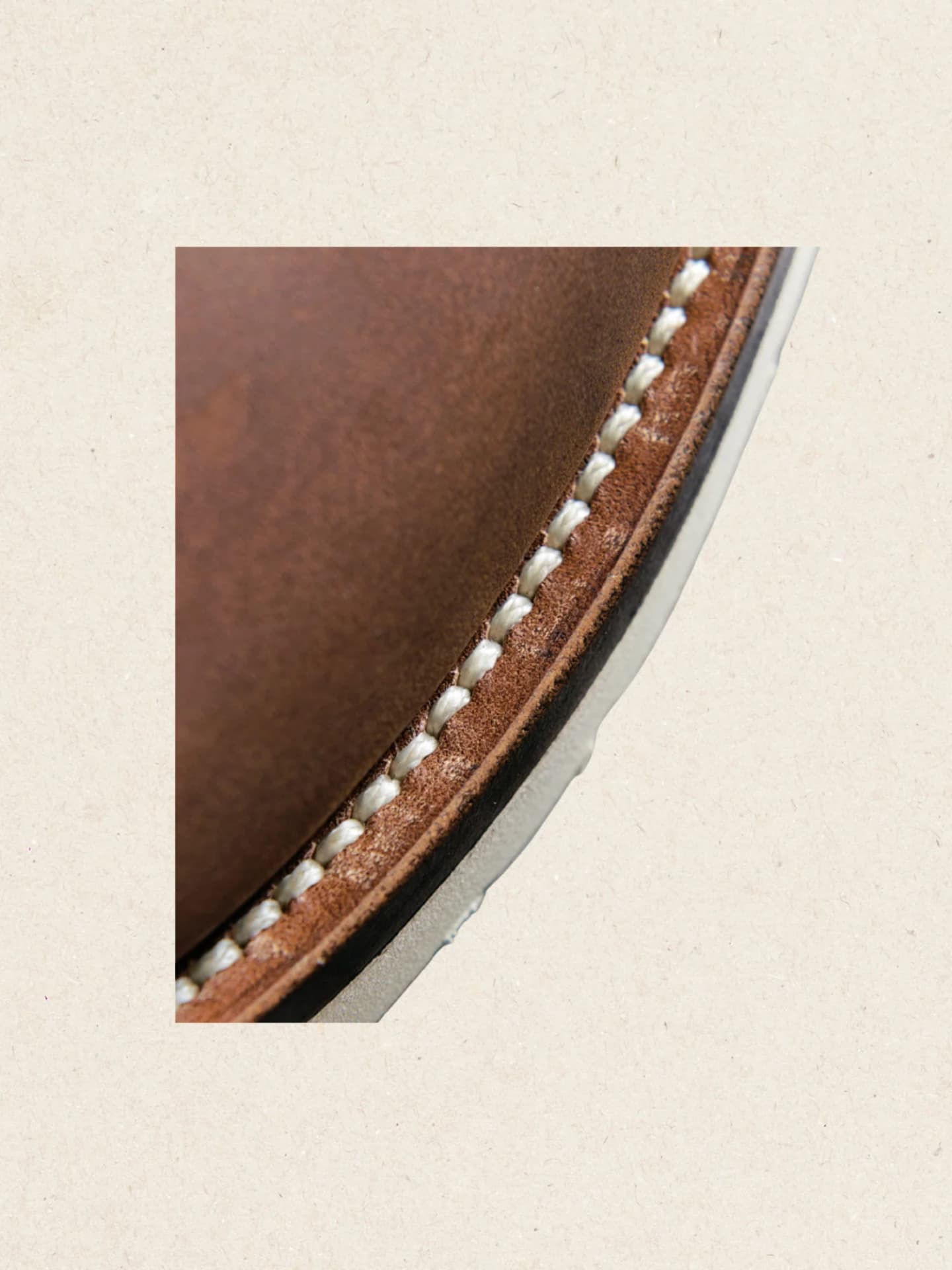
For closed models — the category that includes clogs and lace-up shoes — the brand says the work moves to another country and relies heavily on hand skill: "It takes well over 100 highly skilled hand movements to make the completed product for our closed BIRKENSTOCK models. Closed shoes are made in workshops in Portugal in accordance with the principles of a centuries-old tradition of hand craftsmanship." The brand names only Portugal; no workshop names or locations beyond the country appear in its copy.
Materials the brand names — and its sourcing statement
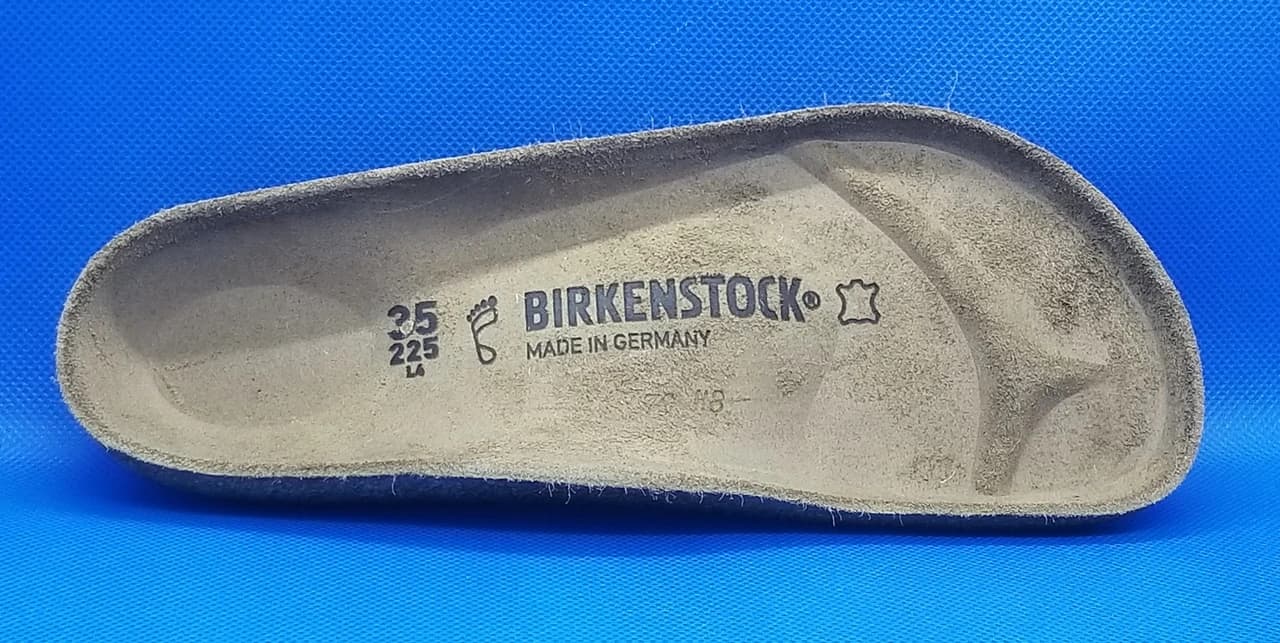
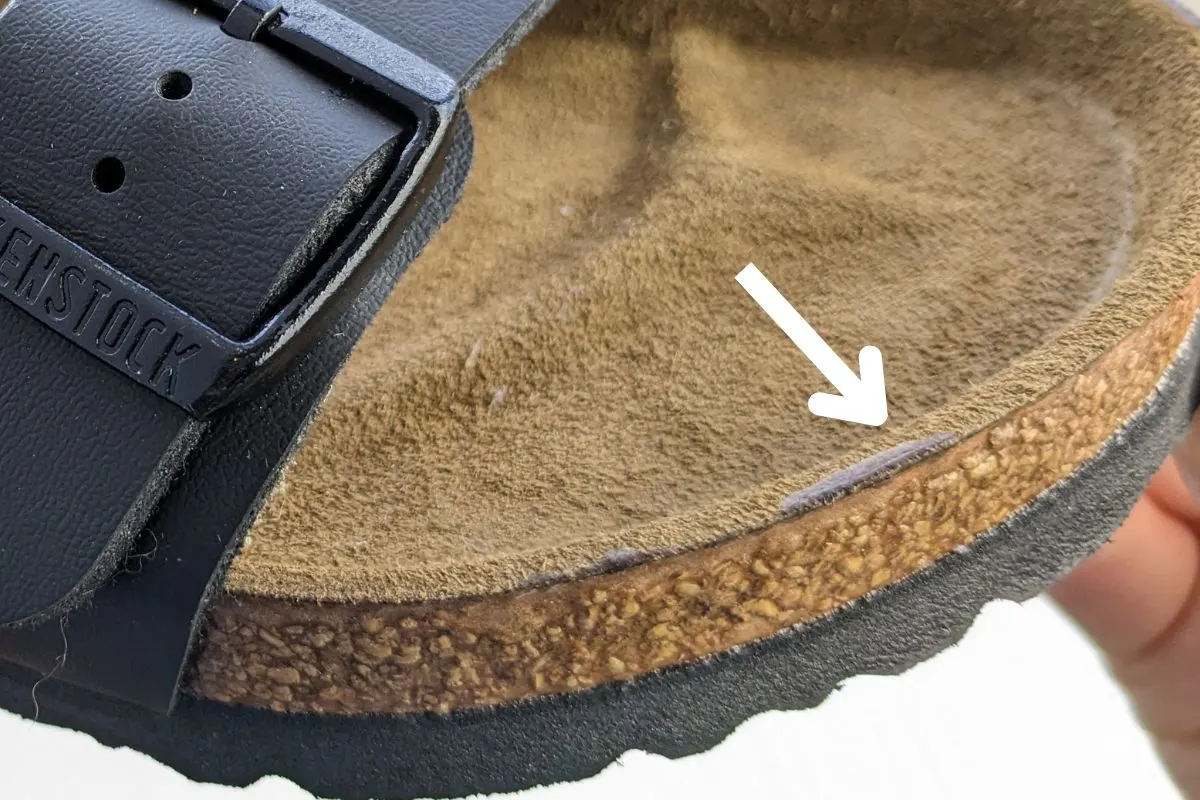
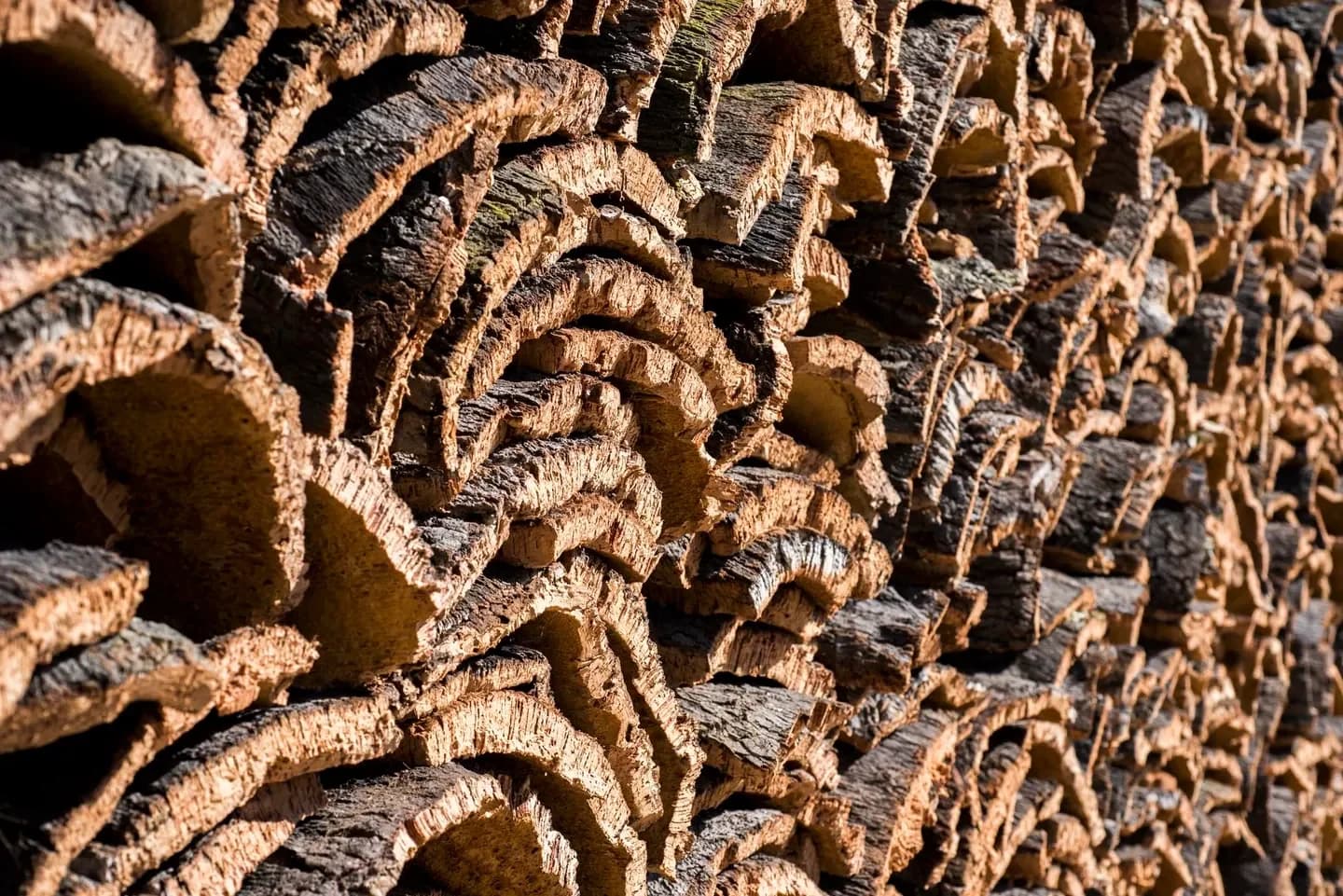
The US page lists the raw materials the brand says it uses: "cork, natural latex, copper, brass, wool felt and the best leather." On sourcing, the brand states: "Our raw materials come from sustainable natural resources. Where possible, we source these materials in Europe." The phrase "where possible" is a qualifier from the brand itself — it does not claim European sourcing for every input on every product. The German homepage similarly describes materials as "responsibly sourced," naming "natural leather, suede, jute, and cork." These are brand descriptions of sourcing policy, not certifications, and they are not tied to any named standard or certification regime.
The 95% figure: a percentage worth questioning
The German homepage carries a specific number: "95% of all our products are made in Germany." This sits alongside, and slightly complicates, the Portugal statement — the brand says in one place that most production is German and in another that some closed shoes come from Portugal. As with the rest, this is marketing copy of unknown date, read on 10 October 2026, and a percentage without a stated reference period or product scope. If the distinction matters for your purchase, verify it against the product page for the specific model.
What you can and cannot check in the brand's statements
Read these pages as the brand's account of its process, and keep the checkable facts separate from the self-description:
- Production locations and handwork are described in general terms; the brand names no specific workshops beyond Germany and Portugal.
- The "sustainable natural resources" and "responsibly sourced" phrasing is the brand's characterization, not a named certification or third-party audit.
- The work-step and hand-movement counts are the brand's own figures, undated and without a defined scope.
- The quality claim — that the brand's products "meet the highest quality standards in the shoe industry anywhere in the world" — is marketing language, verifiable by no measurement on the page.
- Both pages are undated, so their last revision cannot be dated.
A practical habit for reading any brand's manufacturing page is to separate checkable facts from characterization. Country of production, named materials, and counts are the checkable kind; "premium," "best conditions," and "quality standards" are self-description. A brand statement attributed to the brand is legitimate information — it just needs its label.
To check these details yourself: open the product page for the specific model you are considering and read the material and origin lines printed there, since individual products can differ from a brand-wide claim. Compare the brand's "About our Brand" page and its materials pages, such as "From cork to sandal," for the fuller production description. If a particular claim — for example, where a given pair was made — matters to your decision, look for the per-product statement rather than relying on the general marketing copy, because brand-wide pages can lag behind changes in a product line.
From the source
Written from the pages listed above and checked by the editors. Spotted a mistake? Write to us: corrections keep the address and the first publication date.
Read next
More in ShoesHow Darn Tough Says to Prevent and Treat Blisters from Running Shoes (Sneakers/Trainers) and Hiking Boots
A brand-attributed guide to what sock maker Darn Tough says causes blisters — friction, pressure, moisture and heat — and its prevention and treatment advice for runners and hikers, from shoe fit and moisture-wicking socks to antiseptic and blister pads. All claims are the brand's own.
Cemented, Fused and Goodyear-Welted Boots: What the Construction Terms Mean, According to KEEN Utility
KEEN Utility uses three construction methods across its work footwear: cement, a proprietary heat-and-pressure method it calls KEEN.FUSION, and Goodyear welt. Here is what the brand says each method is, the tradeoffs it describes between flexibility and durability, and how you can check a boot's construction yourself.
How to Replace a Birkenstock Footbed: Which Models Take One, and the Brand's Own Steps
Birkenstock sells replacement footbeds for selected slippers and professional clogs, and the brand's own page walks through a four-step swap. Here are the models it names, the steps as the company gives them, the shearling sizing caveat, and current UK prices (captured 12 September 2026) — plus where the official advice stops.