Dark Denim Dye Transfer: What Levi's Says Causes It, How to Prevent It, and Why the Brand Says No Refunds Are Offered
Dark-wash, black and raw denim can leave blue marks on lighter fabrics and surfaces. According to Levi's help-center guidance, dye transfer is a normal characteristic of heavily dyed denim rather than a defect, and the brand says it does not offer refunds or replacements for it. Here is what the brand advises: washing jeans before the first wear, cold-water washes inside out, dark-only loads, air drying, and prompt cleaning if a mark appears.
Watch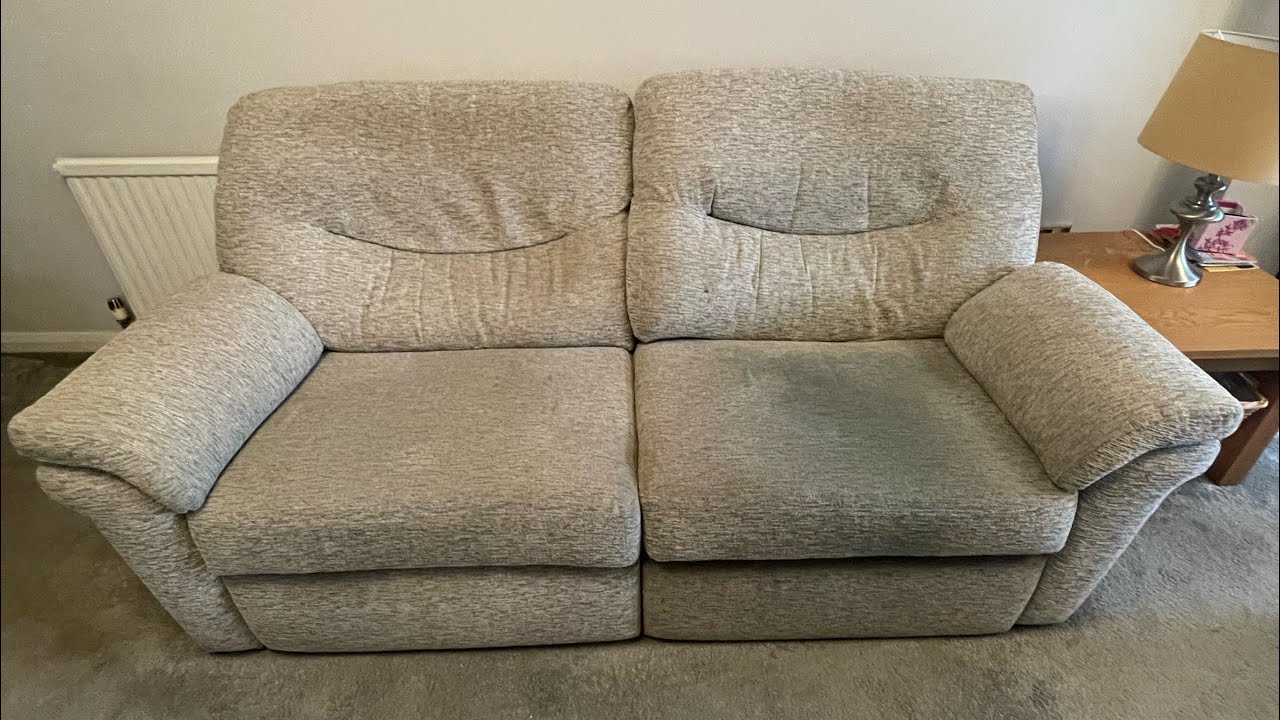 Successfully removing Jean dye transfer from a sofa and flushing urine and poo
The recording belongs to Sharp Solutions, not to this publication, and it plays from YouTube: opening it lets YouTube see the request.Watch on YouTube instead.
Contents
New dark jeans can leave more than an impression. Dark-wash, black and raw denim carry a large amount of dye, and some of it can rub off onto surfaces such as white sneakers/trainers, a pale bag, a light sofa or a car seat. Levi's calls this dye transfer and defines it plainly: "Dye transfer occurs when excess dye from dark-wash, black, or raw denim rubs onto other fabrics or surfaces."
The important part for anyone hoping to return marked-up jeans or claim for a stained jacket is what Levi's says this is not. According to the brand's help center, "This is a normal characteristic of heavily dyed denim, especially when the garment is new, and does not indicate a product defect." That framing underpins the brand's policy on refunds, which this article explains below alongside the prevention steps Levi's recommends.
What Levi's Says Causes Dye Transfer and Where It Shows Up
Levi's attributes dye transfer to excess dye in heavily dyed denim and notes that the characteristic is especially evident when the garment is new. The brand also advises: "Use extra caution when denim becomes wet." The brand does not explain why damp denim calls for more care, only that it does. On the receiving end, Levi's lists the items most commonly affected: light-colored clothing, white or light-colored shoes, bags and purses, upholstered furniture, and vehicle seats. In other words, the brand's guidance treats dye transfer as a two-sided problem: the denim sheds dye, and the light-colored surfaces it names pick it up.
The Prevention Steps Levi's Recommends
Levi's frames its prevention advice as ways to minimize dye transfer rather than guarantee to prevent it, and it notes that the problem typically fades: "Dye transfer typically decreases over time with regular washing and wear." The steps the brand lists, as given in its help center, are:
- Wash your jeans before the first wear
- Wash inside out using cold water
- Wash with other dark-colored items
- Use detergent designed for dark fabrics
- Air dry whenever possible
- Avoid pairing new dark denim with light-colored clothing, shoes, bags, or upholstery
- Use extra caution when denim becomes wet
Most of these are standard dark-fabric laundry practice, but two deserve attention. Washing before the first wear is the brand's first listed step, and it is the one that happens before the jeans meet anything light-colored. The caution about wet denim matters enough to Levi's that it appears both in the prevention list and as a general warning. For the first wear, the practical takeaway from Levi's list is simple: until the jeans have been washed a few times, keep them away from white sneakers/trainers, pale upholstery and light car seats.
What to Do If Dye Transfer Happens
Levi's advice here is urgency: "Prompt cleaning gives the best chance of removing transferred dye." The brand then splits the response by surface. For clothing, wash the affected item as soon as possible. For shoes or bags, clean them with a cleaner appropriate for the material. For furniture and other surfaces, Levi's directs readers to follow the manufacturer's care instructions. That last point is worth underlining: furniture and car upholstery are exactly the surfaces where the wrong cleaner can set a stain or damage the material, so the brand's guidance defers to whoever made the item rather than prescribing a method.
Levi's Policy on Refunds and Replacements
This is where Levi's closes the door. Asked whether the brand offers refunds or replacements for dye transfer, the help center answers "No," and explains the reasoning: "Dye transfer is a natural characteristic of dark and raw denim and is not considered a manufacturing defect." The policy extends beyond the jeans themselves: "Because dye transfer is expected, Levi's® does not offer refunds, replacements, cleaning reimbursement, or compensation for items affected by dye transfer, including clothing, footwear, accessories, furniture, vehicle upholstery, or related cleaning expenses."
Read together, the message is that the brand considers dye transfer an expected property of the product, not a fault in it. For a shopper, the practical consequence is narrow but firm: for dye transfer specifically, Levi's states it offers no refunds, replacements or compensation, so once a white bag picks up an indigo shadow, the brand's stated position is that the cost of dealing with it falls on the owner.
To check the current wording yourself, look up the article "Dark denim and dye transfer" in Levi's Product Care section of its customer-service help center; help pages are updated over time, so verify the prevention steps and the refund policy against the page as it stands when you read it, and compare it with the brand's return and warranty policy pages before relying on either.
From the source
Written from the pages listed above and checked by the editors. Spotted a mistake? Write to us: corrections keep the address and the first publication date.
Read next
More in CareHow to Restore Durable Water Repellent (DWR) on a Waterproof Jacket: Gore's Official Steps, and What DWR Does Not Do
When a waterproof jacket stops shedding rain, the problem is usually not the membrane but a worn-out durable water repellent (DWR) — the thin coating on the outer fabric. This explainer walks through Gore's own care sequence for GORE-TEX outerwear: washing warm with liquid detergent, reactivating the factory DWR with heat, and re-applying a spray-on or wash-in treatment when beading fails — plus the SHAKEDRY exception and why a tired DWR does not make a jacket leak.
Care·Brand program··4 min
Nudie Jeans Free Repair Program: Who Qualifies, Where You Can Go, and the Limits — According to the Brand's Own Help Center
Nudie Jeans says it will repair its jeans for free, as many times as needed, no matter when or where they were bought — but only its own jeans, only freshly washed, and in person at brand shops and partners, with a repair-kit workaround for c/o members. Here is what the brand's help center says about eligibility, kits, trade-ins and the no-mail-in rule.
How to Wash and Re-Waterproof a Jacket: Patagonia's Own Steps for DWR Care, and Where the Brand's Advice Stops
Patagonia's care guides lay out when to wash a waterproof jacket, which detergent to pick, how low-heat drying revives the DWR finish, and when to re-proof — plus the waxed-cotton exception. A guide to the brand's stated steps and their limits.