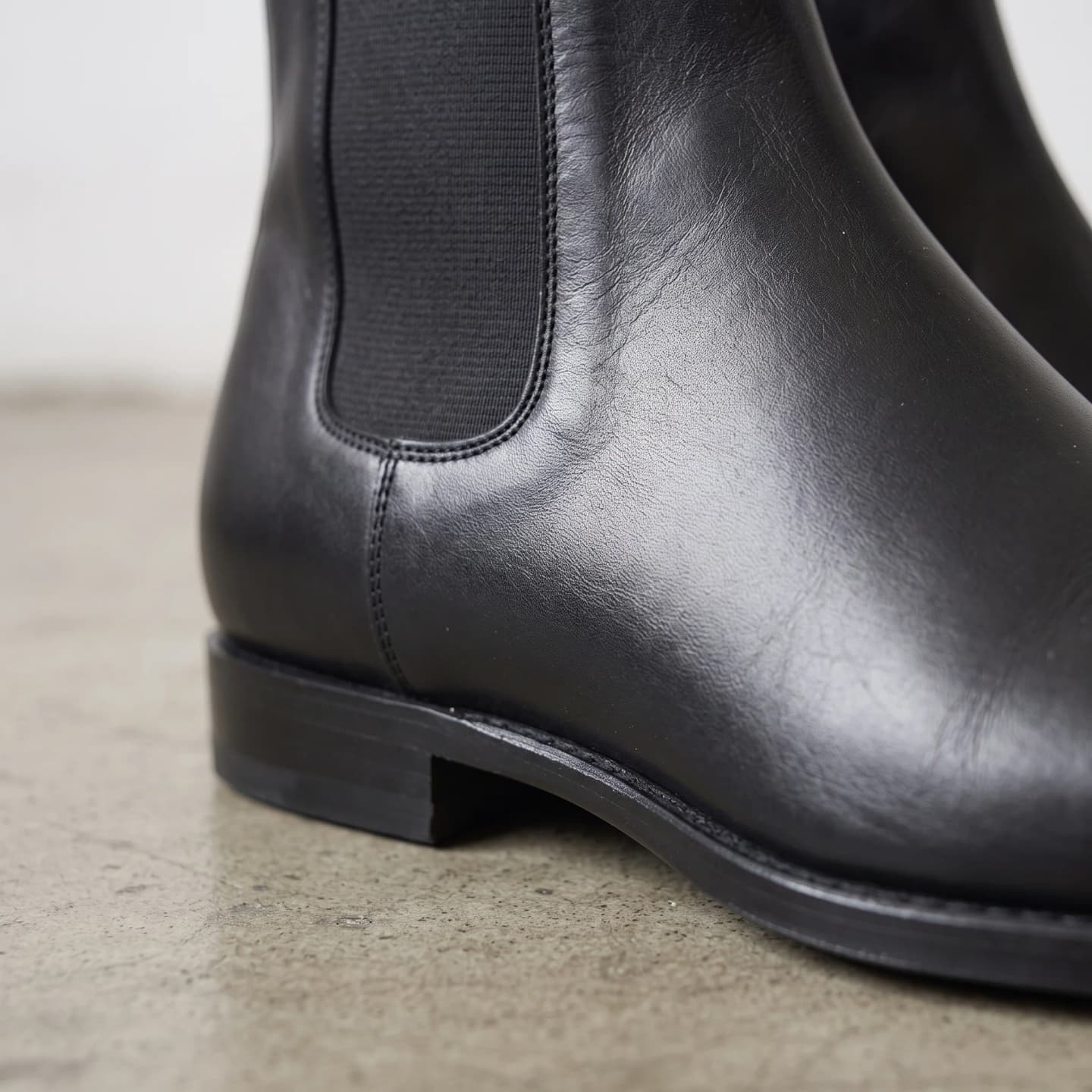
How to Care for Blundstone Boots: The Brand's Own Cleaning Steps for Leather, Suede, Nubuck and Canvas
Blundstone's official boot-care page sets out cleaning steps by material — leather, suede, nubuck and canvas — plus sole cleaning, drying and storage rules. Here is what the brand instructs, its cautions (no artificial heat, no tumble dryer for canvas, patch-test polish), and where the advice stops.
Contents
Blundstone boots come in leathers with various finishes, suede, nubuck and canvas, and the brand says each needs specific care to stay clean. Its boot-care page, published on its own site, walks through cleaning, drying and storage material by material, and it is the source for every step below — this guide simply follows the brand's instructions and flags where they end.
Before any of the material-specific work, the brand notes that keeping the soles clean is part of routine care, saying this helps avoid permanent stains and minimize contaminants causing damage. It also repeats one rule that applies across the page: if the leather is wet, let it dry naturally before cleaning or using any cleaning substances.
Cleaning leather boots
For leather, the brand's sequence is straightforward: brush or wipe off caked dirt, let the boots air dry away from direct sunlight and heaters, then apply a leather polish, spray or cream. If you are using a polish for the first time, Blundstone says to try it on an inconspicuous area of the boot to check whether it alters the color or appearance — the brand's own patch-test rule.
- Remove caked dirt with a soft-bristled brush or damp cloth, then air dry away from sunlight and heaters.
- Apply leather polish, spray or cream to maintain the boots; patch-test a new polish on an inconspicuous area.
- If using a polish, apply a small amount of leather cleaner to a polishing cloth or brush and rub on in circular motions.
- Wipe away the residue and leave the boots to dry again.
Suede and nubuck
Suede and nubuck get gentler treatment. For suede, Blundstone calls for a suede brush to scrub off surface stains and dirt, a gum eraser for scuff marks, then a suede brush dampened with a little water and a small amount of suede and leather cleaner, worked with attention on particularly stained spots. Dab with a clean towel to remove excess moisture, air dry, then apply a water and stain repellent spray. The brand adds that some suedes are best treated before wear if they have not been treated.
Nubuck follows a similar pattern with its own tools: a dry nubuck cloth for surface dirt, then a gentle brush with a nubuck brush in circular motions, taking care not to spend more than a few seconds on any area. Scuffs come off with a gum eraser, or you can try a spray-on nubuck cleaning solution and wipe with a nubuck cloth — the brand stresses following the product's instructions and testing on a small area before wider application. Finish with a nubuck water and stain repellent.
Canvas and the soles
For canvas, the brand suggests scrubbing dirt patches with a soft-bristled brush — an old toothbrush will do — then cleaning the entire surface of the boot with a cloth or brush dipped in warm water. Put tissue paper inside the boots and air dry to help maintain their shape. One hard warning: never put canvas Blundstones in a tumble dryer, as they risk shriveling and damaging the sole.
Sole cleaning starts with removing large pieces of dirt and debris, then a stiff nylon brush between the tread. If dirt remains, the brand suggests soaking the soles in a shallow bath or bucket of warm water for two hours — with the note that the water should not reach the leather upper — followed by an overall wipe with a damp cloth and natural drying.
Drying, storage and what to keep away from the boots
The strongest caution on the page concerns heat. The brand says never to dry boots by an open fire or artificial heat source, because this can cause the leather to harden, shrink and crack, and can even make the leather pull away from the sole. Always dry naturally at room temperature, and store the boots in a well-ventilated, cool place away from sunlight or heat, which it says will tarnish the leather.
On conditioning and protection, the brand says to use a leather conditioner whenever the boots need it — if they are looking scuffed and worn — and a suede protector on suede boots when they look worn and before wear on a rainy or sunny day. It also warns against chemical exposure: solvents, strong acids and alkalis will do irreparable damage to leather, while commonplace substances like milk and salt are also highly damaging, so clean the boots immediately in the event of exposure. Its final line: use only good-quality cleaning substances, and ones specific to the material of your boots.
Where the brand's advice stops
These are Blundstone's own instructions, attributed to the brand, not independent testing; this guide has not worn, washed or measured any boots. The page does not cover every upper material or finish it sells, does not say how often to repeat each cleaning routine beyond general suggestions like waterproofing regularly, and does not address repair or resoling. For product-specific cleaners, repellents and conditioners, follow the instructions on the individual product, as the brand itself directs for spray-on nubuck solutions.
To check the result yourself, look at your boots in good light after each stage: the brand's own tests are visible ones — whether a patch-tested polish altered the color or appearance, whether dirt remains between the tread after brushing, and whether the boots dried at room temperature without the hardening or shrinking it warns about. If a step does not match your boot's material or a product's label instructions, follow the product label and, where in doubt, contact the brand's help center before proceeding.
From the source
Written from the pages listed above and checked by the editors. Spotted a mistake? Write to us: corrections keep the address and the first publication date.
Read next
More in CareClean, Condition, Protect: What Red Wing Says Its Leather Care Products Do, and Which Conditioner It Assigns to Oil-Tanned Leathers
Red Wing organizes its shoe care line around three steps — Clean, Condition, Protect — and names specific leathers for one conditioner, All Natural Boot Oil. Here is what the brand's product pages say each product type is for, the darkening caveat the brand attaches to the boot oil, and the prices the brand listed as of 17 September 2026. The brand's own framing, not an independent test.
How to Replace a Zipper Slider: Patagonia's Own Repair Guidance, Zipper Types, and Where the Brand Says to Stop
A stuck or separating zipper doesn't have to retire a jacket. Patagonia's care-and-repair guide walks through identifying the zipper type, gathering supplies, replacing a slider, and — importantly — where the brand says a DIY fix ends and professional repair begins. Here's what that guidance covers, in the brand's own words.
Dark Denim Dye Transfer: What Levi's Says Causes It, How to Prevent It, and Why the Brand Says No Refunds Are Offered
Dark-wash, black and raw denim can leave blue marks on lighter fabrics and surfaces. According to Levi's help-center guidance, dye transfer is a normal characteristic of heavily dyed denim rather than a defect, and the brand says it does not offer refunds or replacements for it. Here is what the brand advises: washing jeans before the first wear, cold-water washes inside out, dark-only loads, air drying, and prompt cleaning if a mark appears.