How to Care for Leather Shoes and Boots: KEEN's Own Cleaning, Conditioning and Storage Steps (and Where They Stop)
KEEN's official care guide lays out a simple routine for leather footwear: clean with a soft brush, condition about twice a year, dry naturally away from heat, and store with shoe trees or newspaper. A companion page covers mixed leather-and-synthetic hiking boots, including insole and lace replacement. Here is the routine as the brand gives it, with a note on what the guidance does not address.
Watch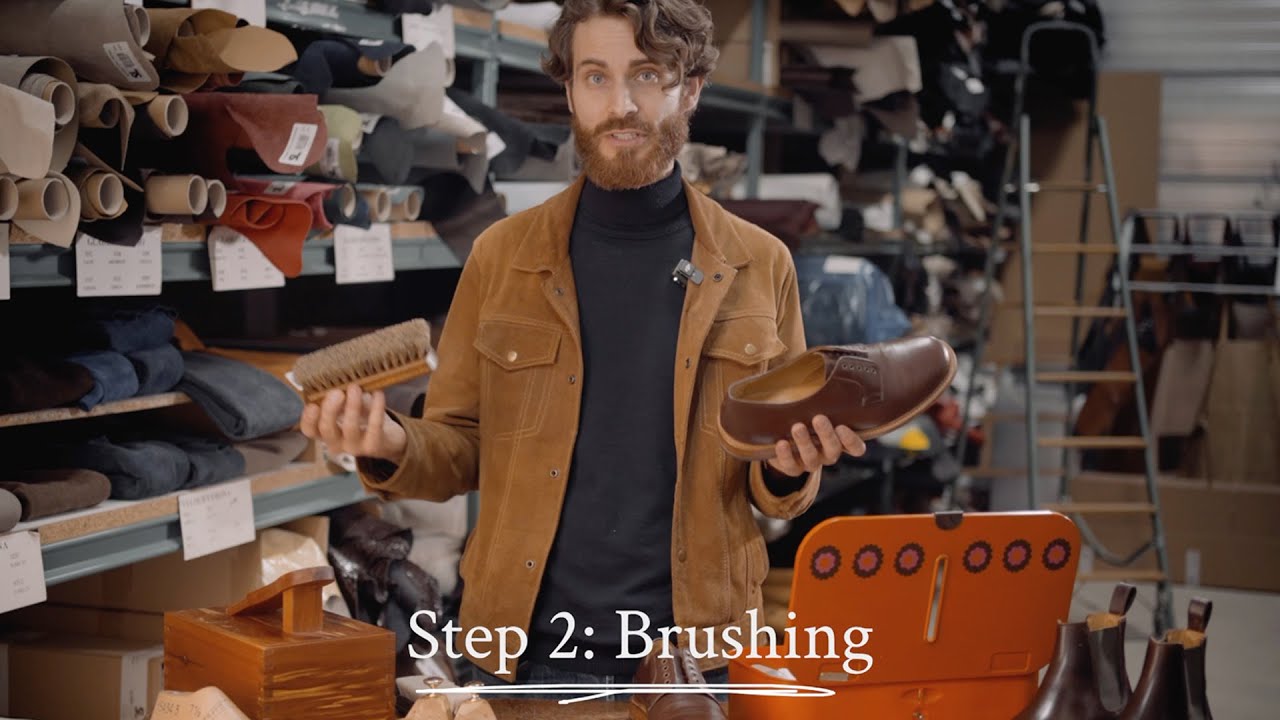 How to Clean & Condition Smooth Leather Boots & Shoes | Step-by-Step Guide
The recording belongs to Lennertson Shoes, not to this publication, and it plays from YouTube: opening it lets YouTube see the request.Watch on YouTube instead.
Contents
Leather footwear asks for attention, but the routine the brand KEEN publishes for its own leather boots, shoes and sandals is short: clean, condition, dry slowly, store sensibly. "Leather can last for decades when cared for correctly," the company writes in a care guide dated November 30, 2024, adding that leather "is extremely durable but does require some upkeep." This article walks through the steps as KEEN states them, then adds the brand's separate advice for mixed leather-and-synthetic hiking boots.
One caveat before the steps: these are the recommendations of the shoemaker itself, not an independent test, and both pages were read as captured on September 20, 2026. KEEN also notes that the schedule may need to speed up for heavy use: "You may want to go through the steps below more often if your leather shoes are worn often in the outdoors."
Cleaning: laces off, soft brush, optional saddle soap
KEEN's cleaning routine for leather footwear is three steps, as the brand gives them:
- Remove the laces and soak them in soapy water.
- Wipe dirt and grime off the upper with a soft brush or a damp cloth.
- Optionally, use a leather cleaner such as saddle soap for a deeper clean; the brand names a specific Otter Wax product as its pick.
KEEN frames the regular cleaning as preventive: keeping leather shoes clean "will keep them looking their best and prevent them from drying out and cracking."
Conditioning every six months — and a wax warning for nubuck and suede
The brand's timing guidance is specific: "Conditioning every six months will help prevent dryness and keep your leather soft and comfortable." The application method it describes is a small amount of conditioner worked in with a cloth in a circular motion. KEEN also offers an optional extra layer — a waterproofing wax made for leather — but attaches a warning to it: "make sure you don't use it on your nubuck or suede shoes as it will damage the nap." The wax product the brand names is a Nikwax one, which KEEN says it likes "because it's PFAS free and easy to use." Both product mentions are the brand's own suggestions, not independent evaluations.
Drying and storage: room temperature, shoe trees or newspaper
KEEN's drying rule is to "let your leather shoes dry naturally" at room temperature, out of direct heat. The reason it gives is that "things like sunlight, fires, and radiators can make your leather shoes dry too fast and end up cracking the leather." For storage between wears, the brand suggests "shoe trees or stuffing them with old newspaper" to hold the shape and prevent creases, and for end-of-season storage, a cool, dry place away from direct sunlight.
Hiking boots with mixed leather and synthetic uppers
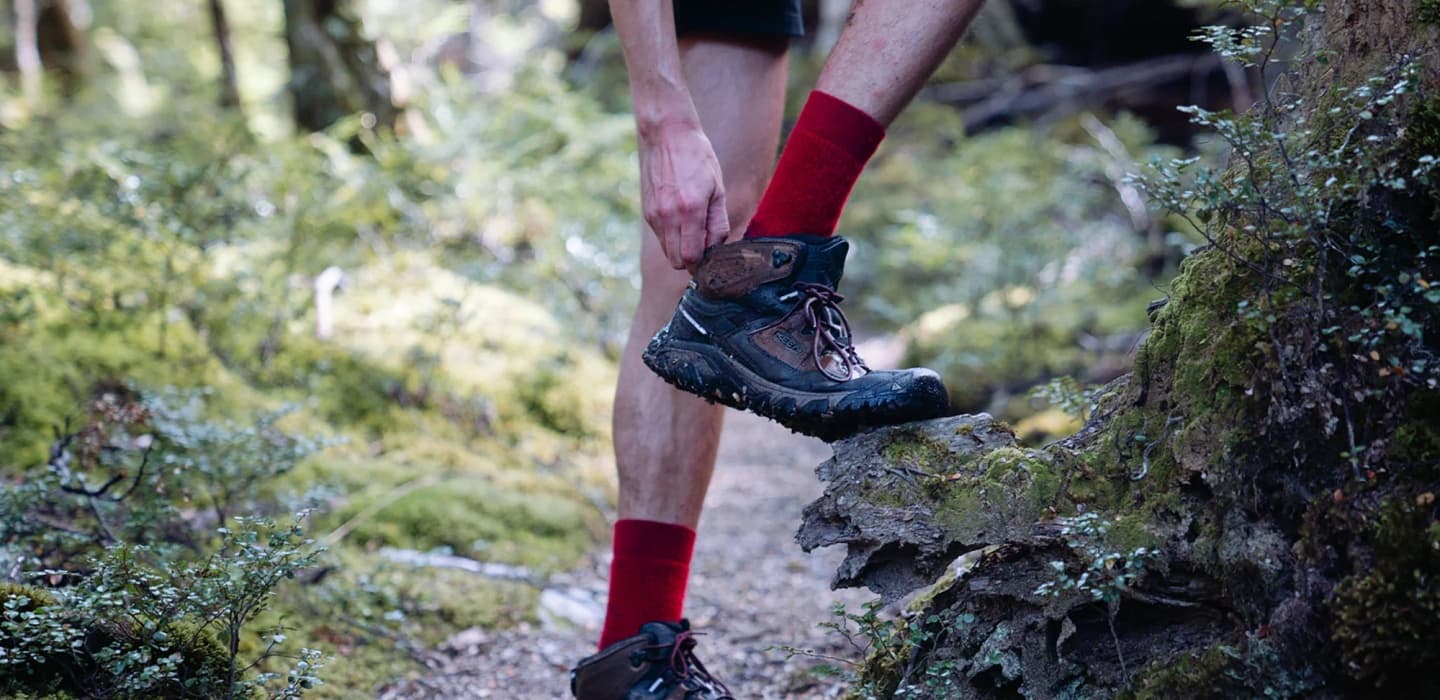
For hiking boots (and trail sneakers/trainers) that mix leather and synthetic materials, KEEN has a separate guide dated December 8, 2024, and it points readers with predominantly leather boots to the leather guide instead. The mixed-material routine starts with removing laces and insoles, which are soaked in soapy water and air-dried separately. A brush removes dirt and mud from the outside, including the lugs. For a deeper clean, the brand suggests mixing a light detergent with water — or a specified boot cleaner — and wiping down only the non-leather sections. Afterward, the shoes air dry; KEEN notes that if they aren't leather, sun drying can help eliminate moisture and odors.
On conditioning, the hiking guide narrows the advice by leather type: "For the full-grain (smooth not textured) leather parts of your boots, we recommend applying a leather conditioner, which will help prevent cracking and can assist in breaking in your boots." So the six-monthly conditioning routine applies to full-grain leather sections, per KEEN's page.
Replacing insoles and laces
KEEN treats insoles and laces as replaceable parts: "Over time, things like laces and insoles may start to wear out. If needed, these components can be replaced to keep your KEEN hiking boots comfortable." The brand says it sells replacement insoles but, as its page states, "we don't sell any replacement laces at this time," and it advises measuring your old laces before ordering new ones. That availability can change, so it is worth checking the current help pages. For storage, the hiking guide adds a mold-prevention note: boots should be fully dry before storing, kept in a cool, dry place, away from damp areas or direct sunlight, which the brand says "can deteriorate materials over time."
Where the guidance stops
The brand's pages cover cleaning, conditioning, drying, storage and component replacement, but they are brief — each is a short blog post, not a full care manual. They do not give instructions for resoling or other structural repairs, they do not address specific stains such as salt or oil on leather, and the six-month conditioning interval is the brand's general suggestion rather than a schedule tied to a particular climate or use pattern. If your footwear carries a warranty, the warranty terms, not the care blog, are what govern coverage. For shoes made by other brands, that brand's own care instructions take priority, since finishes and materials vary.
To check the routine yourself, read KEEN's care pages directly — "Shoe Care Tips: Love Your Leather" and "Shoe Care Tips: Hiking Shoes & Boots" on keenfootwear.com — and confirm the steps match what is printed there now, since care advice can be updated. Then, before conditioning a pair, test what the upper is made of: if the surface is nubuck or suede, the brand's own warning says to skip the wax, and if the leather is textured rather than smooth full-grain, the hiking guide's conditioning advice does not apply to it.
From the source
Written from the pages listed above and checked by the editors. Spotted a mistake? Write to us: corrections keep the address and the first publication date.
Read next
More in CareCare·Brand program··3 min
Patagonia's Ironclad Guarantee: What the Brand Says It Covers, How Repair and Return Work, and Where Wear and Tear Fits
A profile of Patagonia's Ironclad Guarantee as the brand states it on its own pages: what the guarantee promises, how to start a repair, return or exchange, and the wear-and-tear carve-out that means some repairs carry a charge.
How to Clean GORE-TEX Footwear: Washing, Drying and Re-Proofing Steps from Gore
Gore's own care page gives a short, specific routine for GORE-TEX shoes and boots: pull the laces and footbeds, brush off dirt, wash by hand in lukewarm water with a little liquid detergent, dry naturally away from direct heat, and re-apply a water-based DWR spray once water stops beading. Here is the full procedure as the brand states it, including what not to use.
How to Care for Blundstone Boots: The Brand's Own Cleaning Steps for Leather, Suede, Nubuck and Canvas
Blundstone's official boot-care page sets out cleaning steps by material — leather, suede, nubuck and canvas — plus sole cleaning, drying and storage rules. Here is what the brand instructs, its cautions (no artificial heat, no tumble dryer for canvas, patch-test polish), and where the advice stops.