How to Restore Durable Water Repellent (DWR) on a Waterproof Jacket: Gore's Official Steps, and What DWR Does Not Do
When a waterproof jacket stops shedding rain, the problem is usually not the membrane but a worn-out durable water repellent (DWR) — the thin coating on the outer fabric. This explainer walks through Gore's own care sequence for GORE-TEX outerwear: washing warm with liquid detergent, reactivating the factory DWR with heat, and re-applying a spray-on or wash-in treatment when beading fails — plus the SHAKEDRY exception and why a tired DWR does not make a jacket leak.
Contents
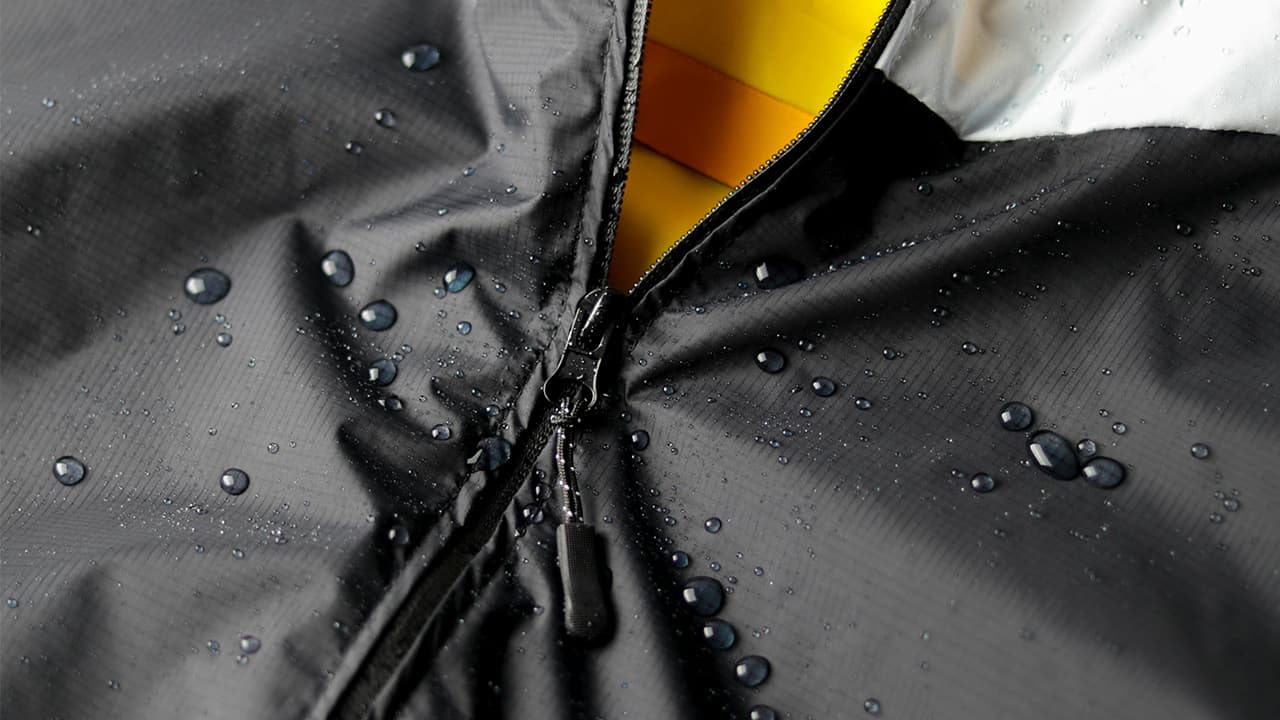
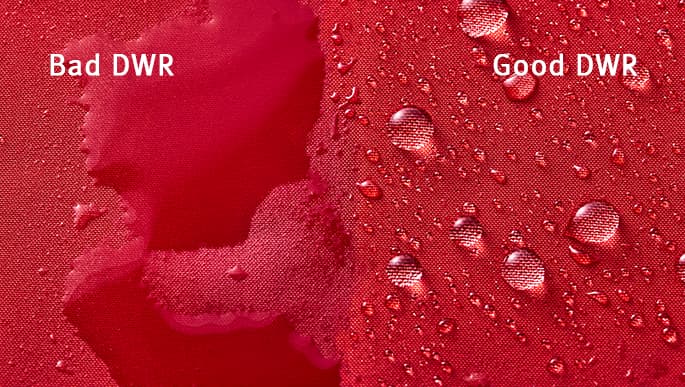
If your rain jacket has started to look soaked rather than wet-beaded after a shower, the jacket itself is probably fine. What has likely worn down is the durable water repellent, or DWR: a thin coating applied to the outside of technical garments that causes water to bead up and roll off the outer layer instead of being absorbed. According to Gore, regular wear and tear as well as exposure to dirt, sunscreen lotion, bug repellents, detergents, campfire smoke and cooking odors diminish this water repellency over time. The good news, in the brand's words, is that a DWR treatment is not a permanent property of most outerwear — periodic care can bring it back.
This guide follows the steps as the GORE-TEX brand states them on its own care pages, for jackets made with its membrane. Other brands and materials have their own instructions, so always check the garment manufacturer's care tag too — Gore says its own advice does not replace it.
Step one: test before you treat
Before washing anything, find out whether the DWR actually needs help. Gore's suggested test is simple: sprinkle some water on the jacket. If the water beads up, the DWR is in good shape. If it soaks in and darker patches appear, it is time to restore it. Gore also advises testing all over, because soaking can occur from any breach. How long a DWR lasts depends mainly on use — a jacket worn hard several times a week will lose its repellency sooner than one used a few times a month, and the factory-applied treatment typically outlasts reapplications.
Step two: wash it properly
Restoring the factory DWR starts with a wash and heat. Gore's washing instructions, as given on its outerwear care page, are:
- Before washing, zip the front, pockets and pit zips completely, and fasten loose flaps and straps.
- Machine wash in warm water, 105°F/40°C, with a small amount of liquid detergent — about one ounce/30 ml per load, depending on water quality and load size.
- Do not use powder detergent, fabric softener or chlorine bleach.
- Gore suggests a second rinse cycle so all detergent is rinsed out, and says a gentle cycle with reduced spinning (400 rpm or lower) minimizes creasing.
- The garment does not need to be washed alone; similar, not heavily soiled garments can go in together.
Step three: reactivate with heat
Once the jacket is dry, heat is what revives the coating. The sequence, in Gore's words:
- Line dry the garment first, or tumble dry it on a warm, gentle cycle.
- Then tumble dry for 20 minutes to reactivate the DWR on the outer fabric.
- If you cannot tumble dry, iron the dry garment on a gentle setting — warm, no steam — with a towel or cloth between the iron and the garment. Gore recommends low temperatures (the ironing symbol with two dots).
- Gore recommends line-drying as its default because it uses less energy, with the tumble-dry step serving the reactivation purpose.
Step four: re-apply when heat no longer works
Sometimes the factory treatment can no longer be reactivated by washing and drying. In that case, Gore says to apply a new water-repellent treatment to the outer fabric — available as a pump-spray or a wash-in product — and always follow the reapplication product's own instructions, then activate it with the same tumble-dry or ironing step. On choosing between the two formats, Gore notes both work, but that wash-in products also coat the inside of the garment, which may compromise how well the interior fabric wicks perspiration and may affect breathability. Check the jacket's label to verify the appropriate option.
The exception: no DWR, no heat
GORE-TEX garments with a persistent beading surface, such as SHAKEDRY products, follow different rules entirely. These have no textile outer layer — the outer layer is the membrane itself, so there is no DWR to restore and no treatment to apply. Gore's instructions for them are to machine wash on a delicate cycle at 105°F/40°C, and not to dry clean, tumble dry, iron, bleach, or apply DWR treatment. If your jacket is one of these, skip every heat step above.
What restoring the DWR does not do
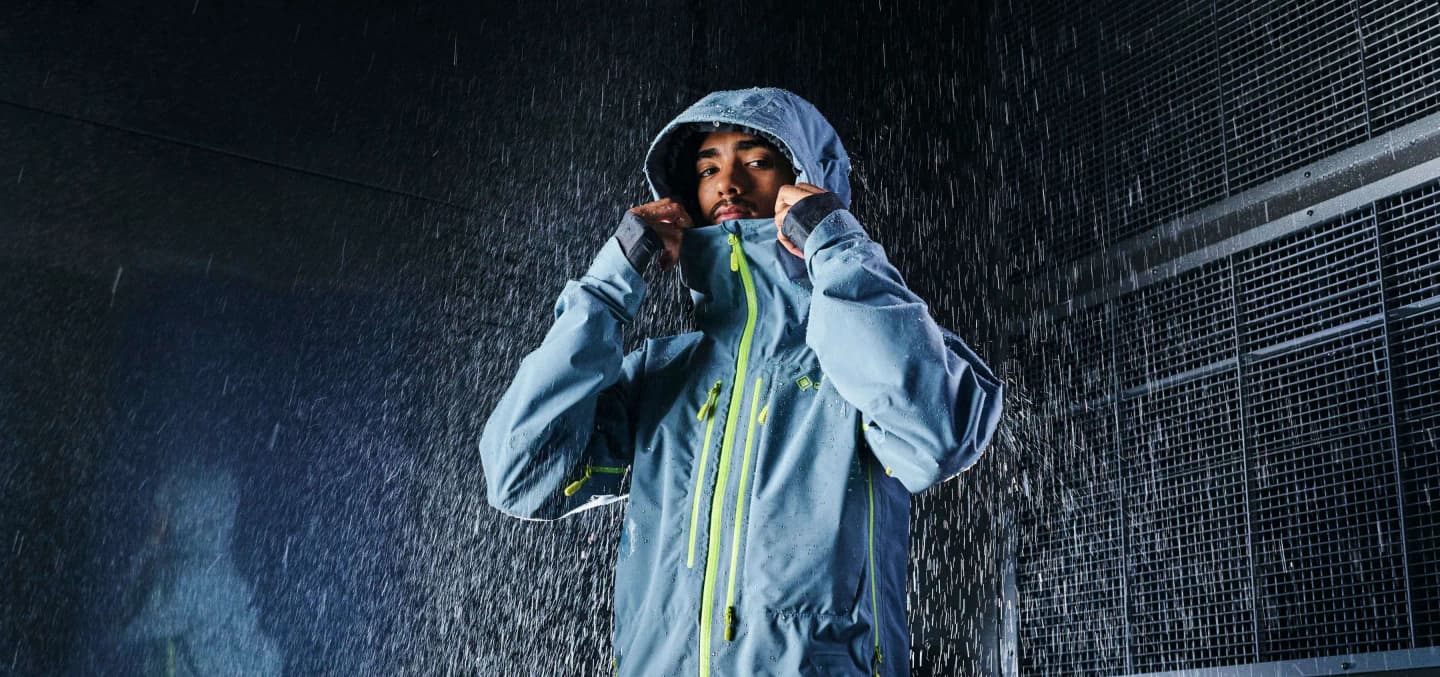
This is the point most worth internalizing: restoring the DWR does not make a jacket more waterproof. Gore's own answer is a plain no — DWR is a surface treatment and does not impact the performance of the waterproof membrane, and when the DWR wears off, a waterproof jacket is still waterproof. What a well-maintained DWR does, per the brand, is help the jacket breathe efficiently by keeping the outer fabric from saturating, which keeps you more comfortable and prevents the clammy "wet out" feeling of heavy, saturated outer fabric clinging to your skin. So if your jacket leaks, a DWR refresh is not the fix — but if it feels soggy and stuffy, it very well may be.
To check your own result, repeat Gore's sprinkle test after the full wash-and-heat sequence: sprinkle water on the outer fabric and see whether it beads up and rolls off. If it does, the DWR has been restored; if it still soaks in and darkens the fabric, that is the signal to apply a new spray-on or wash-in treatment — and to re-run the same test after activating it with heat.
From the source
Written from the pages listed above and checked by the editors. Spotted a mistake? Write to us: corrections keep the address and the first publication date.
Read next
More in CareCare·Brand program··4 min
Nudie Jeans Free Repair Program: Who Qualifies, Where You Can Go, and the Limits — According to the Brand's Own Help Center
Nudie Jeans says it will repair its jeans for free, as many times as needed, no matter when or where they were bought — but only its own jeans, only freshly washed, and in person at brand shops and partners, with a repair-kit workaround for c/o members. Here is what the brand's help center says about eligibility, kits, trade-ins and the no-mail-in rule.
How to Wash and Re-Waterproof a Jacket: Patagonia's Own Steps for DWR Care, and Where the Brand's Advice Stops
Patagonia's care guides lay out when to wash a waterproof jacket, which detergent to pick, how low-heat drying revives the DWR finish, and when to re-proof — plus the waxed-cotton exception. A guide to the brand's stated steps and their limits.
How to Wash Dry (Raw) Denim: Nudie Jeans' Own Steps, and Where the Brand's Advice Stops
Dry (raw) denim is unwashed denim that you break in yourself, and its owner's biggest question is when and how to wash it. Nudie Jeans publishes a complete method on its own pages: a six-month wait framed as a suggestion, a seven-step machine wash, spot-cleaning for early stains, and precautions for indigo bleeding onto light sneakers/trainers and leather boots. This explainer walks through the brand's steps as it states them, the shrinkage numbers on its care labels, and the point where the brand itself says the gentle method ends.