How to Wash and Re-Waterproof a Jacket: Patagonia's Own Steps for DWR Care, and Where the Brand's Advice Stops
Patagonia's care guides lay out when to wash a waterproof jacket, which detergent to pick, how low-heat drying revives the DWR finish, and when to re-proof — plus the waxed-cotton exception. A guide to the brand's stated steps and their limits.
Contents
Patagonia's care guides frame laundering as the fix for a failing waterproof jacket: in the brand's telling, the DWR coating wears off while the membrane still does its job, so the remedy is washing and drying rather than replacement. The brand's guides put those steps within reach of a washing machine, and this piece walks through the brand's own instructions — when to wash, what detergent to use, how drying reactivates the finish, and when it is time to re-proof. Everything below is attributed to Patagonia; it is the brand's advice, not an independent test.
When Patagonia says it's time to wash
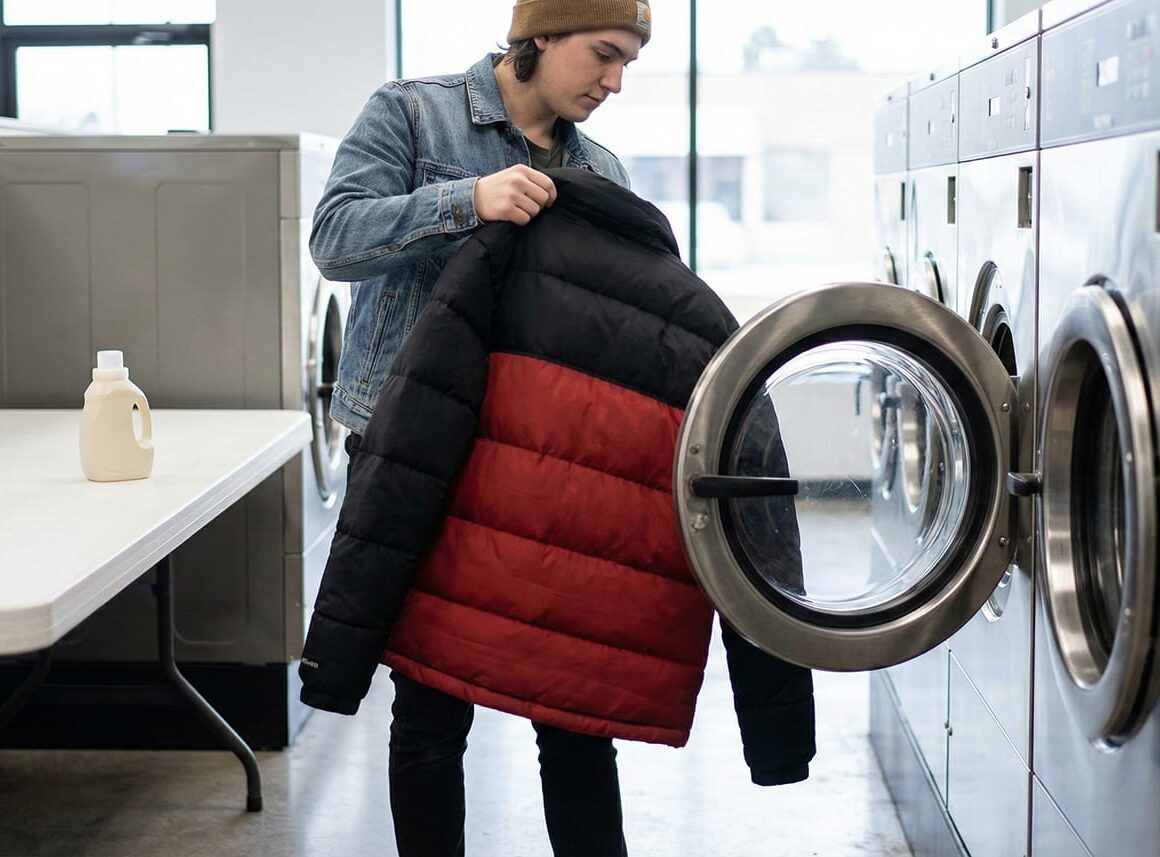
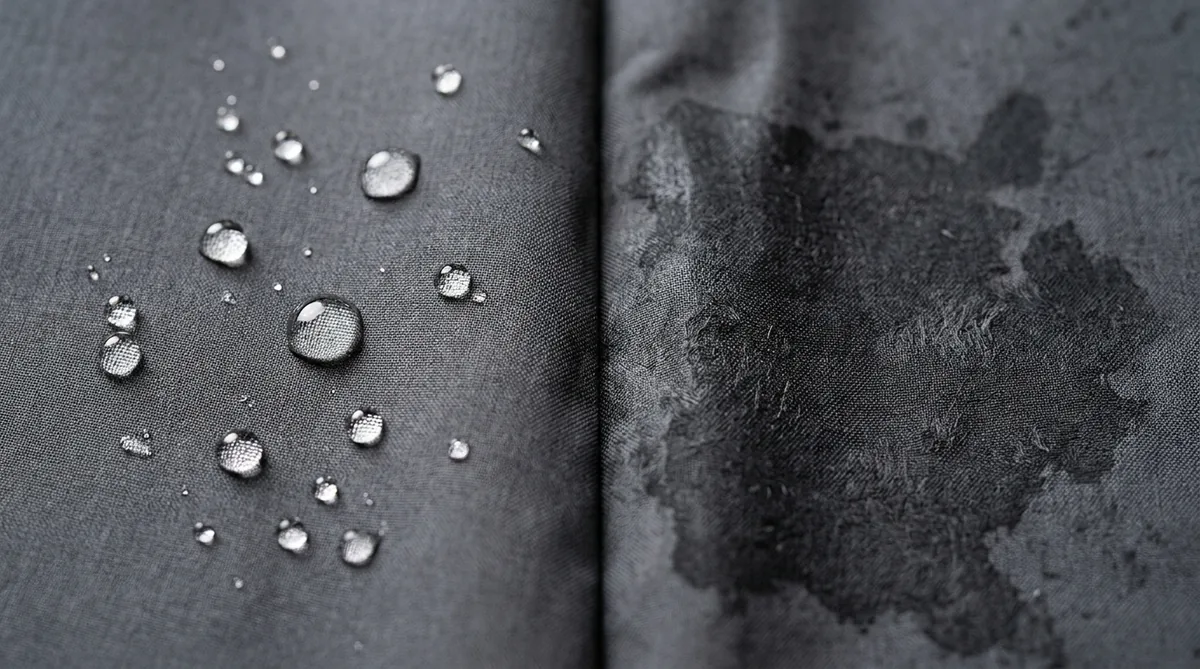
The brand's answer to "how often?" is deliberately unsentimental: if it looks dirty, wash and dry it. The second signal is "wet out" — when just the exterior of the fabric looks wet while the inside stays dry. Patagonia describes this as a normal process, usually appearing first in high-friction areas such as cuffs or shoulders where pack straps sit. For frequency, the brand offers rules of thumb that differ by construction:
- jackets made without perfluorinated chemicals like PFAS: wash after wearing the garment 7–10 times or after a long trip
- jackets with PFAS: the brand says these can typically be washed after 30 times of use
- and as a follow-up check: if water still doesn't bead up after a wash and dry, it's time to re-proof
Standard detergents, according to Patagonia, can affect the durable water repellent (DWR) finish and lead to premature wetting out. The brand's shopping criteria are specific: choose a water-based (not oil-based) biodegradable liquid detergent free of dyes, whiteners, brighteners or fragrance, and look for products made for waterproof jackets or technical outerwear. The brand also offers a shorthand rule for shoppers: if a detergent is safe for sensitive skin, it's safe for your gear.
What DWR does, and why drying matters
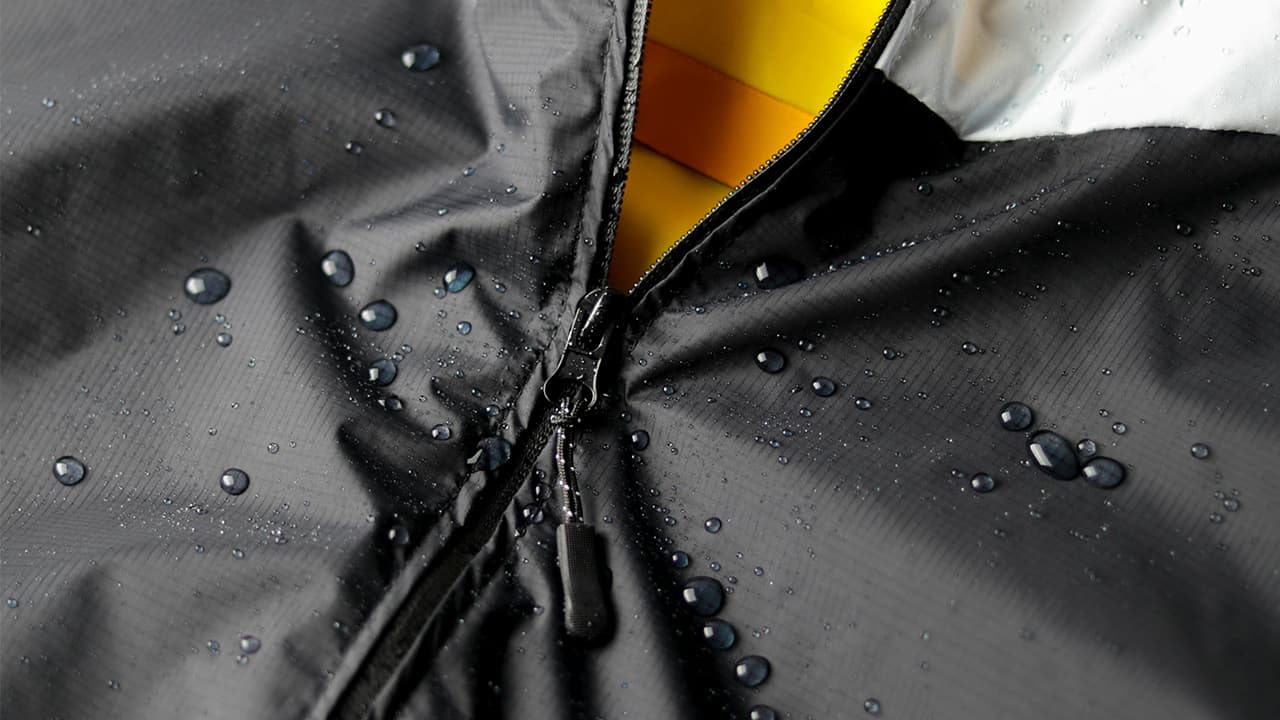
DWR is the coating that makes moisture bead up and roll off the outer surface; the membrane inside the laminated fabric is what Patagonia calls the actual "engine" of waterproofing. The DWR keeps the outer fabric from becoming saturated so the breathable barrier can do its job. Washing removes the oils and contaminants that degrade it, and machine-drying on low heat reactivates the finish — which is why the brand treats both steps as part of one routine. The brand also notes that since Spring 2025 all its new styles are made without intentionally added PFAS.
When to re-proof, and which product to pick
When beading no longer returns after a wash and dry, Patagonia's advice is to reapply a DWR treatment. The brand recommends a PFAS-free waterproofing solution and names Storm Eco Proofer as its pick; on its EU product-care page it says its favorites are Grangers® products, though many good products are on the market. The choice of applicator depends on construction:
- two-layer garments (with a hanging mesh liner): spray-on
- three-layer garments (with an interior fabric protecting the barrier): wash-in
- GORE-TEX® garments: spray-on products only, per the EU care page
- spray-on versus wash-in generally: the brand's guide says wash-in coats the entire item in the wash, but spray-on options are as effective so long as you're vigilant about covering all areas
On the EU page, the brand recommends replenishing the DWR once per season, or more often if the garment receives frequent use and washing. And if re-proofing doesn't change the situation, the brand's own instruction is to send the garment in for a look via Returns and Exchanges.
The waxed-cotton exception
One garment type sits outside this whole routine. Patagonia says waxed cotton — naturally water-repellent gear — should be spot-cleaned only as needed, never put in the wash or dryer, and never ironed or steamed. The brand sums it up as: wax, don't wash.
Where the brand's advice stops
Patagonia's guidance covers washing, drying, re-proofing and one exception, and it applies the same routine across constructions and membrane types — the brand states that all waterproof, breathable gear requires the same simple wash and care regardless of construction, membrane type, material provider or chemistry. What the guides do not provide is independent verification: the wash frequencies, detergent criteria and re-proofing intervals are the manufacturer's recommendations for its own gear, and product recommendations like Storm Eco Proofer are brand endorsements, not measurements. If your jacket is not made by Patagonia, its own care tag and the maker's instructions take precedence.
To check the result yourself, run the brand's own test: after a wash and low-heat dry, sprinkle or splash water on the shell and watch whether it beads and rolls off. If it soaks into the exterior fabric instead, repeat the wash first, then re-proof with the applicator type matched to your garment's construction, and dry again before judging. For anything the care steps don't resolve, the brand directs owners to its Returns and Exchanges channel.
From the source
Written from the pages listed above and checked by the editors. Spotted a mistake? Write to us: corrections keep the address and the first publication date.
Read next
More in CareHow to Wash Dry (Raw) Denim: Nudie Jeans' Own Steps, and Where the Brand's Advice Stops
Dry (raw) denim is unwashed denim that you break in yourself, and its owner's biggest question is when and how to wash it. Nudie Jeans publishes a complete method on its own pages: a six-month wait framed as a suggestion, a seven-step machine wash, spot-cleaning for early stains, and precautions for indigo bleeding onto light sneakers/trainers and leather boots. This explainer walks through the brand's steps as it states them, the shrinkage numbers on its care labels, and the point where the brand itself says the gentle method ends.
Labels·Brand program··4 min
Levi's 2-Year Warranty: Who Qualifies, What Counts as a Defect, and How to Claim — According to Levi's Own Policy
A brand program profile of the Levi's warranty as the company describes it in its own help center: what is covered, what counts as wear and tear, the photo requirements, and the voucher mechanics and limits. All statements are attributed to Levi's, per the help-center page as updated November 26, 2025.
What the OEKO-TEX LEATHER STANDARD Label on Leather Shoes and Bags Actually Certifies — and What It Doesn't
A plain-language explainer of the OEKO-TEX LEATHER STANDARD label seen on leather footwear, bags and accessories: what OEKO-TEX says it tests for, how certification works, what it does not cover, and how to verify a label yourself.