Patagonia's Ironclad Guarantee: What the Brand Says It Covers, How Repair and Return Work, and Where Wear and Tear Fits
A profile of Patagonia's Ironclad Guarantee as the brand states it on its own pages: what the guarantee promises, how to start a repair, return or exchange, and the wear-and-tear carve-out that means some repairs carry a charge.
Watch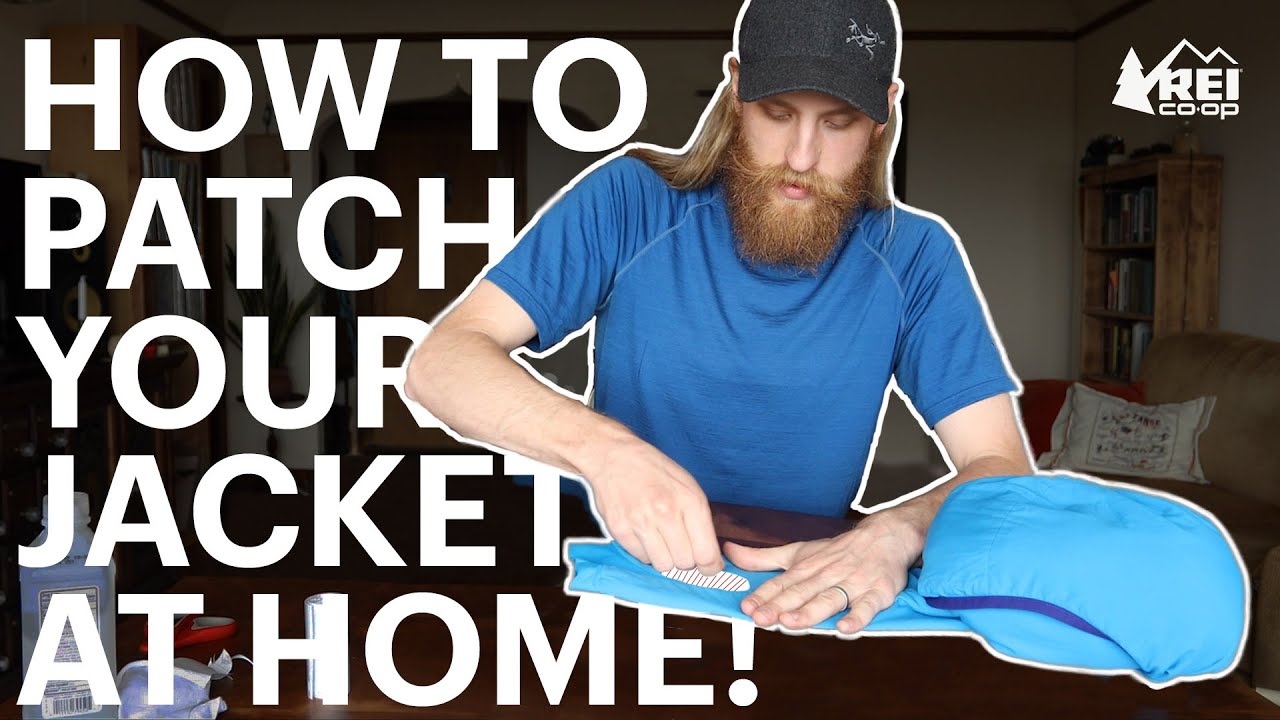 How to Patch Your Jacket at Home!
The recording belongs to REI, not to this publication, and it plays from YouTube: opening it lets YouTube see the request.Watch on YouTube instead.
Contents
Patagonia's Ironclad Guarantee is the brand's stated promise behind everything it sells. In Patagonia's own words, the company guarantees everything it makes. This article lays out the guarantee as Patagonia describes it: what it covers, how a repair, replacement or refund works, and the one situation the brand handles differently — ordinary wear and tear. The terms below are the brand's own and can change; they are stated as Patagonia's pages had them in September 2026.
What the guarantee promises
The core promise has two triggers. First, if you are not satisfied with a product at the time you receive it, Patagonia says you can return it. Second, if a product does not perform to your satisfaction, the same route applies. In both cases the brand states three possible outcomes: a repair, a replacement or a refund.
The brand's wording does not set a time limit on the performance promise, and it does not define "does not perform to your satisfaction" in detail. Where Patagonia draws a clear line is damage from ordinary use, which is handled on different terms than a defect or a dissatisfaction claim.
The wear-and-tear carve-out
The guarantee is not a promise of free repairs forever. Patagonia states that damage due to wear and tear will be repaired at a reasonable charge. The brand describes that charge only as "reasonable" and does not, in the wording quoted here, publish a price list. If you send in an item expecting a free fix under the guarantee, the outcome may instead be a paid repair — for example, hypothetically, if the brand classified worn fabric or a tired zipper on a heavily used jacket as wear and tear rather than a performance failure.
How to start a return, exchange or repair
Patagonia's returns page gives three entry points, each tied to a different situation:
- A return, for a purchase you do not want after all: you can start the return online or bring the item to a Patagonia-owned store.
- An exchange, for a wrong size or color or a different item: Patagonia states that exchanges get free shipping both ways.
- A repair, for gear that needs fixing: the brand points customers to its Product Care & Repair option.
- For guarantee claims specifically, the brand's knowledge article directs customers to a link to initiate repair or return.
The returns page frames the whole system around longevity: the brand says the best thing it can do for the planet is get more use out of the stuff we already own, and it points customers toward trade-in and repair alongside returns. That framing is Patagonia's own; this profile does not test how the process works in practice.
The quoted wording is from the brand's US-facing pages; regional differences in the guarantee's terms are not covered here. Repair charges, turnaround times and program details can change, so check the current pages before sending anything in.
To check the current terms yourself, read the Ironclad Guarantee page and the returns page on patagonia.com, and note the exact wording on wear-and-tear charges before you file a claim. If a repair comes back with a charge you did not expect, ask the brand to confirm in writing whether it classified the damage as wear and tear or as a performance failure, since that distinction is what the guarantee's own wording turns on.
From the source
Written from the pages listed above and checked by the editors. Spotted a mistake? Write to us: corrections keep the address and the first publication date.
Read next
More in CareHow to Care for Leather Shoes and Boots: KEEN's Own Cleaning, Conditioning and Storage Steps (and Where They Stop)
KEEN's official care guide lays out a simple routine for leather footwear: clean with a soft brush, condition about twice a year, dry naturally away from heat, and store with shoe trees or newspaper. A companion page covers mixed leather-and-synthetic hiking boots, including insole and lace replacement. Here is the routine as the brand gives it, with a note on what the guidance does not address.
How to Clean GORE-TEX Footwear: Washing, Drying and Re-Proofing Steps from Gore
Gore's own care page gives a short, specific routine for GORE-TEX shoes and boots: pull the laces and footbeds, brush off dirt, wash by hand in lukewarm water with a little liquid detergent, dry naturally away from direct heat, and re-apply a water-based DWR spray once water stops beading. Here is the full procedure as the brand states it, including what not to use.
How to Care for Blundstone Boots: The Brand's Own Cleaning Steps for Leather, Suede, Nubuck and Canvas
Blundstone's official boot-care page sets out cleaning steps by material — leather, suede, nubuck and canvas — plus sole cleaning, drying and storage rules. Here is what the brand instructs, its cautions (no artificial heat, no tumble dryer for canvas, patch-test polish), and where the advice stops.