Do Blundstone Boots Stretch? The Brand's Own Break-In and Stretching Advice (and What It Says About Sizing Up)
Blundstone's own guide says its full-grain leather boots stretch slightly over the instep but not in length, and suggests going up half a size for long wear. Here is the brand's break-in and stretching advice, attributed step by step, plus how to check the fit yourself.
Contents
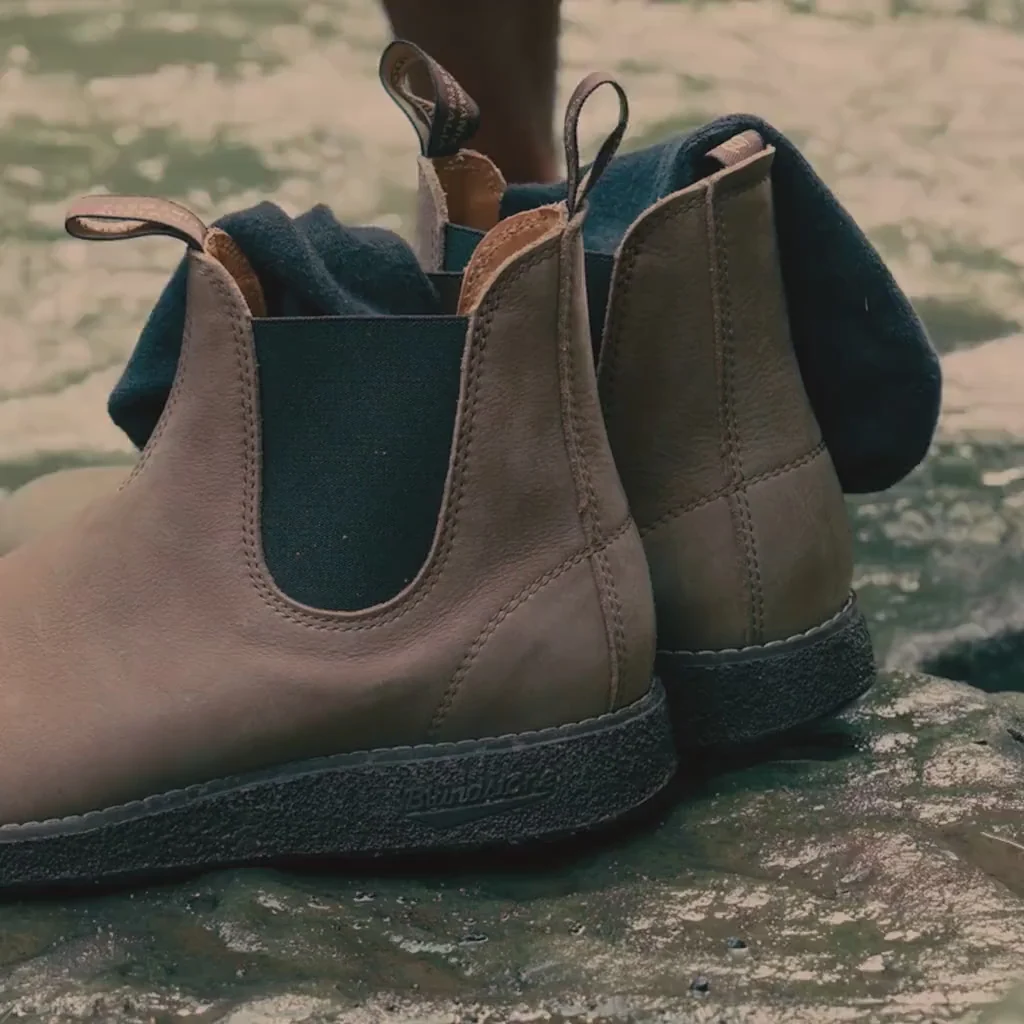
Chelsea boots are snug on the first wear, and Blundstone's pull-on leather boots are no exception. The brand's own guide, dated 12 August 2024, addresses the question directly: the boots do stretch, but only in one direction.
According to the company's guide, "they only stretch slightly over the instep, not in length." The reason it gives is the material: the boots are made from full-grain leather, which it describes as "a natural material that will stretch slightly over time." That distinction matters for sizing, because extra room across the top of the foot is something break-in can deliver; extra length is not.
What the brand says about sizing up
The same guide recommends going up half a size for people who expect to wear the boots for long stretches. In the brand's words, "If you are planning on wearing your Blundstone boots for long periods of time, it is a good idea to size up by half a size," which it says gives extra room that helps keep the leather from rubbing and causing blisters.
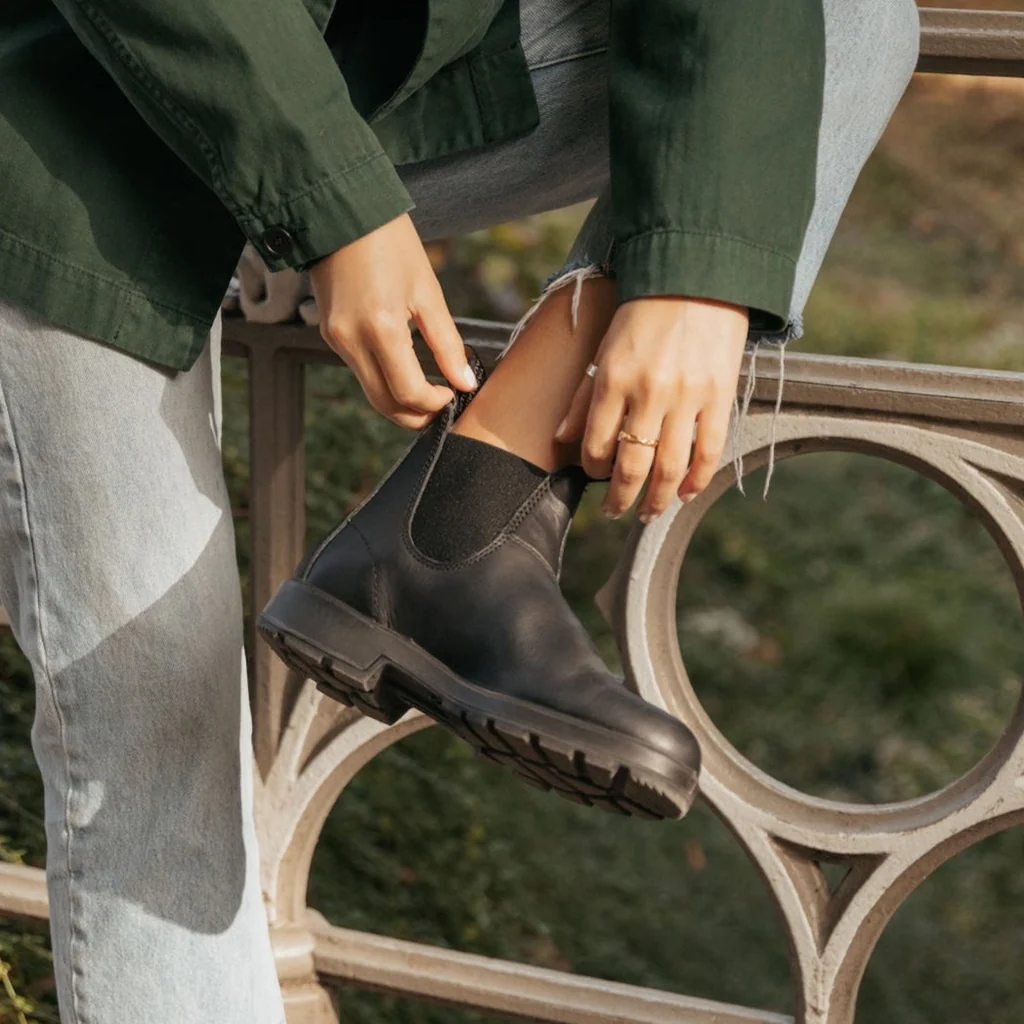
The guide also repeats the sizing-up suggestion later, in the context of boots that have not broken in after several weeks of wear: "If you are still having trouble breaking in your Blundstone boots after a few weeks, you may want to consider returning them or exchanging them for the correct size. You might even consider going up a half-size for a wider fit." So within this guide, half a size up appears both as a forward-looking buying choice and as a fix for a fit that never settled.
Fit varies between styles, too. The brand notes that the Classics Series comes with a pair of extra insoles to adjust fit as needed, and that the chisel-toe Dress Series "has a longer fit than other Blundstone styles." It also flags that a snug first fit is normal: "you should expect a snug fit the first time you wear your new pair of Blundstones."
The brand's break-in steps
Blundstone's advice for the initial break-in is gradual wear at home, and the guide spells out a routine:
- Wear them around the house for short periods first — the guide suggests starting with 15–20 minutes at a time and gradually increasing the time each day during the break-in period.
- Wear thick socks, which the brand says cushion the feet, reduce the risk of blisters and aid the stretching of new boots.
- Apply leather conditioner — a light coat inside and outside the boots, left to dry completely before wearing them — which the brand says softens the leather and makes it more pliable.
- Use a boot stretcher to stretch the leather in specific areas; the guide notes these can be bought online or at most shoe stores.
- See a professional — the brand suggests that bringing the boots to a cobbler can help ensure they are stretched as needed to mold to the shape of your feet.
The same guide adds two less conventional methods. The first is the freezer: the brand says the cold air helps compress the leather, creating extra room, and instructs readers to leave the boots in the freezer for 24 hours and then let them thaw at room temperature. The second is newspaper: packing the inside of the boots with newspaper and leaving it there for a few days, which the brand says helps stretch the leather.
One thing the guide is clear about is patience. Breaking in the boots, it says, takes time: "You shouldn't expect your new boots to be comfortable overnight." The intended path is frequent short wear around the house with the time increased gradually until the leather molds to the shape of your foot.
Where the advice stops
This is the brand speaking about its own boots, not an independent measurement: the claims about how much the leather gives, and which methods work, are Blundstone's, and the freezer and newspaper tips are presented by the brand without detail on how often to repeat them or what results to expect. The guide also frames break-in as time-limited — if trouble persists after a few weeks, its suggestion is a return, exchange or a half size up rather than more stretching. Sizing specifics sit on the brand's separate size guide, since the boots are sold in both US and Australian sizing and the brand itself calls that potentially confusing for first-time buyers.
How to check the result yourself
Before relying on break-in, check the fit where the leather will not give: length. With the boot on and your foot pushed forward, you should be able to feel whether your toes are pressed against the front — if they are, no amount of instep stretching will add room. To verify the brand's guidance and any sizing details for your region, read the guide itself on blundstone.com (it is dated 12 August 2024) and the brand's size guide, and confirm your size on the official chart rather than from a retailer listing. If the instep stays tight after the gradual-wear routine the brand describes, its own fallback is a return or exchange — check the seller's return window before the wear-in period consumes it.
From the source
Written from the pages listed above and checked by the editors. Spotted a mistake? Write to us: corrections keep the address and the first publication date.
Read next
More in FitBirkenstock Sizing: EU Size Conversion, Regular vs Narrow Widths, and How the Brand Says to Check the Fit
Birkenstock lists all its footwear in European sizes, and its US fit guide gives a simple conversion: add 31 to a women's US size or 33 to a men's US size to get the EU equivalent. Width matters just as much as length here, because Birkenstock says its shoes are meant to let toes spread outwards naturally. The brand marks width two ways — with an outlined footprint symbol for Regular and a filled one for Narrow — and prints that symbol on the footbed itself. This guide walks through the conversion formulas and charts, the two width systems with their women's and men's equivalents, the quarter-inch toe-space rule the brand gives for a correct fit, the break-in steps it recommends after purchase, and the checks Birkenstock's own FAQ suggests before deciding between Regular and Narrow. Everything here comes from Birkenstock's official fit and FAQ pages; as with any sizing guidance, treat it as the brand's own instructions and verify the fit on your own feet before keeping a pair.
How to Convert Your Shoe Size to Sock Size: Darn Tough's Charts in US, UK and EU Scales
Darn Tough publishes its own size charts that map sock sizes (XS to XXL) to Men's US, Women's US, Euro and UK shoe sizes, with heel-to-cuff height measurements in inches and definitions of no cushion, cushion and full cushion. Here is how the brand says to use them, and where its guidance stops.
Wide Shoe vs. Wide Toe Box: What KEEN Says the Difference Is, and Where the Brand's Fit Advice Stops
KEEN's own fit guide draws a line between a wide shoe and a shoe with a wide toe box — and it is careful, in the brand's words, not to be a medical authority. Here is the distinction as KEEN explains it, what the brand says roomy toe boxes do, and how the brand suggests checking toe room.