Labels, Claims & Rights·What the rule saysEU
What the Rule Says (EU): The Planned Revision of the Textile Labelling Regulation (EU) 1007/2011 — Timeline, Scope and Status
The EU is planning to revise Regulation (EU) 1007/2011, the law that currently requires textile labels to state fibre composition. Per the Commission's review page as read on 17 October 2026, a public consultation and a stakeholder workshop have been held, the back-to-back evaluation and impact assessment are still ongoing, and a proposal is planned by the second quarter of 2026. Here is what the current rule covers, why the Commission wants to change it, what the revision is expected to address, and how to check its status yourself.
Contents
If you buy clothes in the EU, the thing every textile label must give you today under the current rule is the fibre composition, written with the fibre names aligned across all EU countries. That requirement comes from Regulation (EU) No 1007/2011 on textile fibre names and related labelling, adopted in September 2011 and applicable since 8 May 2012, which repealed and replaced the earlier Textile Directives. A revision of this regulation is planned, and it could eventually change what labels tell you — including digitally — about apparel, clothing accessories and household textiles. Nothing has been adopted yet: what exists as of this writing is an announced intention to propose new rules by the second quarter of 2026, not a law.
This article sets out the revision according to the European Commission's review page as consulted on 17 October 2026: the motivation, the milestones already passed, and the planned timing. It complements the existing articles on what the current EU and UK label rules require; those describe the law as it stands, while this one frames a change that is still at the proposal stage.
Why the Commission wants to change the rules
According to the Commission, the current Textile Labelling Regulation goes no further than fibre composition. In its words, rules on labelling textile products are limited to the fibre composition of textile products, which has increasingly allowed EU countries to introduce their own divergent requirements in other labelling domains. The Commission says this has increased the complexity of often overlapping information for consumers and has partitioned the internal market while raising compliance costs for companies. It also points out that new fibres are being developed and new recycling technologies are becoming available, requiring better fibre identification, and that only physical labels are currently foreseen even though digital labelling technologies are now readily available and affordable.
What the revision is expected to cover
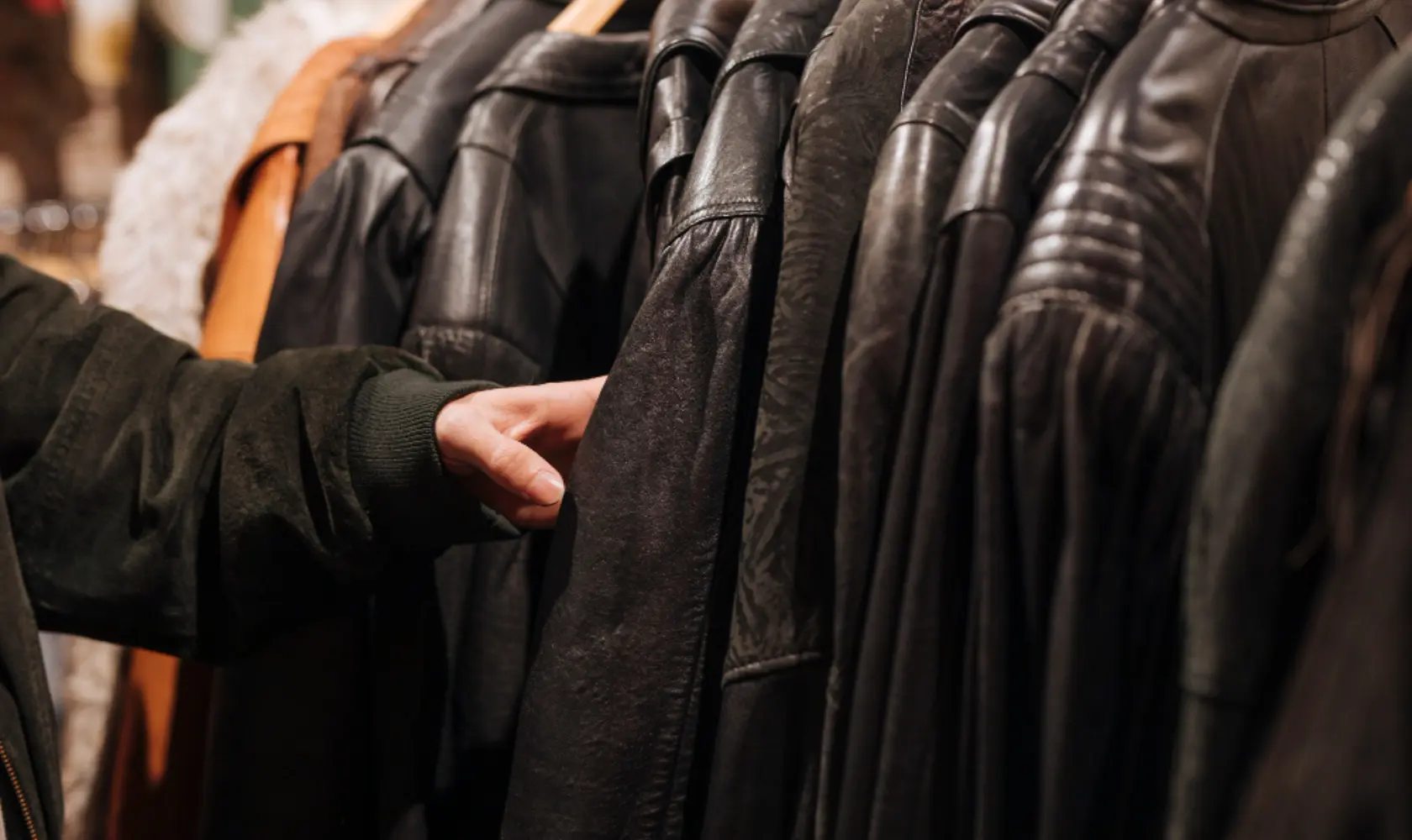
The Commission states that, as part of its REFIT programme, it is considering a single and uniform set of labelling rules for textile and related products of the textile ecosystem in all relevant domains, including non-textile apparel and clothing accessories. In line with the EU Strategy for Sustainable and Circular Textiles, the requirements would have a particular focus on environmentally relevant information. On a related sector page, the Commission says the revision would introduce comprehensive physical and digital labelling, notably for leather and fur apparel and clothing accessories as well as leather and fur household/interior products — areas the current fibre-composition rule does not reach in the same way.
The stated aims of the review are twofold: to ensure consumers have access to relevant information on the products they purchase in an accurate, intelligible and comparable manner, without misleading information, and to reduce compliance costs and ensure regulatory clarity through harmonization at EU level. Per the Commission, the initiative will consist of a back-to-back evaluation of the current regulation and an impact assessment under the Better Regulation Guidelines.
The milestones so far
- 12 July 2023: the European Economic and Social Committee adopts an exploratory opinion on the revision.
- 3 August 2023: a call for evidence is published, open until 30 September 2023.
- 19 December 2023: a public consultation opens, running until 15 April 2024; the Commission says the analysis of input received allowed it to fine-tune policy options.
- 18 October 2024: DG GROW hosts a validation workshop with stakeholders, presenting findings and preliminary conclusions of ongoing work and gathering stakeholders' reactions.
- By the second quarter of 2026: the planned proposal of the revision, underpinned by the back-to-back evaluation and impact assessment — which, per the Commission's page as read on 17 October 2026, were still ongoing, with stakeholders' reactions being carefully considered.
The status as of 17 October 2026
As of 17 October 2026, when the Commission's review page was consulted, the revision is a planned proposal, not adopted law, and the evaluation and impact assessment that underpin it were still ongoing. Until the European Parliament and the Council adopt a legislative act, the applicable requirements remain those of Regulation (EU) 1007/2011 as it stands.
How to check the current status
Because timelines in EU lawmaking can shift, check the Commission's own page on the review of Regulation (EU) 1007/2011 before relying on the timeline above; the milestones and planned proposal date shown there were current on 17 October 2026, and newer milestones may since have been added. If a formal proposal appears, it can be tracked on the Commission's Have Your Say portal and the European Parliament's legislative observatory, where the text, status and subsequent amendments would be listed. Until then, treat reports that a new labelling law has 'entered into force' with caution: as of 17 October 2026, no adoption had been announced on the Commission's pages consulted for this article.
From the source
Written from the pages listed above and checked by the editors. Spotted a mistake? Write to us: corrections keep the address and the first publication date.
Read next
More in LabelsLabels·What the rule saysUS··6 min
What US Warranty Law Means When You Buy Clothes and Shoes
The FTC's consumer guidance explains what a warranty is under US law: written and spoken promises, implied warranties that can last up to four years in some states, why service contracts are different, and what to do when a product fails. Here is how that guidance maps to buying clothes and footwear.
Labels·What the rule saysUS··4 min
What the Rule Says (US): The FTC Green Guides and the Open Review of Environmental Marketing Claims, December 2022
A dated explainer of the US Federal Trade Commission's Green Guides for environmental marketing claims: what they are, how they apply to wording like "recyclable," "recycled content," "compostable" and "sustainable," and the status of the FTC's public review as announced on December 14, 2022.
What KEEN's 'PFAS-Free Since 2018' Claim Covers — As the Brand States It
KEEN says it has been PFAS-free since 2018, after a four-year elimination effort that began in 2014. This brand program profile explains what the claim covers, the policy framework the brand points to, and what a reader should keep in mind — all as KEEN states it, not as independently verified fact.