Labels, Claims & Rights·What the rule saysUS
What the Rule Says (US): The FTC Green Guides and the Open Review of Environmental Marketing Claims, December 2022
A dated explainer of the US Federal Trade Commission's Green Guides for environmental marketing claims: what they are, how they apply to wording like "recyclable," "recycled content," "compostable" and "sustainable," and the status of the FTC's public review as announced on December 14, 2022.
Contents
When a hangtag or product page says a sweater/jumper is "recyclable" or a jacket contains "recycled" fibers, the wording is governed in the United States by the Federal Trade Commission's Guides for the Use of Environmental Marketing Claims, commonly called the Green Guides. According to the FTC, "The Commission's Green Guides help marketers avoid making environmental marketing claims that are unfair or deceptive under Section 5 of the FTC Act." The Guides were "first issued in 1992 and were revised in 1996, 1998, and 2012," and they are guidance rather than a binding rule on consumers; their function is to steer how companies describe environmental benefits.
The Guides matter for clothing shoppers because they set the FTC's view of "how consumers are likely to interpret particular claims and how marketers can substantiate these claims to avoid deceiving consumers." In other words, when a brand explains what "recycled content" means on a label, or when it qualifies a "compostable" claim, the Guides describe the standard the FTC expects such claims to meet under US consumer protection law.
The review announced in December 2022
On December 14, 2022, the FTC announced that it was opening a public review of the Guides. The Commission stated that "it is seeking public comment on potential updates and changes to the Green Guides for the Use of Environmental Claims," citing "increasing consumer interest in buying environmentally friendly products." An update, if adopted, had not been published at the time of that announcement; the release described the start of a review, not a completed revision.
The Commission asked for general comments on "the continuing need for the guides, their economic impact, their effect on the accuracy of various environmental claims, and their interaction with other environmental marketing regulations," and also sought "consumer perception evidence of environmental claims, including those not in the guides currently." Several of the topics the FTC named are the exact claim terms that appear on apparel and footwear, so the 2022 review is directly relevant to what shoppers see on clothing and sneakers/trainers labels.
The claim terms under consideration
The FTC listed specific issues on which it expected many public comments. For readers tracking apparel claims, the named items were:
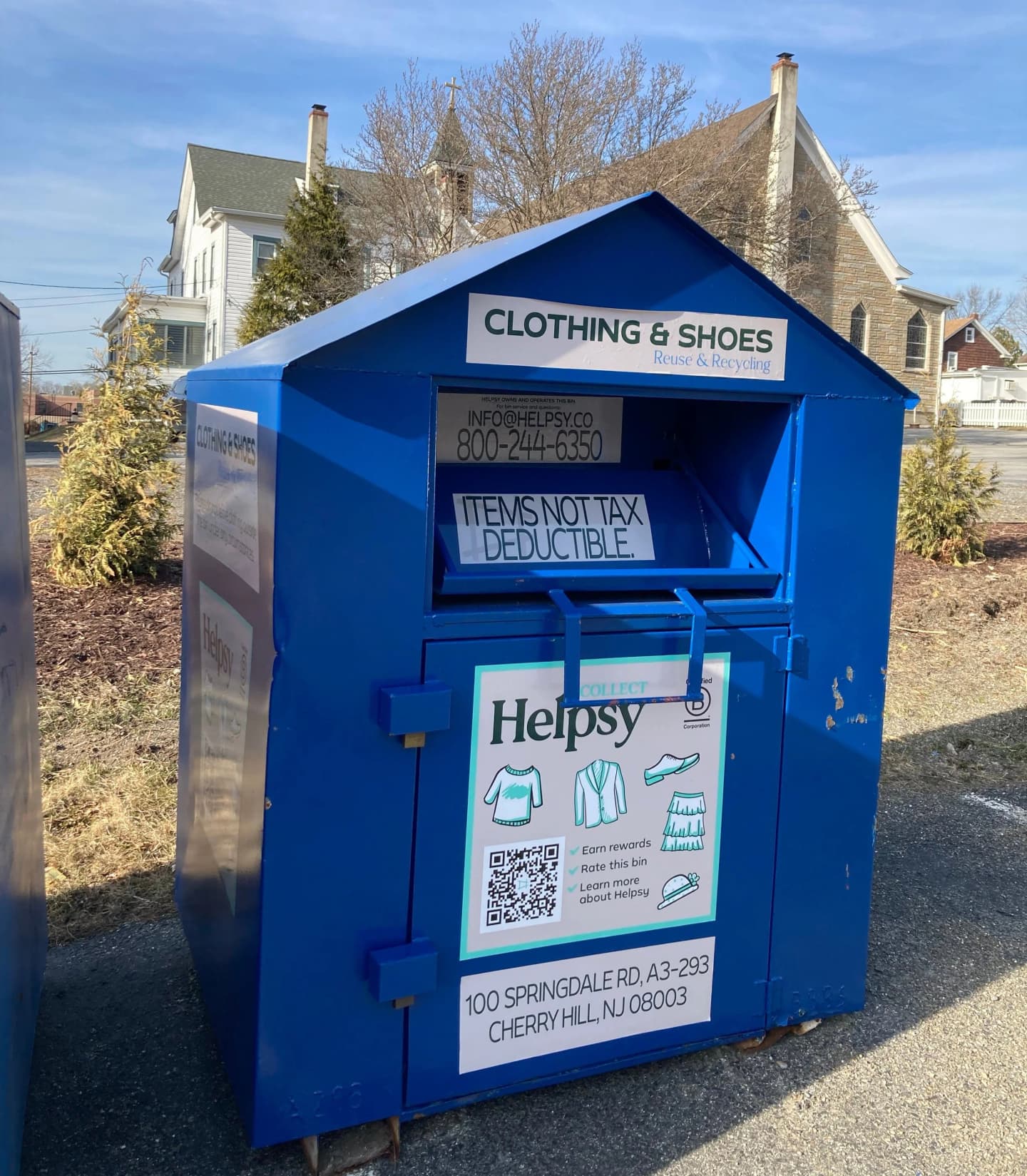
- "Recyclable": "the FTC seeks comments on whether it should change the current threshold that guides marketers on when they can make unqualified recyclable claims, as well as whether the Guides should address in more detail claims for products that are collected (picked up curbside) by recycling programs but not ultimately recycled." — relevant to clothing take-back and recycling claims, since a garment placed in a collection bin is not necessarily turned into new material.
- "Recycled content": comments were requested on "whether unqualified claims about recycled content – particularly claims related to “pre-consumer” and “post industrial” content – are widely understood by consumers, as well as whether alternative methods of substantiating recycled content claims may be appropriate." — the distinction between mill scraps and previously used garments.
- Additional guidance: "the need for additional guidance regarding claims such as “compostable,” “degradable,” ozone-friendly,” “organic,” and “sustainable, as well as those regarding energy use and energy efficiency." — wording that also appears on fiber blends and packaging.
What the 2022 release does and does not establish
Two limits are worth stating plainly. First, the December 14, 2022 announcement documents the opening of a review; a Commission vote approving the Federal Register notice was 4-0, and the release does not say any updated Guides had been adopted. Second, the FTC's position at that time was that updates would follow from the review: Bureau of Consumer Protection Director Samuel Levine said, "We look forward to this review process, and will make any updates necessary to ensure the Green Guides provide current, accurate information about consumer perception of environmental benefit claims." Readers should treat the 2012 Guides as the operative version unless a later, dated FTC action says otherwise, because agency guidance and thresholds can change over time.
How to check the current status
Anyone relying on a specific claim term should verify the current state of the Guides directly, since review procedures and their outcomes change. The FTC noted that "The notice has been published in the Federal Register," which is the official record of the comment request, and that "A list of recent cases brought relating to topics covered by the guides can be found on the FTC's website" — a way to see how the agency has applied the Guides in practice. Checking the FTC's Green Guides pages on ftc.gov and the Federal Register for dated notices will show whether the review has produced updates to the guidance since the December 14, 2022 announcement.
From the source
Written from the pages listed above and checked by the editors. Spotted a mistake? Write to us: corrections keep the address and the first publication date.
Read next
More in LabelsWhat KEEN's 'PFAS-Free Since 2018' Claim Covers — As the Brand States It
KEEN says it has been PFAS-free since 2018, after a four-year elimination effort that began in 2014. This brand program profile explains what the claim covers, the policy framework the brand points to, and what a reader should keep in mind — all as KEEN states it, not as independently verified fact.
Labels·Brand program··4 min
Fair Trade Certified on Patagonia Clothing: How the Brand Says Its Premium-and-Worker-Fund Program Works
A brand program profile: what Patagonia says Fair Trade Certified means on its clothing, how the brand says its premium and worker-run Community Development Fund work, and the figures it reports — all attributed, with limits.
Labels·What the rule saysUS··6 min
What the Rule Says (US): The FTC's Made in USA Labeling Rule (16 CFR Part 323) — What the "All or Virtually All" Standard Means on Clothing and Other Products
The FTC's "all or virtually all" standard for unqualified Made in USA claims, now codified at 16 CFR Part 323, what qualified claims look like, and how this voluntary marketing rule sits alongside the separate mandatory country-of-origin labels required for textile and wool products.