Labels, Claims & Rights·What the rule saysUS
What US Warranty Law Means When You Buy Clothes and Shoes
The FTC's consumer guidance explains what a warranty is under US law: written and spoken promises, implied warranties that can last up to four years in some states, why service contracts are different, and what to do when a product fails. Here is how that guidance maps to buying clothes and footwear.
Contents
When you spend real money on boots, a coat, or jeans that are supposed to last, the word "warranty" comes up fast: brand coverage against defects, a seller's assurance at the counter, a service plan offered at checkout. Under US law these are not the same thing, and the Federal Trade Commission's consumer advice on warranties sets out how they differ and what protections they carry. A warranty, in the FTC's framing, is a promise to stand behind the product — and whenever there is a warranty, the law says it must be available for you to read before you buy, in a store or online.
This explainer walks through the kinds of warranties the FTC describes — written, spoken, and implied — plus service contracts, record-keeping, and what to do when a covered product fails, as those pages were captured in July 2023. The FTC's own examples lean toward cars and appliances, so the clothing and footwear applications here are kept general.
What a written warranty covers — and what it skips
Most major purchases like cars and home appliances come with a written warranty, and the FTC suggests reading the details before choosing one product over another. Clothing and footwear are not the FTC's own examples, but as an editorial extension the same questions can be worth asking of a warranty on a pair of boots or a down jacket as of one on an appliance:
- Length of coverage: does the warranty run for a set time, or expire after a certain amount of use? The FTC gives mileage as an example of a limit, but the same question — what clock the warranty runs on — applies to time-based coverage on garments and footwear.
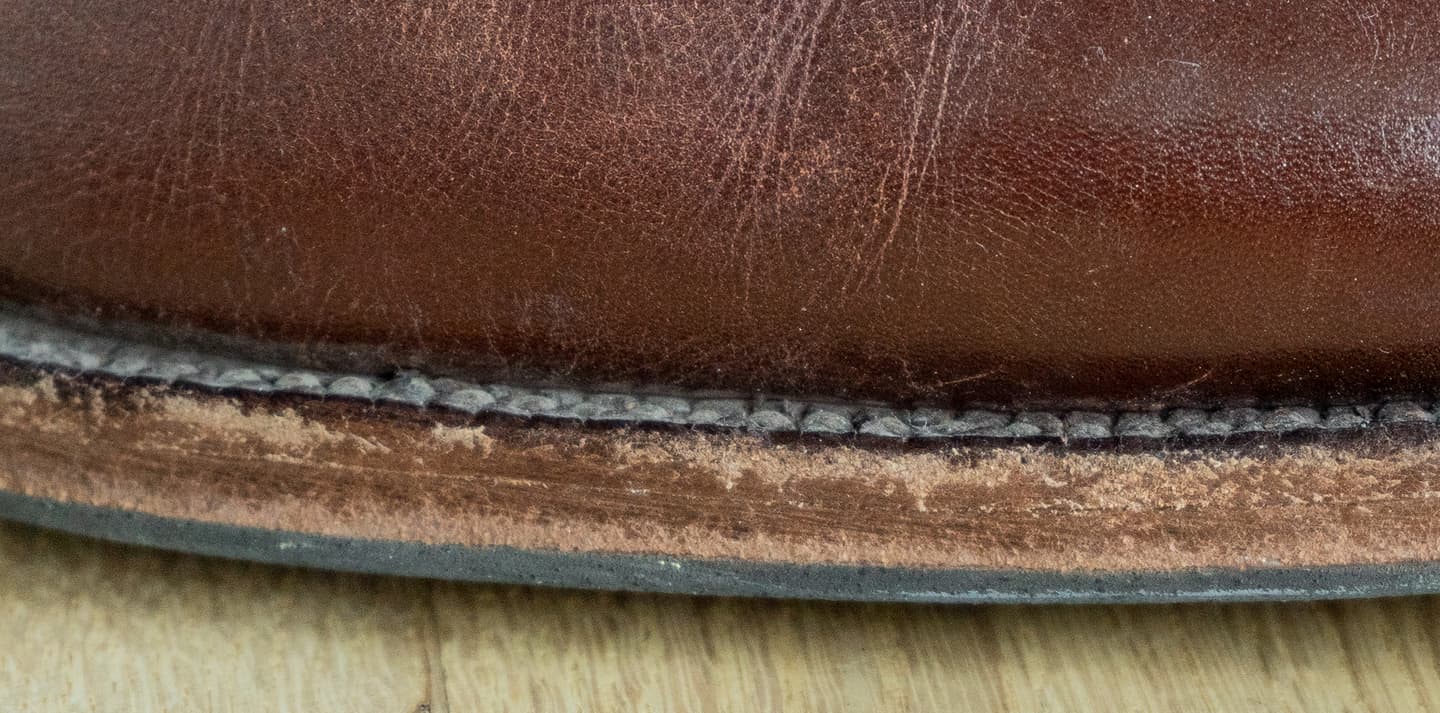
- Coverage: a warranty does not necessarily cover all situations or repairs. If specific parts or repairs are not listed as covered, the FTC says to assume they are not. A shoe warranty covering a split seam, for example, hypothetically, will not necessarily cover a sole worn down by heavy use.
- Remedy: check what the company will do if the product fails — repair, replace, or refund.
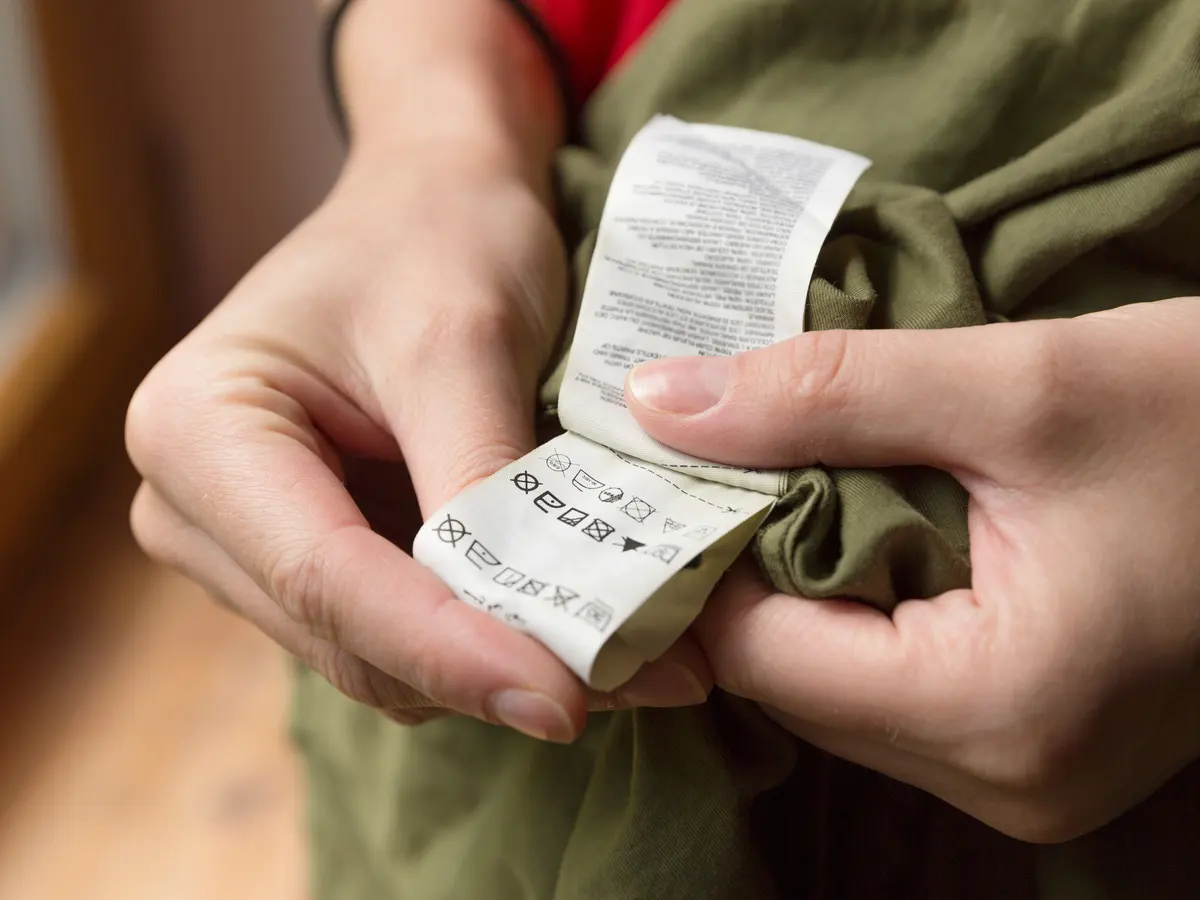
- Exclusions for misuse: some coverage applies only when the product is maintained and used according to the directions, which matters a great deal for garments with specific care instructions.
- The claims process: do you contact the manufacturer or return to the original seller, and do you pay for labor or shipping? And note one thing about registration: sometimes you have to return a product registration card first to qualify for warranty service.
- Parts and services: federal law says a manufacturer cannot require you to use its specific parts or services to keep warranty coverage unless those parts and services are free, or the manufacturer has an FTC waiver for that requirement.
- The company behind the promise: the FTC suggests searching the company's name along with "complaint" or "review," or checking with your local or state consumer protection office.
- Records: save a copy of the warranty (print or download it if you shopped online) and keep the receipt with it, since the receipt proves the purchase date and that you are the original owner.
Spoken promises: get them in writing
If a salesperson promises something out loud — for example, that the store will handle free repairs or take the item back if a seam fails — the FTC is direct about what to do: get the promise in writing. A business might later refuse to perform a service if the promise is not written down. This applies the same way to a floor associate's assurance about a pair of sneakers/trainers as to any other spoken claim; until it is in writing, it is hard to hold anyone to it later.

Implied warranties: the coverage you never see
Separate from anything written or spoken, laws in every state create implied warranties — unspoken promises — that, per the FTC, cover almost everything you buy. Two common ones matter for clothing and shoes. A warranty of merchantability means the seller promises the product will do what it is supposed to do: the FTC's example is that a toaster will toast. A warranty of fitness for a particular purpose applies when you buy based on a seller's advice that a product is right for a specific job — the FTC's example is a seller saying a sleeping bag is good for zero-degree weather. Applied to apparel, the second comes into play when you buy on the strength of a seller's recommendation that a jacket or boot suits a specific use.
Implied warranties apply even when there is no written warranty, unless the seller gives written notice that there is no warranty, or marks the product "as is," where state law allows that. They can also cover problems a written warranty does not, and the FTC notes they last as long as four years in some states — with the caveat that duration varies, and that a lawyer or a state consumer protection office can tell you more about coverage where you live.
Service contracts are not warranties
When you buy a car, home, or major appliance — the FTC's original framing — a seller may offer an extended warranty or service contract. When you are buying clothing or footwear, a comparable offer may come up as an editorial application of the same idea, but the FTC's statement is about those big-ticket purchases. The FTC is clear that these contracts are different from the warranty that may automatically come with a product: they cost extra and are sold separately. They cover repairs and/or maintenance for a set amount of time — and, importantly, a warranty may cover the same repairs for the same time. The FTC's advice is to read more about extended warranties and service contracts before buying one, which is worth remembering before paying extra for "protection" on an item that is already covered.
When a covered product fails
If a product has a problem, the FTC's steps are: contact the seller first, and if the seller does not resolve the problem, write to the manufacturer — the warranty should list the manufacturer's address. Send the letter by certified mail with a return receipt so you can prove the company got it. Be aware that a company may have the right to fix the product before it refunds your money. There is also this protection: if you report a defect during the warranty period and the product is not fixed properly, the company must correct the problem even if the warranty expires before the fix happens. If the company will not resolve the issue after you have tried, the FTC says to report it at ReportFraud.ftc.gov and to your state attorney general.
To check any of this against a purchase you are making, read the seller's written warranty before you buy, ask for spoken promises in writing, and keep the warranty and receipt together. For implied warranty coverage — including how long it lasts in your state — the FTC directs consumers to a lawyer or a state consumer protection office, whose contact details are easy to find through your state government's site. The FTC's warranty guidance itself carries a July 2023 date, so treat terms as current rather than permanent and reread the actual warranty text on any product you buy today.
From the source
Written from the pages listed above and checked by the editors. Spotted a mistake? Write to us: corrections keep the address and the first publication date.
Read next
More in LabelsLabels·What the rule saysUS··4 min
What the Rule Says (US): The FTC Green Guides and the Open Review of Environmental Marketing Claims, December 2022
A dated explainer of the US Federal Trade Commission's Green Guides for environmental marketing claims: what they are, how they apply to wording like "recyclable," "recycled content," "compostable" and "sustainable," and the status of the FTC's public review as announced on December 14, 2022.
What KEEN's 'PFAS-Free Since 2018' Claim Covers — As the Brand States It
KEEN says it has been PFAS-free since 2018, after a four-year elimination effort that began in 2014. This brand program profile explains what the claim covers, the policy framework the brand points to, and what a reader should keep in mind — all as KEEN states it, not as independently verified fact.
Labels·Brand program··4 min
Fair Trade Certified on Patagonia Clothing: How the Brand Says Its Premium-and-Worker-Fund Program Works
A brand program profile: what Patagonia says Fair Trade Certified means on its clothing, how the brand says its premium and worker-run Community Development Fund work, and the figures it reports — all attributed, with limits.