Labels, Claims & Rights·What the rule saysEU
What the Rule Says (EU): The Revised Waste Framework Directive and Mandatory EPR for Textiles and Footwear — In Force 16 October 2025
The EU's targeted revision of the Waste Framework Directive entered into force on 16 October 2025, introducing common EU-wide rules for extended producer responsibility (EPR) schemes for textile and footwear products. Producers will pay a fee for each item they place on the market, with fees eco-modulated based on sustainability criteria such as durability and recyclability, drawing on criteria developed under the Ecodesign for Sustainable Products Regulation. The revision also sets new rules for how separately collected textiles must be treated and sorted. Member States have 20 months to transpose the Directive and 30 months to establish their EPR schemes, so the direct effects on shoppers will arrive gradually as national laws change. This explainer summarizes what the rule says, in the Commission's own words, and how the reader can track implementation.
Watch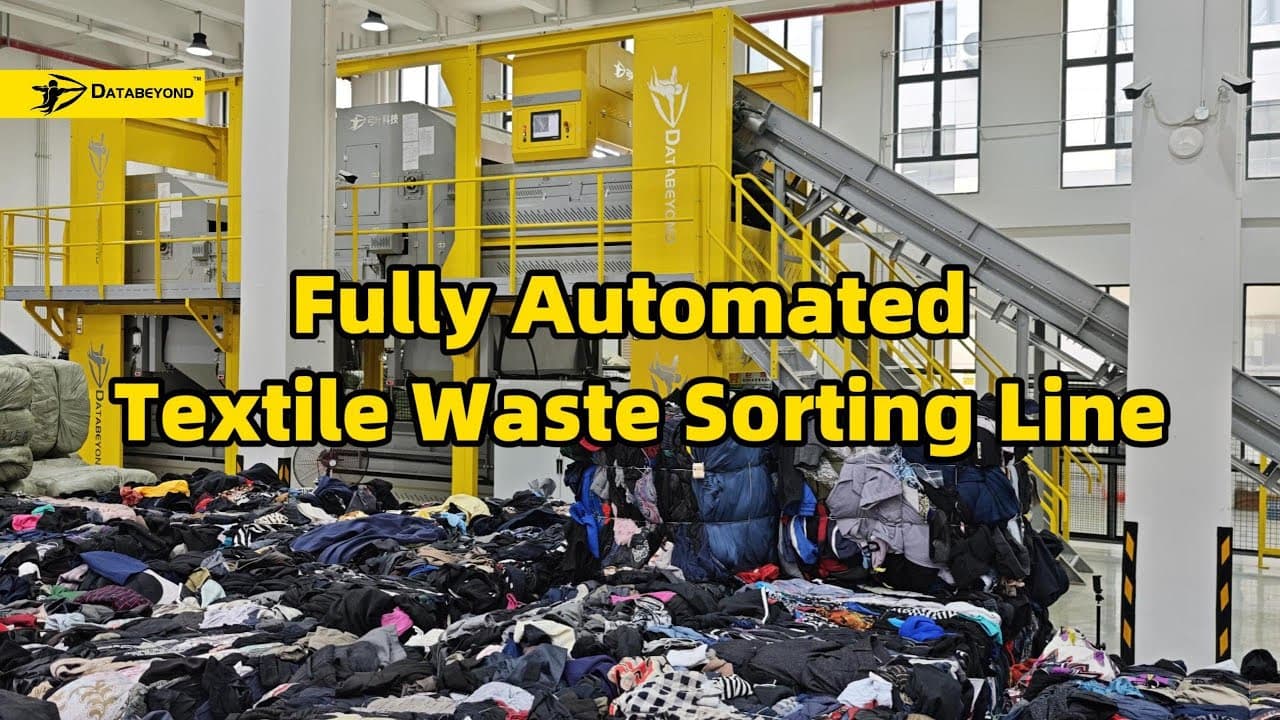 FULLY AUTOMATED TEXITLE WASTE SORTING LINE #textilewaste #sortingmachine #textilerecycling
The recording belongs to DataBeyond, not to this publication, and it plays from YouTube: opening it lets YouTube see the request.Watch on YouTube instead.
Contents
On 16 October 2025, the European Commission announced that the targeted revision of the Waste Framework Directive entered into force. The revision introduces common rules for extended producer responsibility (EPR) for textiles and footwear across all EU Member States, alongside binding food waste reduction targets that are outside the scope of this article. According to the Commission's news announcement, all Member States must set up their own EPR scheme for textiles and footwear following rules that apply at EU level, with deadlines for transposing the Directive and establishing the schemes.
The Commission frames the revision as delivering on its commitment under the EU Strategy for Sustainable and Circular Textiles, which set out the intention to introduce mandatory and harmonised EPR rules for textiles in all Member States and, in the Commission's words, to incentivise producers to design more sustainable products. The revised Directive, per the Commission, is meant to bring about a more circular and sustainable management of textile waste.
What extended producer responsibility means
EPR is not a new invention of the 2025 revision. The Waste Framework Directive, which entered into force on 12 December 2008, already introduced the concept: producers of products bear financial — or financial and organisational — responsibility for managing the waste stage of a product's life cycle. The 2008 framework also confirms the polluter-pays principle, under which the original waste producer must pay for the cost of waste management. What the 2025 revision does is apply this concept to textiles and footwear in all Member States, each setting up its own scheme.
Under the new schemes, producers pay a fee for each product they place on the market. According to the Commission's announcement, that fee finances textile collection schemes and the management of the collected textiles — providing for their re-use, preparing for re-use, recycling and disposal. The Commission also states that the fees will be used to inform consumers about sustainable textiles and footwear and to support research and development on product design, waste prevention and waste management operations.
Eco-modulation: fees tied to durability and recyclability
The fee is not flat. The revised Directive eco-modulates EPR fees: they are adjusted based on sustainability criteria, considering factors such as durability and recyclability, such as the criteria developed under the Ecodesign for Sustainable Products Regulation (ESPR). According to the Commission, this approach links the cost producers pay for EPR to the sustainability of their textiles, thus encouraging them to design more circular and environmentally-friendly products.
New rules for separately collected textiles
The revision also changes how textiles that households and others place into separate collection must be handled. According to the Commission's announcement, all separately collected textiles will be considered waste, ensuring a uniform interpretation across Member States of what constitutes waste versus used textiles, and Member States must ensure that they undergo sorting operations before any possible shipment, to prevent waste from being falsely labelled and exported as reusable. If textiles are not sorted, they fall under the Waste Shipment Regulation.
The revision includes one carve-out the Commission highlights: social economy enterprises engaged in second-hand textile collection and management are exempt from EPR obligations. Under the new rules they may operate their own collection systems and have their textile waste managed at no cost by Producer Responsibility Organisations.
Timeline and how it reaches your wardrobe
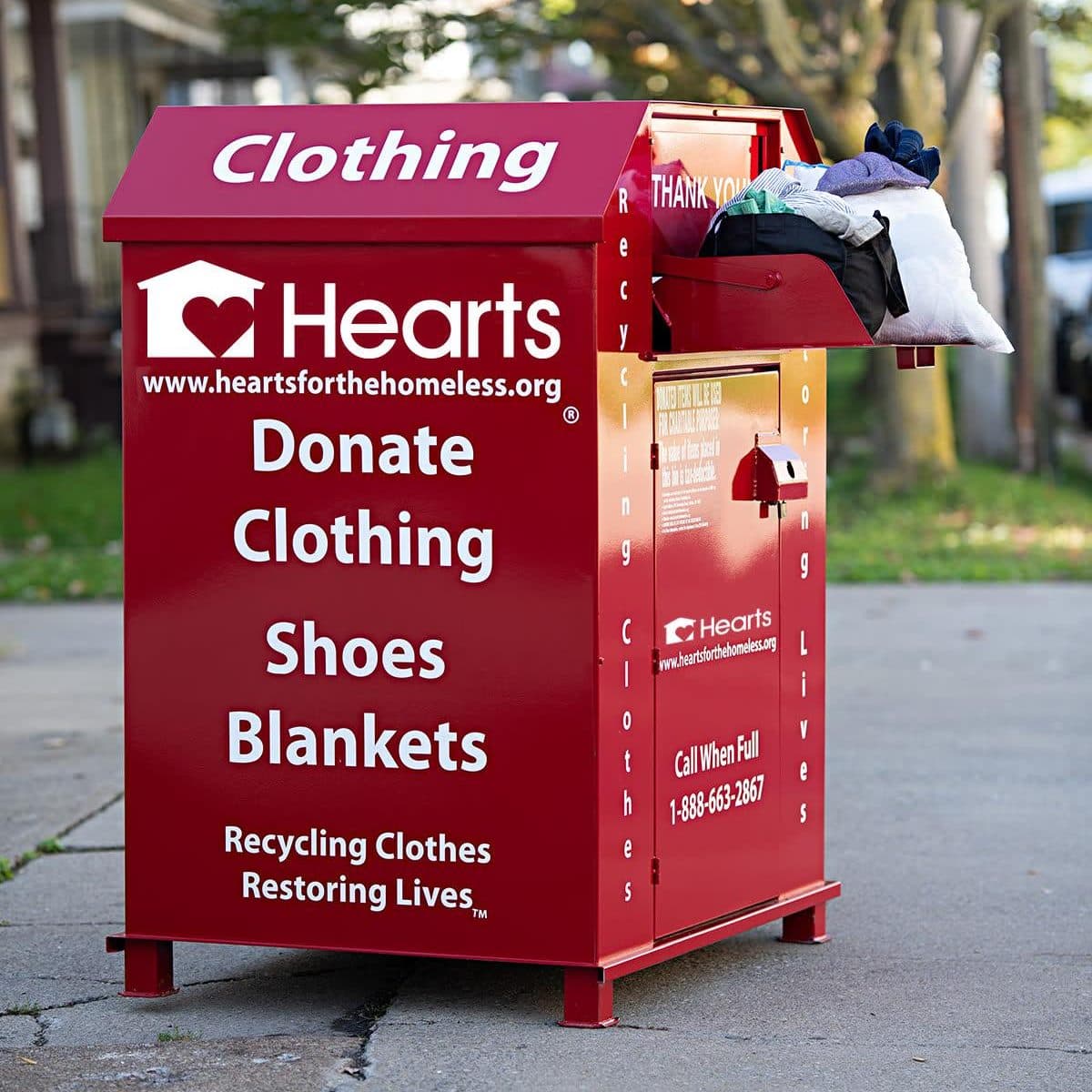
The effects are phased: Member States have 20 months to transpose the Directive into national law and 30 months to establish their EPR schemes for textile and footwear products. The schemes' fees, as the Commission states, will finance collection schemes and the management of collected textiles — for example, hypothetically, the kind of collection a clothing bank or collection bin feeds into. The Commission gives one figure for the scale of the task: about 12.6 million tonnes of textile waste were generated in the EU in 2019, of which only one-fifth was separately collected for reuse or recycling.
A few practical checks for the reader as the timelines run:
- Look up whether your Member State has transposed the revised Directive and published its national EPR scheme details — national environment ministries and consumer agencies will announce the steps and deadlines as they apply them.
- Check the Commission's Waste Framework Directive page and DG Environment news feed for dates and updates, since implementation steps and any guidance may change.
- When a national scheme is in place, a brand's contribution to it will be a producer fee, not a label on the garment — so do not expect a new care label; if a brand describes the scheme, treat it as the brand's own statement and check it against the scheme's official rules.
To check the result yourself, read the Commission's news announcement of 16 October 2025 and the Waste Framework Directive topic page cited above, and watch your national environment ministry or consumer agency for the transposition and scheme-establishment steps laid out in this article.
From the source
Written from the pages listed above and checked by the editors. Spotted a mistake? Write to us: corrections keep the address and the first publication date.
Read next
More in LabelsLabels·What the rule saysUS··6 min
What US Law Requires on Clothing Labels: Fiber Content, Country of Origin and Dealer Identity Under the Textile and Wool Acts
Under the US Textile and Wool Acts, most textile and wool products sold in the United States — per the FTC's guidance — must carry a label listing fiber content, country of origin and the manufacturer or dealer identity. This explainer walks through what the FTC requires, what the exceptions are, and how a shopper can check a label's claims.
Labels·What the rule saysUK··5 min
What the Rule Says (UK): The CMA Undertakings From ASOS, Boohoo and George at Asda on Green Claims in Fashion
In March 2024 the UK's Competition and Markets Authority accepted formal undertakings from ASOS, Boohoo and George at Asda on how they label and promote environmental claims. Here is what the brands agreed to, the legal status of that agreement, and what shoppers can check for themselves.
Labels·What the rule saysEU··4 min
What the Rule Says: The EU Ban on Destroying Unsold Clothes, Shoes and Accessories from 19 July 2026
From 19 July 2026, EU rules under the Ecodesign for Sustainable Products Regulation prohibit large companies from destroying unsold apparel, clothing accessories and footwear, with medium-sized companies following in 2030 and small and micro-businesses exempt. Destruction remains permitted only in limited cases — unsafe or damaged items, counterfeits and intellectual-property infringements, or items rejected by charities — when companies provide proof and publish annual reports. National authorities enforce the ban with fines, and companies must keep records for five years. Here is what the rule covers, what it does not, and how to verify it.