Anatomy of a Pair of Jeans: What Levi's Own Glossaries Say the Denim Terms Mean — Weave, Rivets, Stitching and Rise
A brand-attributed explainer of the vocabulary of jeans construction, drawn from Levi's own pages: how the twill weave and warp-and-weft yarns work, what rivets, shank buttons, bartacks, topstitching, the J-stitch fly and the yoke are, and how rise is defined. Everything here is what the brand says, not an independent standard.
Watch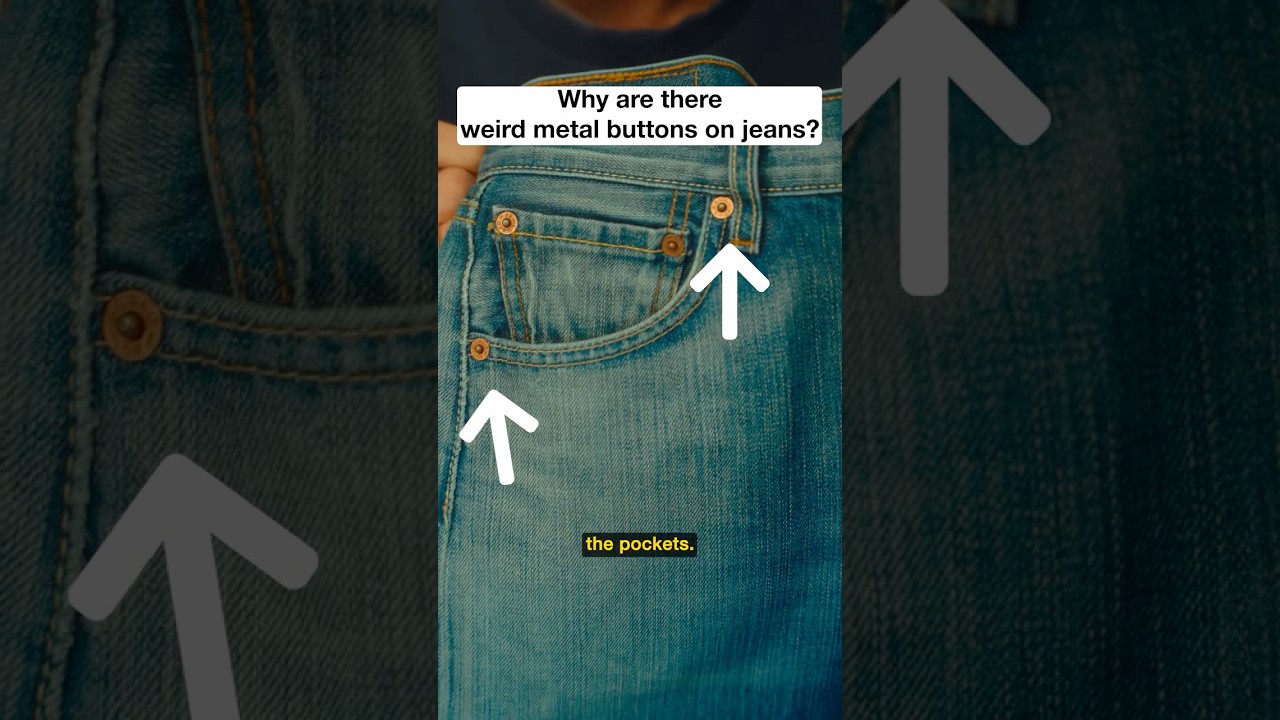 They look like decoration, but they’re why jeans exist. Behind those buttons on your jeans...
The recording belongs to Fineas Jackson, not to this publication, and it plays from YouTube: opening it lets YouTube see the request.Watch on YouTube instead.
Contents
Jeans come with their own vocabulary, and much of it is defined by the brands that make them. Levi's publishes two US glossaries — its "Complete Guide to Denim Terminology" on the Off The Cuff blog and its Denim Dictionary — in which the brand explains the fabric, hardware, stitching and garment anatomy of jeans in its own words. This explainer walks through those definitions, staying inside what Levi's actually says, so you can read a care label, a product description or a repair listing and know which term points to which part of the garment.
One caveat up front: these are the brand's self-descriptions, not an independent textile standard, and the two glossaries do not always agree with each other. Take them as Levi's shorthand, which is useful for understanding Levi's product pages and useful as a first pass at construction terms generally.
The fabric: warp, weft and twill
In the Off The Cuff glossary, Levi's defines warp and weft as "the two basic components of woven fabrics" — the warp being the lengthwise yarns held under tension on the loom while the weft yarns run over and under them. On the jeans you are wearing, the brand explains, the warp runs vertically. Denim is a twill, and Levi's describes the classic structure as "a traditional over three, under one weave pattern" that creates the diagonal texture. The twill is also why denim looks different front and back: the brand says the warp yarn on the face is usually indigo-dyed while the undyed weft yarn shows on the inside. To spot that diagonal, Levi's points to the fabric surface — denim is "a twill that travels at a consistent diagonal," while herringbone is a broken twill in which the diagonal switches direction back and forth.
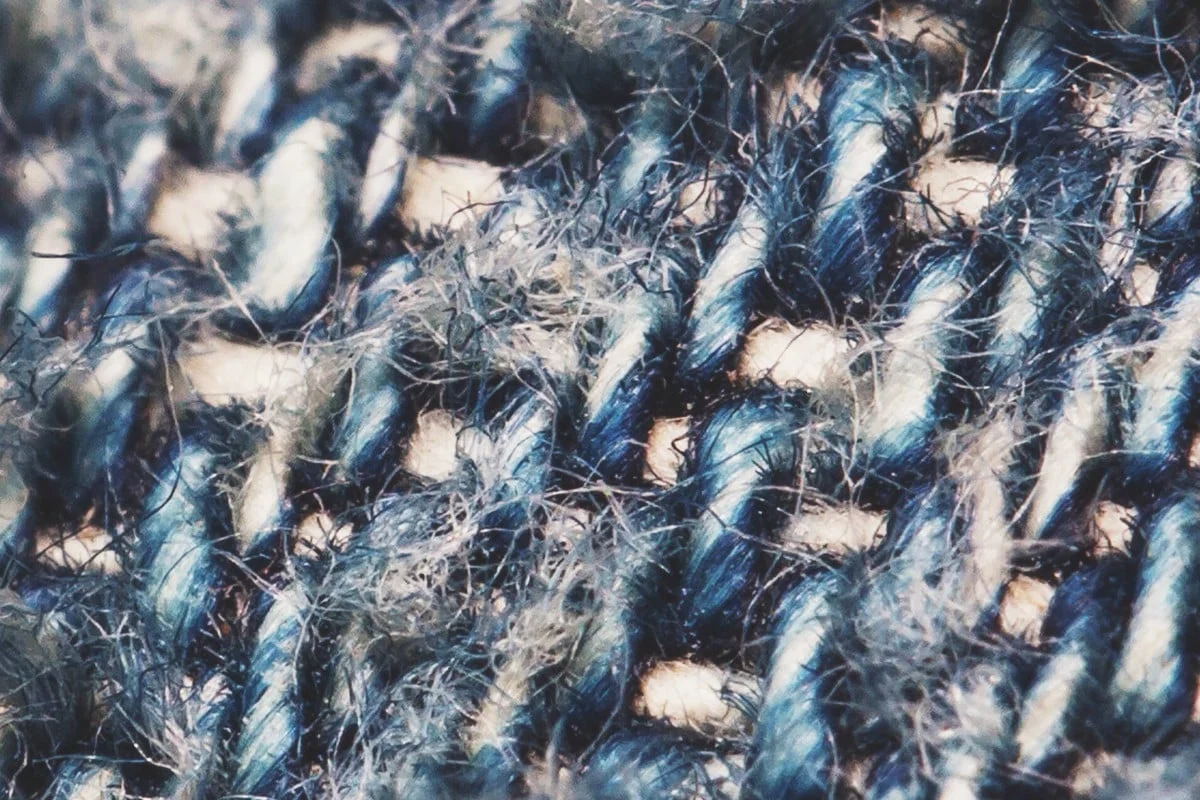
On stretch denim, the Off The Cuff glossary says the elastic content sits in the weft: Levi's writes that stretch denim "incorporates 1 to 3% elastane (also known as spandex or Lycra) into the weft yarns to allow the garment to stretch and recover as you move." The Denim Dictionary, on its own page, gives the corresponding fabric definition: stretch denim is "made with a blend of cotton and Elastane (a.k.a. Spandex) for increased comfort and recovery."
The hardware: rivets and shank buttons
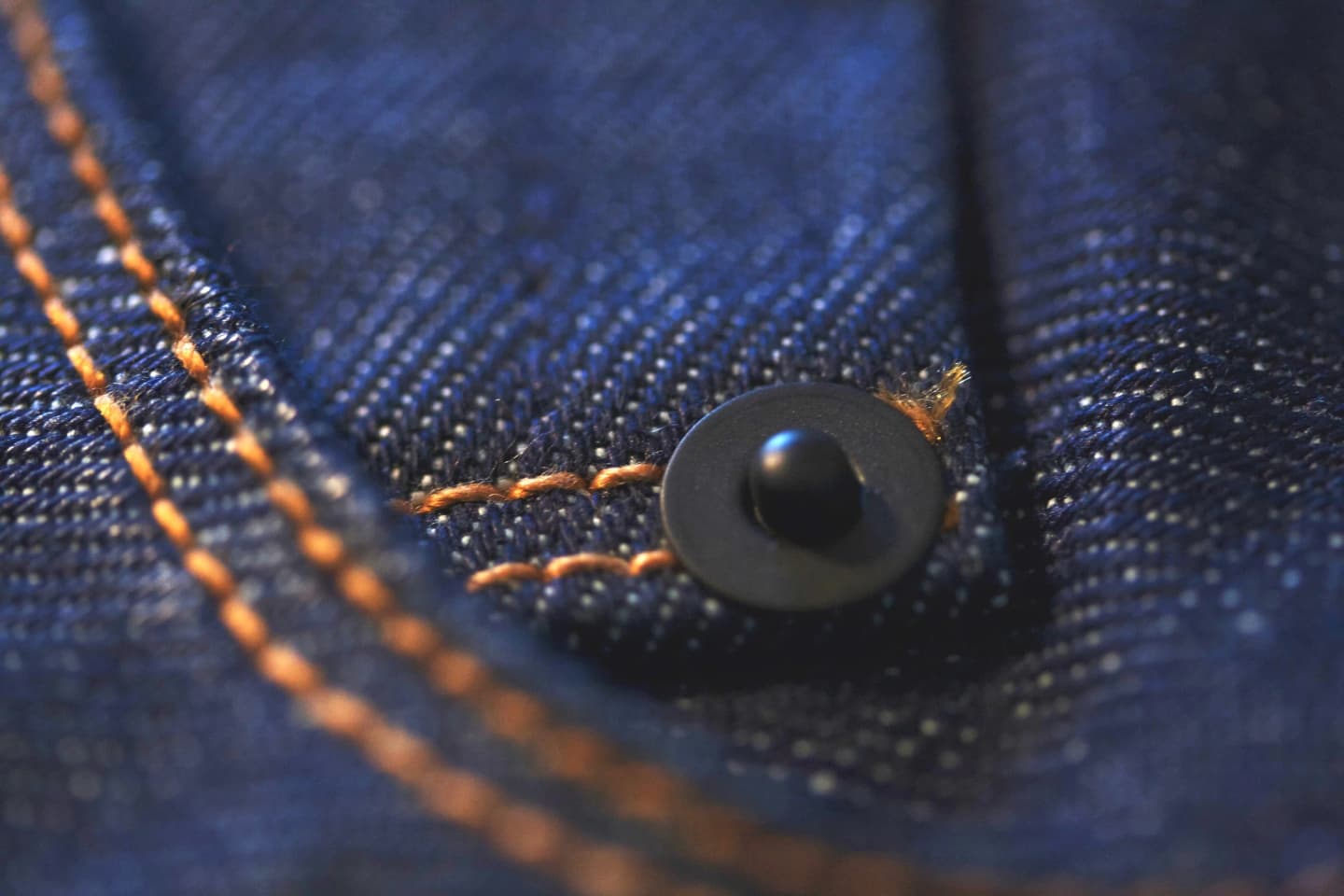
Rivets are the small metal reinforcements Levi's credits with the birth of the blue jean. In the brand's telling, the first riveted work pants "were patented on May 20, 1873 by Levi Strauss & Co. and Jacob Davis," and the copper rivets on its 501 jeans are meant to reinforce the pockets. Shank buttons are the closure buttons on a button fly: Levi's explains that they sit slightly away from the fabric and are set by a die that pierces the denim and clamps the pieces together.
The stitching: topstitching, felled seams, bartacks and the fly
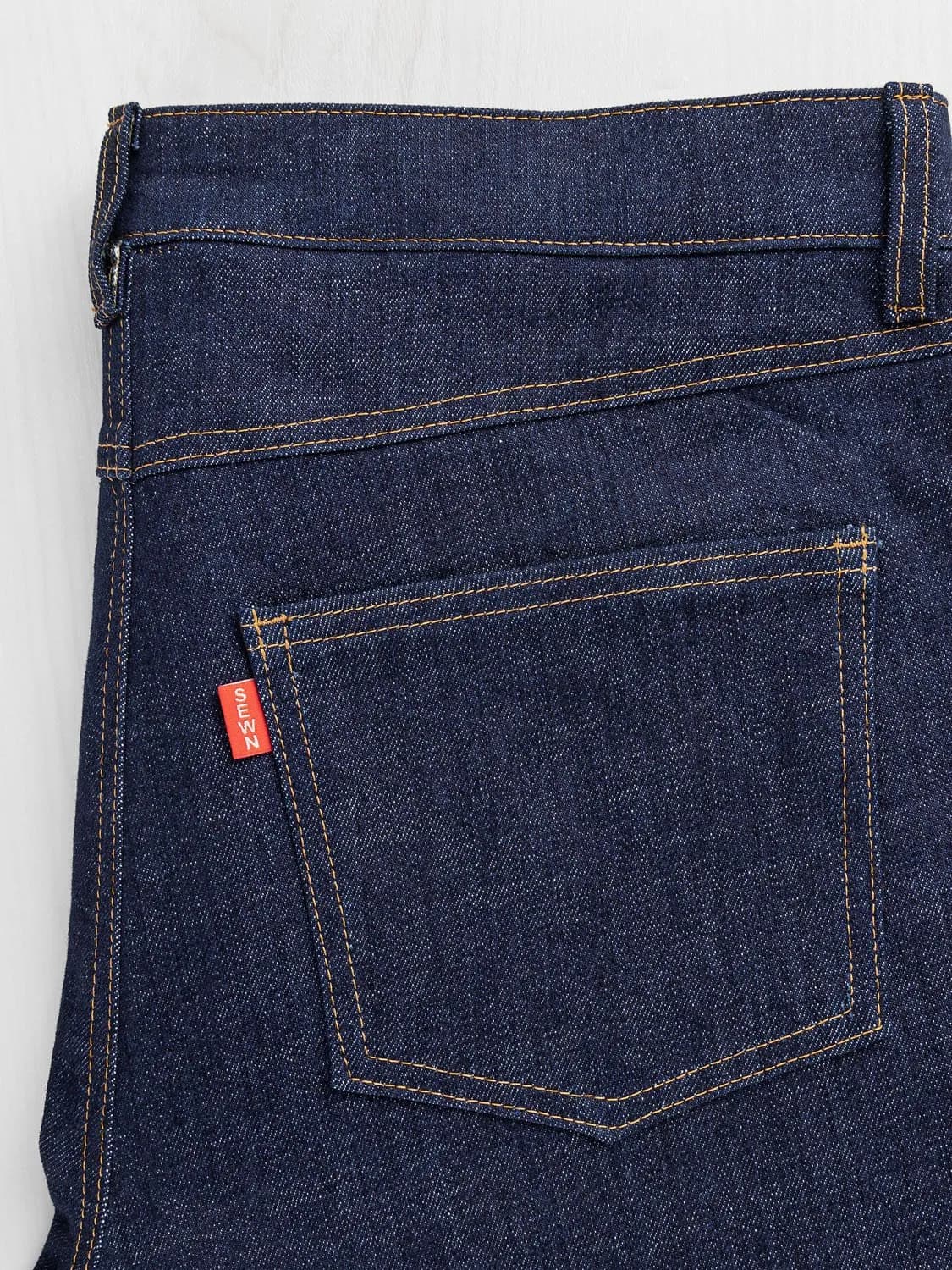
Levi's describes topstitching as any visible stitching on the outside of the garment — the traditional orange or gold thread on jeans, which the brand calls both decorative and structural. Topstitching pairs with the double flat felled seam, in which "the edges of the fabric fold under one another and are hidden from view," held flat by two rows of stitching; Levi's says this construction adds strength because fewer edges are exposed to fraying. Bartacks are tight zigzag stitches reinforcing stress points such as belt loops and pocket corners — and, as a wartime note, the brand says it used bartacks instead of rivets during World War II to conserve metal. At the fly, the J-stitch is the pattern shaped like the letter J, often double topstitched, which lets buttons sit behind a continuous denim panel.
The garment: yoke, rise, pockets and fades
The yoke, in Levi's definition, is "the section of a jean directly under the waistband — the yoke is where the fit happens." Rise is where the two glossaries diverge. The Off The Cuff glossary defines it as "the distance from the crotch point (where all four fabric panels meet) to the top of the waistband" and says it determines where the pants sit on your body: high-rise jeans sit near or above your natural waist, low-rise on or below the top of your hips, and mid-rise in between. The Denim Dictionary instead phrases it as "the measurement up the center of a pair of pants, from the inseam to the waist," listing high rise, mid rise and low rise as common styles.
The five-pocket layout is described as the traditional construction — two back pockets, two front pockets and the small right-side pocket, originally the "watch pocket" and now commonly called the coin pocket.
Finally, the fades and whiskers that jeans develop come from the dye itself. Levi's explains that with wear, the top layer of indigo dye sloughs off the warp yarns, creating fades (such as wallet marks), while whiskers are the subtle horizontal lines along the thighs. The brand notes the distinction between the two origins: whiskers "happen naturally over time," but a whiskered finish can also be drawn on with sandpaper before stonewashing to create a worn look from the first wear.
How to check this yourself: open Levi's Off The Cuff glossary and the Denim Dictionary on levi.com and read the entries in full. For any specific pair — for example, hypothetically, a pair with unusual stitching at the fly — rely first on the product page and care instructions the brand provides for that garment, and compare what those pages say with the general definitions above. Definitions and any construction details a brand publishes can change without notice, so treat the page you find today as the current version.
From the source
Written from the pages listed above and checked by the editors. Spotted a mistake? Write to us: corrections keep the address and the first publication date.
Read next
More in MaterialsHow to Care for Birkenstock Cork Footbeds, Leather and Suede: The Brand's Own Heat, Water and Cleaning Rules
BIRKENSTOCK's customer care page spells out how the brand says to treat cork footbeds, leather, suede, nubuck and Birko-flor uppers: avoid concentrated heat and prolonged soaking, re-seal drying cork edges, and clean the footbed with the brand's named products — with the brand's own caveat that any treatment can change the look and finish of the materials.
Materials·Brand program··4 min
What the GORE-TEX Membrane Actually Is: Gore's Own Explanation of ePTFE, and What the GUARANTEED TO KEEP YOU DRY Promise Is Tied To
A brand-attributed explainer of the GORE-TEX membrane: what expanded PTFE is, how Gore describes its microporous structure, what the laminate is, and which product ranges Gore ties its waterproof promise to — including the INFINIUM range the brand markets for drier conditions.
Why Sock Makers Blend Merino Wool with Nylon and Spandex: What Darn Tough Says About Durability, Fit and '100% Merino' Claims
A 100% Merino wool sock sounds like the top of the range, but Darn Tough – a brand that knit Merino socks – argues otherwise. We walk through the brand's own explanation of yarn blends versus garment composition, why it adds nylon in high-wear zones and Lycra spandex for fit, and what its example fiber breakdowns (48/45/7 and 61/36/3) suggest about reading a sock's label. All durability and comfort claims here are the brand's, not independent test results.