How to Care for Birkenstock Cork Footbeds, Leather and Suede: The Brand's Own Heat, Water and Cleaning Rules
BIRKENSTOCK's customer care page spells out how the brand says to treat cork footbeds, leather, suede, nubuck and Birko-flor uppers: avoid concentrated heat and prolonged soaking, re-seal drying cork edges, and clean the footbed with the brand's named products — with the brand's own caveat that any treatment can change the look and finish of the materials.
Contents
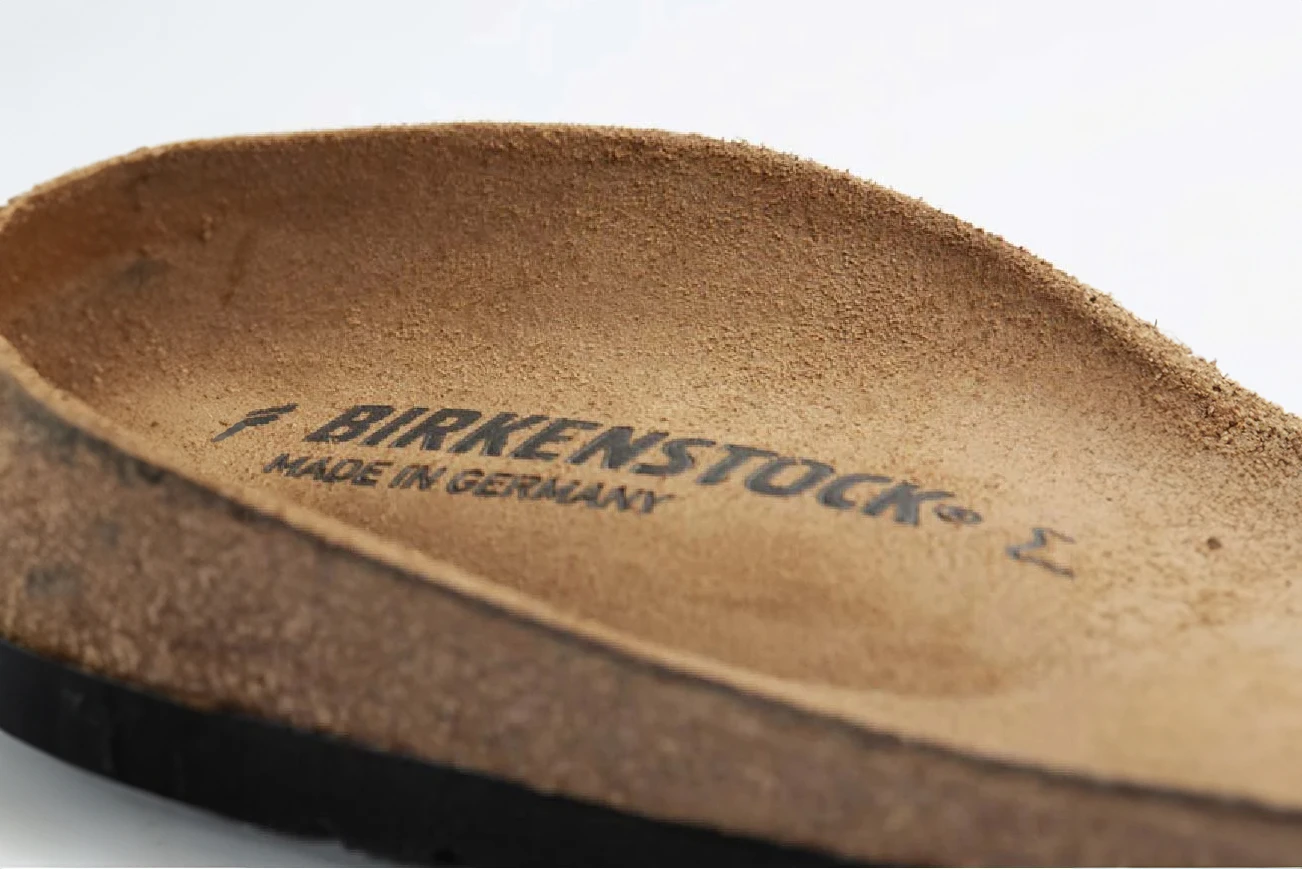
Cork footbeds are a distinctive feature of BIRKENSTOCK footwear, and the brand's care page covers how to look after them. According to the company's customer care tips, Birkenstock sandals and clogs come with a light coating of cork sealer on the exposed cork edge, which the brand says protects the cork and prevents it from drying out. If the cork looks like it is drying out, the brand's instruction is to apply a thin coat of its Cork Sealer to protect the cork from the elements.
One of the brand's warnings concerns heat: BIRKENSTOCK says cork footbeds and EVA soles can be damaged by exposure to concentrated heat or extreme temperatures, and the brand names the situations to avoid.
Heat and water: what to avoid
- Do not leave your shoes in direct sunlight for extended periods or in closed cars on hot days.
- Keep Birkenstock footwear away from campfires, fireplaces, and indoor radiators.
- Do not immerse most styles in water; the brand offers a line of water-friendly footwear, but says most styles should not be immersed in water.
- If shoes become wet, allow them to air dry slowly, away from direct heat.
The brand gives a reason for the water warning: over saturation, it says, can compromise the integrity of the sealant materials and can also change the look and finish of the materials. When a pair does get wet, the brand's instruction ends at slow air drying away from direct heat; the care tips do not include repair steps for a pair that has already been damaged. (For replacing a worn footbed entirely, see our separate guide to which models take a replacement footbed and the brand's own steps for that.)
Cleaning the footbed
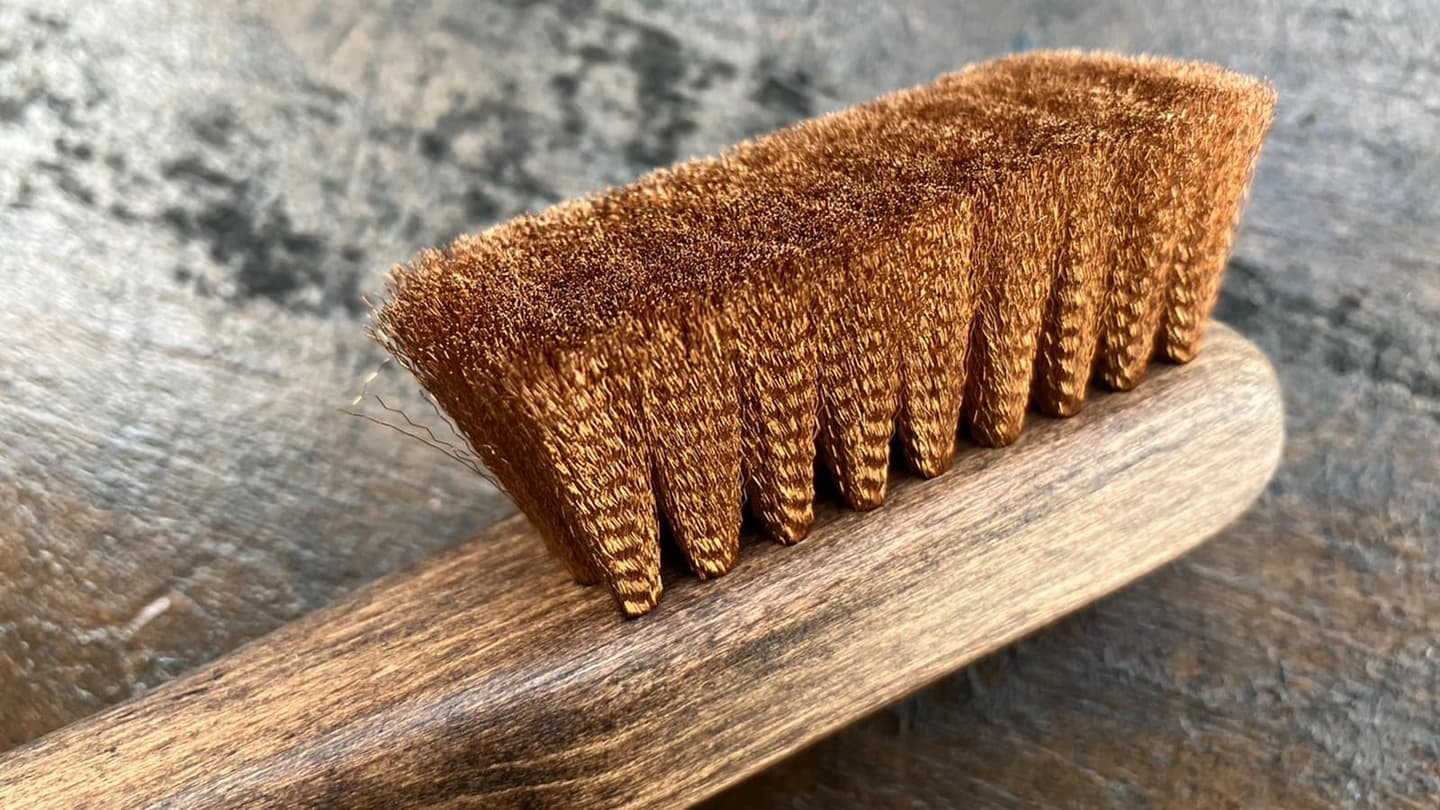
For the cleaning routine, the brand names its own products: spray the entire footbed with the brand's Cleaner & Refresher and wipe away excess moisture and dirt with a cloth, then brush suede and nubuck footbeds with a Nubuck/Suede brush to restore the nap, as BIRKENSTOCK describes it.
Uppers by material
- Leather, suede and nubuck uppers: apply Birkenstock Water & Stain Repellent regularly to protect them from water and dirt, and brush uppers with a Nubuck/Suede brush to pull up dirt and dust and restore the nap.
- Birko-flor and birkibuc uppers: simply wipe clean with a damp cloth; try soap and water to remove stubborn stains.
- Exposed cork: re-seal with a thin coat of Cork Sealer when the edge looks like it is drying out.
The brand's caveat
BIRKENSTOCK attaches one caveat to its whole routine: any cleaning or treatment can change the look and finish of the materials. That applies to the repellents, the cleaners and the cork sealer alike — these are the brand's own products, and the brand notes the caveat rather than promising a particular outcome on every pair. A common precaution some owners use is testing a product on a small, inconspicuous area first, though that step is not one the brand's care tips give.
How to check for yourself
These instructions come from the BIRKENSTOCK care tips page on the brand's US customer service site, as captured on September 19, 2026; care guidance and product names can change, so it is worth re-reading the page under Customer Service on birkenstock.com before you buy a kit or treat a pair. The material of your own uppers is usually named on the shoe's box or product listing, which tells you which routine — leather, suede or Birko-flor — applies to your pair.
From the source
Written from the pages listed above and checked by the editors. Spotted a mistake? Write to us: corrections keep the address and the first publication date.
Read next
More in MaterialsMaterials·Brand program··4 min
What the GORE-TEX Membrane Actually Is: Gore's Own Explanation of ePTFE, and What the GUARANTEED TO KEEP YOU DRY Promise Is Tied To
A brand-attributed explainer of the GORE-TEX membrane: what expanded PTFE is, how Gore describes its microporous structure, what the laminate is, and which product ranges Gore ties its waterproof promise to — including the INFINIUM range the brand markets for drier conditions.
Why Sock Makers Blend Merino Wool with Nylon and Spandex: What Darn Tough Says About Durability, Fit and '100% Merino' Claims
A 100% Merino wool sock sounds like the top of the range, but Darn Tough – a brand that knit Merino socks – argues otherwise. We walk through the brand's own explanation of yarn blends versus garment composition, why it adds nylon in high-wear zones and Lycra spandex for fit, and what its example fiber breakdowns (48/45/7 and 61/36/3) suggest about reading a sock's label. All durability and comfort claims here are the brand's, not independent test results.
What Denim Weight Means — and Why Levi's Own Guides Disagree on the Categories
Denim weight is measured in ounces per square yard, but 'lightweight', 'midweight' and 'heavyweight' are brand-defined shorthand, not standardized terms. Levi's own Denim Dictionary and its Off The Cuff terminology guide draw the category boundaries differently. Here is what the measurement actually describes and how to read it.