What Coolmax Is: The Polyester Fiber in Darn Tough's Synthetic Socks, As the Brand Describes It
Coolmax is a brand of polyester engineered as a breathable, moisture-wicking alternative to wool. This explainer sets out what Darn Tough says about the fiber — how it is made, why the brand knits select Hike and Run socks from it, and the dated EcoMade recycled-content claim — with all comparisons to Merino wool kept as the brand's own position.
Watch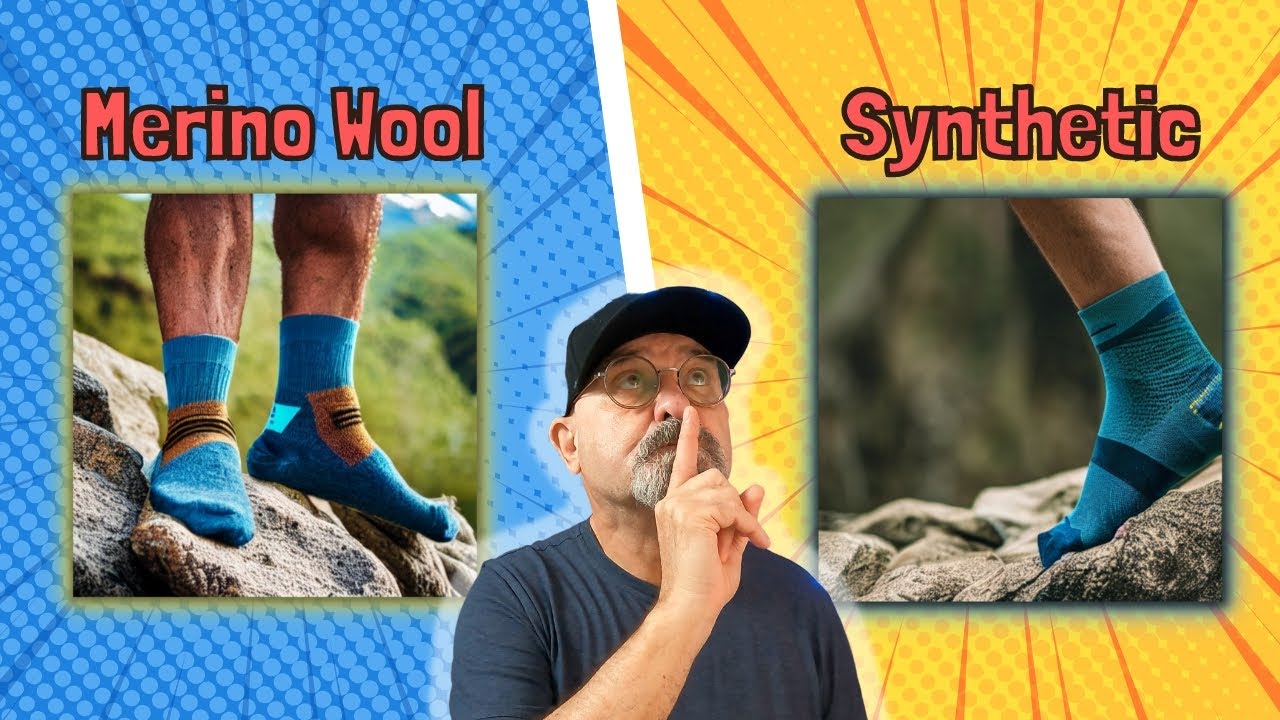 Merino Wool vs Synthetic Hiking Socks
The recording belongs to Phillip A. Towndrow Hikes, not to this publication, and it plays from YouTube: opening it lets YouTube see the request.Watch on YouTube instead.
Contents
If you shop for socks beyond cotton pairs, you have likely seen the name Coolmax on the label. It sounds like a treatment or a coating, but it is neither: Coolmax is a specific brand of polyester materials, and Darn Tough says it offers select styles in its Run and Hike lines as synthetic socks using Coolmax fabric. The brand's own guide, published March 26, 2024, explains what the fiber is, how it is made, and why a brand that says it knits the majority of its socks from Merino Wool also makes socks without it.
The reason a wool-first brand offers a polyester sock is access. Darn Tough states that it wanted a synthetic alternative that mimics Merino so that people who cannot wear wool, or who choose not to wear animal products, could still use its socks and its lifetime guarantee. So Coolmax socks are the brand's vegan, non-wool option, not a claim that the fiber outperforms wool.
How the fiber is made, in the brand's telling
Darn Tough describes Coolmax as a synthetic fabric made from polyester, produced in a melt-and-spin process. The brand's account runs: a clear, bead-like polymer is melted into a liquid and spun to create fibers; the fibers are then stretched, which the brand says increases the usable material and the durability; finally the fibers are woven or knit into fabric or garments. That stretching step is the only part of the process the brand ties to a performance property, and it remains the brand's description of the manufacturing rather than an independent account.
What the brand says the fiber does
Darn Tough positions Coolmax socks as breathable, moisture-wicking, thermoregulating and durable, suited to walking, hiking and running. The brand's central argument is against cotton: in its words, cotton acts like a sponge, while Coolmax dries quickly by wicking moisture away, which the brand says helps keep feet dry and blister-free. These are the manufacturer's claims about its own product — the brand's wording is not an independent test result, and how any sock performs depends on fit, shoe and conditions.

One framing from the brand deserves care: the post dismisses the idea of Coolmax as a summer-only counterpart to Merino, saying both fabrics work well in summer. It also argues in Merino's favor — the brand calls Merino the preferred fiber for those able to use it and says it is more effective at keeping you warm in extreme conditions, has anti-odor properties and lasts longer — and says both fiber types in the brand's range carry the same guarantee. Treat those wool comparisons as marketing positions, not measurements.
The EcoMade claim, with its date
Coolmax is a synthetic fiber, and Darn Tough says it is working toward 100% EcoMade Coolmax in its Coolmax socks. EcoMade Coolmax, per the brand, is made from 97% recycled materials, using recycled plastic bottles and textiles. The recycled-content figure in the brand's post, though, is a snapshot: Darn Tough wrote on March 26, 2024 that it expected its Coolmax inventory to be around 80% EcoMade by the end of 2023, while still working through regular Coolmax inventory. That is a brand forecast tied to that date — it does not tell you what the recycled share is for a pair you buy, so check the product label or the sock's product page for the current description.
How to check before you buy
If a Coolmax pair interests you, a few checks keep the brand's claims in view:
- Read the fiber composition on the product page or the sock label: Coolmax is a polyester fiber brand, and the label should state the fiber content of the pair you are buying.
- Look for whether the specific style is described as EcoMade rather than assuming a recycled content for the whole line — the 80% figure is a dated brand expectation, not a per-pair guarantee.
- Note the care instructions for the synthetic knit before washing; the excerpted brand post gives no washing routine for the fiber.
- If you are choosing between Merino and Coolmax, weigh the brand's stated trade-offs — it calls Merino the preferred fiber for those able to use it, citing warmth in extreme conditions, odor control and lifespan, and offers Coolmax for people who cannot or will not wear wool — against your own skin sensitivity and use.
- For the guarantee and return terms that come with the socks, consult the brand's warranty pages rather than relying on the fiber explainer, which does not set out those terms.
You can verify the substance yourself by reading the brand's Sock 101 post directly and then comparing it with the fiber-composition label on the specific pair you are considering; where the two differ — particularly on EcoMade content — the label on the product in hand is the one that describes what you bought.
From the source
Written from the pages listed above and checked by the editors. Spotted a mistake? Write to us: corrections keep the address and the first publication date.
Read next
More in MaterialsNext-Gen GORE-TEX and the ePE Membrane: What 'PFAS-Free' and 'Reduced Carbon Footprint' Mean on the Label — As Gore Describes It
Gore describes some newer GORE-TEX products as built on an ePE (expanded polyethylene) membrane rather than the brand's classic expanded PTFE. On Gore's own product pages, that change comes with two tagged claims — PFAS-free* and reduced carbon footprint** — each carrying asterisked fine print. This explainer sets out, as Gore describes it, what the ePE membrane is, what those label terms do and do not guarantee, and how to check a specific product, with every claim attributed to the brand.
Anatomy of a Pair of Jeans: What Levi's Own Glossaries Say the Denim Terms Mean — Weave, Rivets, Stitching and Rise
A brand-attributed explainer of the vocabulary of jeans construction, drawn from Levi's own pages: how the twill weave and warp-and-weft yarns work, what rivets, shank buttons, bartacks, topstitching, the J-stitch fly and the yoke are, and how rise is defined. Everything here is what the brand says, not an independent standard.
How to Care for Birkenstock Cork Footbeds, Leather and Suede: The Brand's Own Heat, Water and Cleaning Rules
BIRKENSTOCK's customer care page spells out how the brand says to treat cork footbeds, leather, suede, nubuck and Birko-flor uppers: avoid concentrated heat and prolonged soaking, re-seal drying cork edges, and clean the footbed with the brand's named products — with the brand's own caveat that any treatment can change the look and finish of the materials.