Next-Gen GORE-TEX and the ePE Membrane: What 'PFAS-Free' and 'Reduced Carbon Footprint' Mean on the Label — As Gore Describes It
Gore describes some newer GORE-TEX products as built on an ePE (expanded polyethylene) membrane rather than the brand's classic expanded PTFE. On Gore's own product pages, that change comes with two tagged claims — PFAS-free* and reduced carbon footprint** — each carrying asterisked fine print. This explainer sets out, as Gore describes it, what the ePE membrane is, what those label terms do and do not guarantee, and how to check a specific product, with every claim attributed to the brand.
Contents
If you shop for waterproof jackets or hiking shoes, you may have noticed that some GORE-TEX products currently carry a description different from the classic membrane the brand is known for. Gore, the maker of GORE-TEX, calls these its next-generation products and attributes the difference to the membrane inside: ePE, or expanded polyethylene, which it introduced in next-generation GORE-TEX products.
Alongside the material change, the relevant product pages carry two asterisked tags: PFAS-free* and reduced carbon footprint**. Both are Gore's own descriptions of its laminate, and both come with fine print that narrows what they promise. That fine print is the substantive point of this explainer.
What ePE is, as Gore describes the laminate
A membrane is one layer of what you actually wear. Gore describes the ePE membrane as light and thin, yet strong, and says that to form the finished next-generation products, the membrane is combined with carefully selected textiles — including, in some cases, recycled, solution-dyed or undyed textiles. The brand attaches a three-asterisk note to that list: depending on laminate choice. So on Gore's own account, two next-gen GORE-TEX garments or trainers (sneakers) can carry the same ePE membrane but different face fabrics and backer constructions.
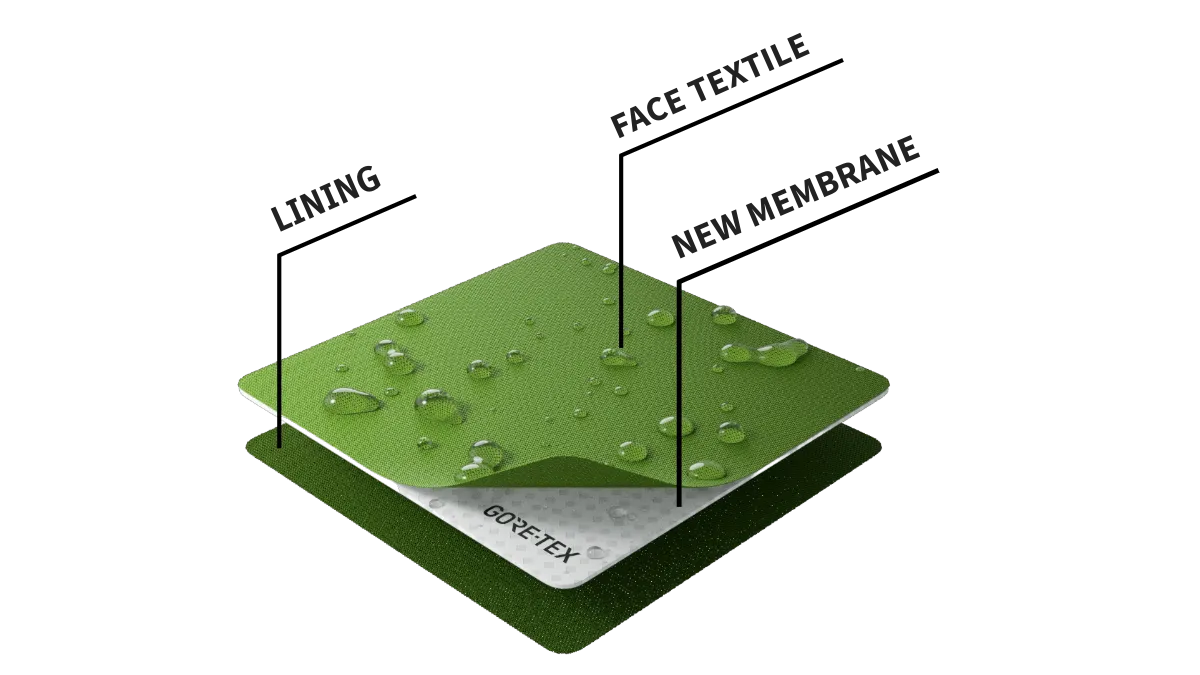
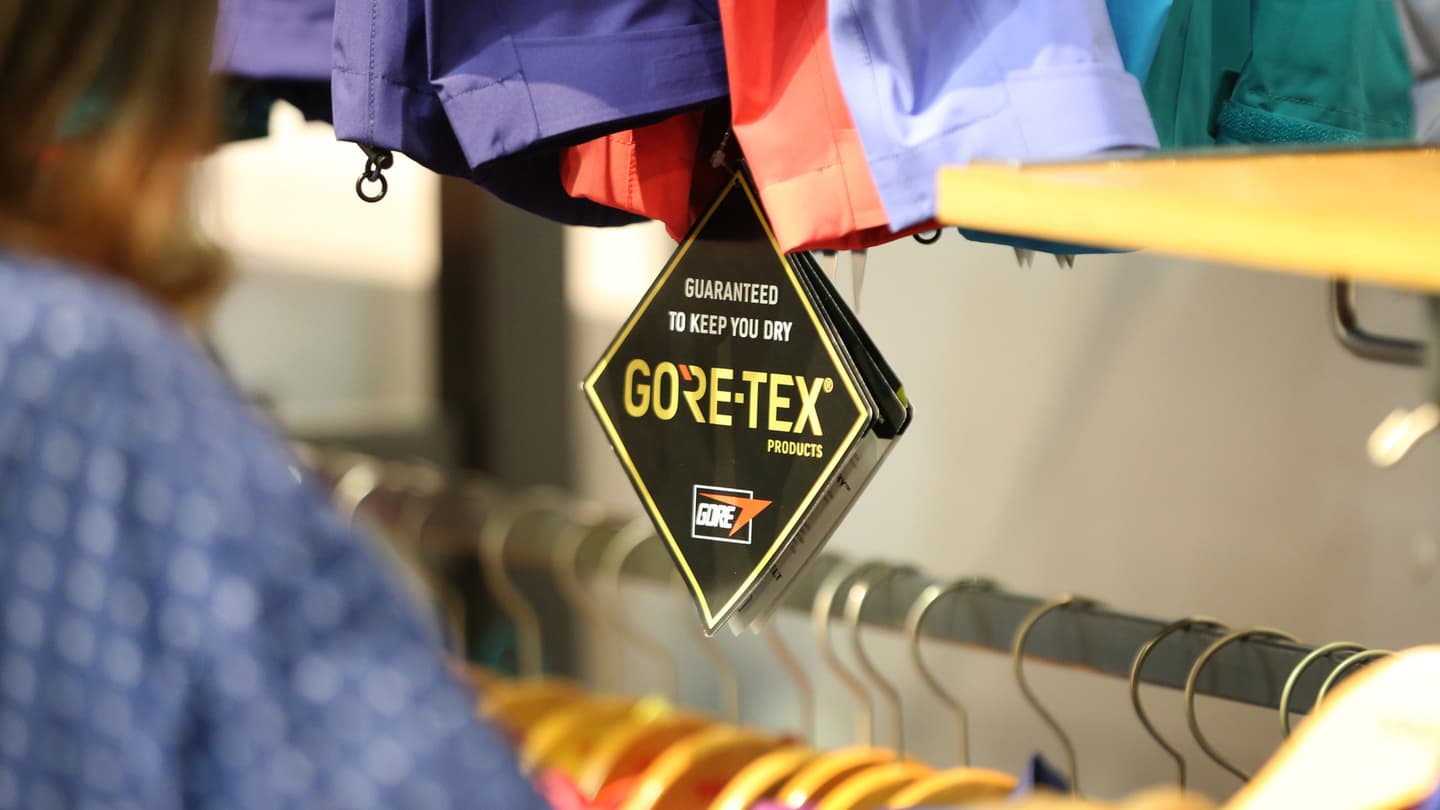
On performance, Gore does not describe ePE as a departure from what GORE-TEX products are meant to do. The brand lists for these products the same characteristics it uses for the technology generally — durably waterproof, very breathable, totally windproof, long product life — and states that the GUARANTEED TO KEEP YOU DRY promise for waterproof protection applies. Those performance characterizations are Gore's own.
What 'PFAS-free*' covers, and where the asterisk bites
The asterisk on PFAS-free* matters more than the bold word above it. Gore's own definition runs: 'Made without intentionally added per- and polyfluorinated substances; may contain trace amounts.' In other words, the claim describes what was put into the laminate on purpose, and Gore itself flags that trace amounts may be present. It is a brand's product description, not a statement that every part of the garment is free of PFAS.
Gore also states that the PFAS-free* laminate includes its durable water repellent (DWR) treatment. The DWR is the water-repellent finish that helps the outer fabric shed rain, so on the brand's account it falls inside the asterisked claim. If the outer fabric stops beading after washing, Gore publishes care instructions and a Durable Water Repellent guide under its support section, which is where the brand's own refresh routine lives.
The 'reduced carbon footprint' claim and its measurement
The double-asterisk fine print on Gore's page reads: '** through the laminate's innovative membrane and select textiles (per Higg MSI).' The brand elaborates elsewhere on the page that the new GORE-TEX products enable a lower carbon footprint 'as measured by Higg Materials Sustainability Index through the use of a new lower-mass membrane and selected textiles.' So the stated basis is the Higg MSI, a materials-index measurement, and the claim is framed at the laminate level — the membrane and the selected textiles together — rather than as a verified total for a specific jacket or shoe.
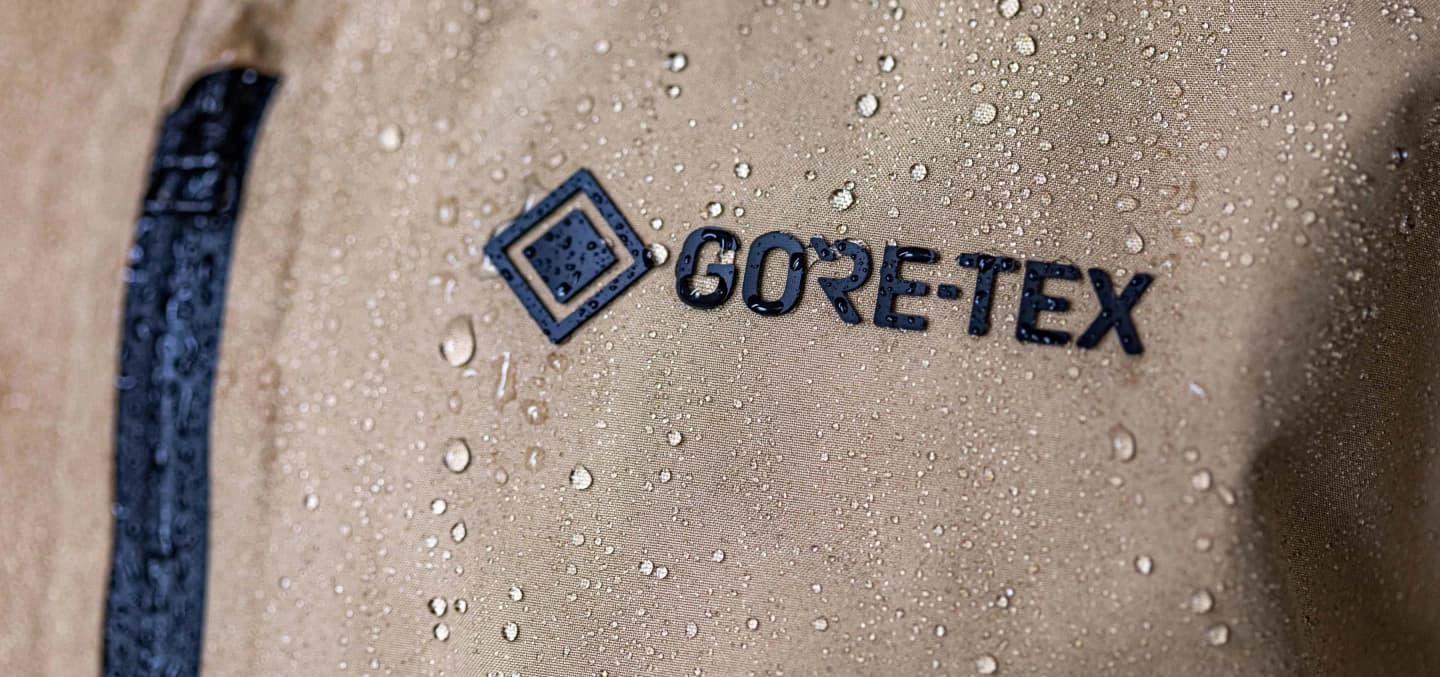
Gore also ties durability into this framing: the products are, on its page, 'rigorously tested to ensure long product life,' and the brand states that longer use can save energy and resources compared to creating new products. That is Gore's argument and its testing program, not a figure you can set alongside another brand's published numbers, so treat it as context for the footprint claim as Gore presents it.
Where you will meet ePE
Gore's site covers the technology across its outerwear, footwear and gloves categories, and the page's featured-brands list names partners such as Arc'teryx, Burton, HOKA, Mammut, Norrøna and Oboz. Which specific jacket or shoe in a partner's line actually uses an ePE laminate is a product specification for the partner brand to state; the featured-brands list is not, by itself, a statement that a given model carries the membrane.
How to check a specific product
A few checks cost little and settle most questions:
- Read the asterisks: you can check a swing tag or product page against the fine print Gore publishes ('Made without intentionally added per- and polyfluorinated substances; may contain trace amounts').
- Check the product pages of the brand that made the jacket or shoe — hypothetically, a partner could list the membrane and product range there, but that is the partner's specification to publish; Gore's site alone will not settle a garment-by-garment question.
- Look for the care label on the garment itself; Gore publishes care and repair instructions and a Durable Water Repellent guide under its support section.
- Treat the footprint claim as a laminate-level statement measured per the Higg MSI, as Gore describes it, not a verified number for an individual garment.
Every claim described here — the ePE membrane's description, the PFAS-free wording, the DWR statement and the Higg MSI footprint basis — is drawn from Gore's own GORE-TEX product page as of the time this article was prepared, and such product descriptions and fine print can change. To check what your own garment uses, read its swing tag and care label against the fine print reproduced above, and look at the product page of the brand that made it: if the ePE membrane and the asterisked wording are not shown there or on the tag, the item may be built on a different GORE-TEX construction.
From the source
Written from the pages listed above and checked by the editors. Spotted a mistake? Write to us: corrections keep the address and the first publication date.
Read next
More in MaterialsAnatomy of a Pair of Jeans: What Levi's Own Glossaries Say the Denim Terms Mean — Weave, Rivets, Stitching and Rise
A brand-attributed explainer of the vocabulary of jeans construction, drawn from Levi's own pages: how the twill weave and warp-and-weft yarns work, what rivets, shank buttons, bartacks, topstitching, the J-stitch fly and the yoke are, and how rise is defined. Everything here is what the brand says, not an independent standard.
How to Care for Birkenstock Cork Footbeds, Leather and Suede: The Brand's Own Heat, Water and Cleaning Rules
BIRKENSTOCK's customer care page spells out how the brand says to treat cork footbeds, leather, suede, nubuck and Birko-flor uppers: avoid concentrated heat and prolonged soaking, re-seal drying cork edges, and clean the footbed with the brand's named products — with the brand's own caveat that any treatment can change the look and finish of the materials.
Materials·Brand program··4 min
What the GORE-TEX Membrane Actually Is: Gore's Own Explanation of ePTFE, and What the GUARANTEED TO KEEP YOU DRY Promise Is Tied To
A brand-attributed explainer of the GORE-TEX membrane: what expanded PTFE is, how Gore describes its microporous structure, what the laminate is, and which product ranges Gore ties its waterproof promise to — including the INFINIUM range the brand markets for drier conditions.