Materials & Fabrics·Brand program
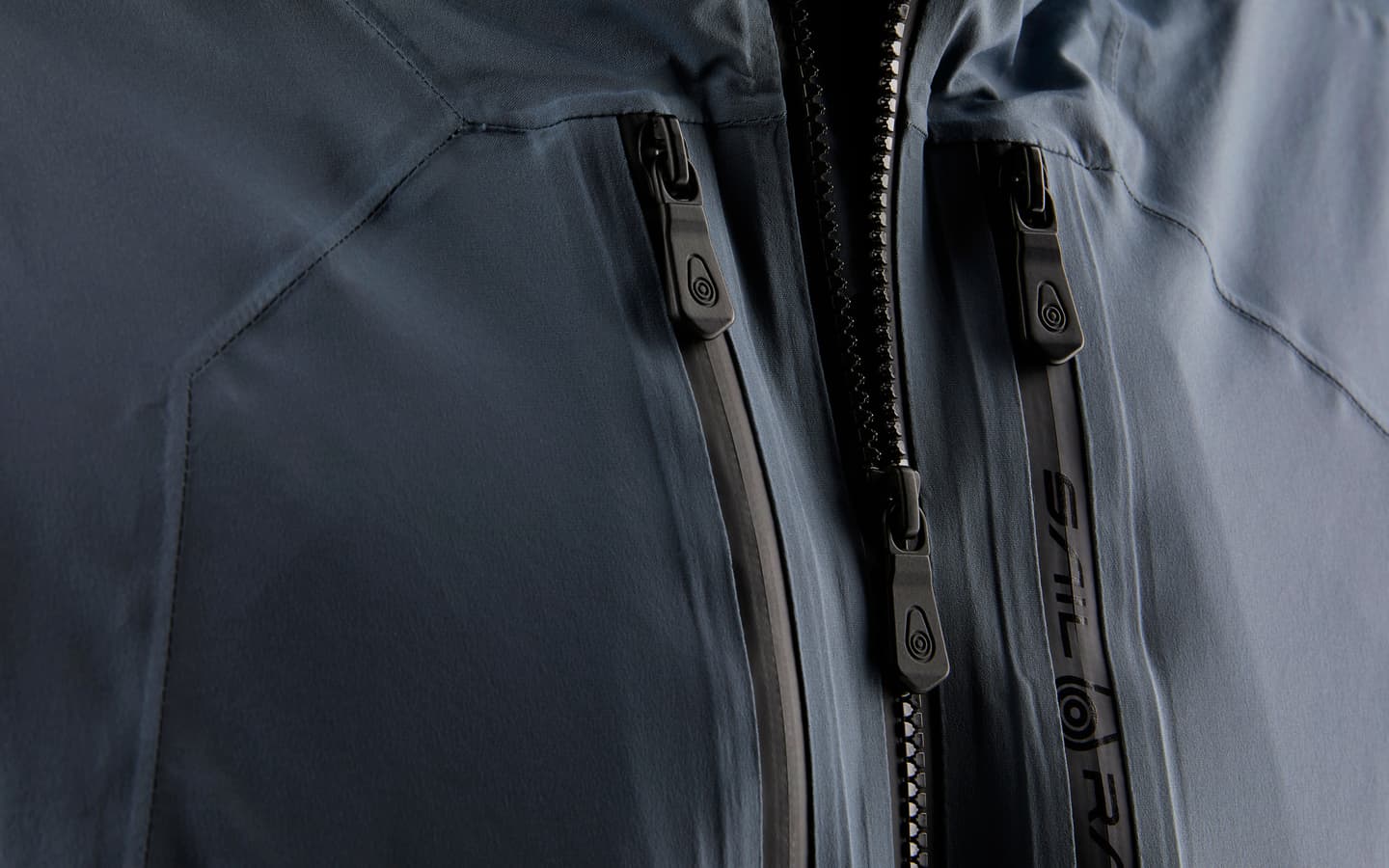
What the GORE-TEX Membrane Actually Is: Gore's Own Explanation of ePTFE, and What the GUARANTEED TO KEEP YOU DRY Promise Is Tied To
A brand-attributed explainer of the GORE-TEX membrane: what expanded PTFE is, how Gore describes its microporous structure, what the laminate is, and which product ranges Gore ties its waterproof promise to — including the INFINIUM range the brand markets for drier conditions.
Watch How Much Water Can a Gore-Tex Jacket Take?
The recording belongs to Trekitt, not to this publication, and it plays from YouTube: opening it lets YouTube see the request.Watch on YouTube instead.
Contents
If you have ever checked the label of a rain jacket or a pair of waterproof sneakers/trainers, you have almost certainly seen the GORE-TEX name. It is not a fabric in the ordinary sense: it is a thin membrane laminated between other textiles, and the way it is made explains most of what the brand claims about it. This article explains the membrane as Gore itself describes it — the numbers, the history and the product distinctions all come from the company's own blog posts — and notes where the brand's guarantees do and do not reach.
Because everything below is Gore's account of its own material, treat the figures as vendor claims rather than independent measurements. Gore does publish its testing practices, and the promise attached to the products is the brand's own, backed by its consumer guarantee — but how a laminated jacket behaves after years of wear and washing is a question no manufacturer page fully answers.
Where ePTFE came from, by Gore's telling
According to Gore, the company was founded in 1959 by Bill and Genevieve Gore in Newark, Delaware, around the synthetic polymer PTFE (polytetrafluoroethylene). The membrane itself dates to 1969, when their son Bob Gore discovered that rapidly stretching PTFE created expanded PTFE — ePTFE — which Gore calls an incredibly strong, microporous material. The first sales of the waterproof, windproof and breathable GORE-TEX fabric followed seven years later, in the brand's telling.
How the pores are supposed to work
The core of the brand's explanation is a size argument. Gore states that each square inch of the membrane contains nine billion pores, each 20,000 times smaller than a water droplet — too small for rain or snow to pass through — and simultaneously 700 times bigger than a water vapor molecule, so sweat vapor can escape. Waterproof and breathable, in other words, are presented as two sides of the same pore structure, with windproofness as the third property the brand claims for the membrane.
From membrane to laminate
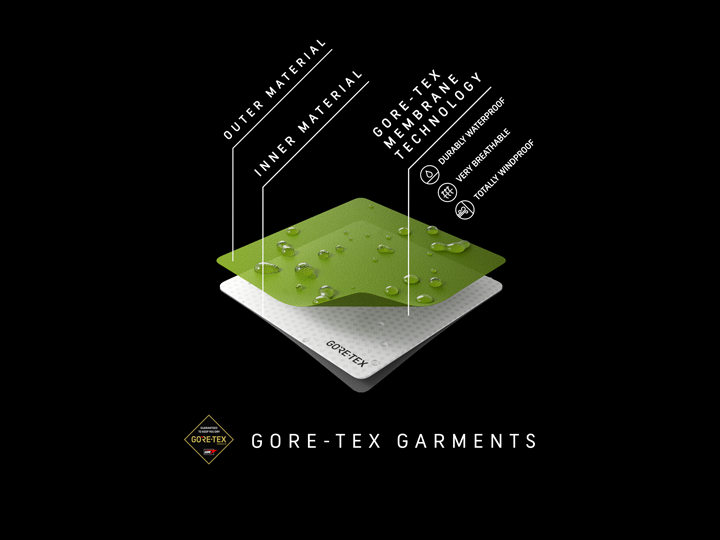
The membrane itself is described by Gore as extremely thin — about 0.01mm. On its own it is not a garment: the company bonds it to high-performance linings and outer textiles to form what it calls the GORE-TEX laminate, and it is this construction that other brands then use to make jackets, pants, boots, gloves and more. Gore also states that it tests every single product made by its licensee brands to ensure the membrane is used as intended.
What GUARANTEED TO KEEP YOU DRY is tied to
The promise is attached, per Gore, to products in the original GORE-TEX products range, whose membrane keeps rain and snow out. It is not a claim that every product carrying the brand's name is waterproof. Gore separately markets the GORE-TEX INFINIUM products range for conditions where, in the company's words, guaranteed waterproofness is not essential: in INFINIUM WINDSTOPPER garments, the brand says the membrane provides windproof and water-resistant protection, keeping you dry in light rain — a resistance claim, not a waterproof guarantee.
Gore's figures describe the membrane itself, not how a finished jacket's outer fabric, seams, zippers or durable water repellent (DWR) treatment age over years of wear and washing — the membrane is one layer in a laminate. Gore publishes care and repair information separately, per its support pages as shown at the time of writing, and that is the place to look for how the company says such products should be maintained.
How to check this yourself
If you are shopping or trying to understand a garment you already own:
- Read the hangtag or product page to see which technology the item uses — the original GORE-TEX range, GORE-TEX Pro, GORE-TEX INFINIUM, and others carry different claims. Per Gore's blog pages, the products it ties to the GUARANTEED TO KEEP YOU DRY promise are those in the original GORE-TEX products range; check the exact wording on the product or page itself.
- Compare the claim on the label with Gore's own technology pages, which describe what each range is intended for.
- For care and what can affect comfort or performance, consult Gore's care instructions and the garment brand's own care label rather than assuming washing rules.
- If a product fails in a way you think the guarantee covers, per Gore's support pages as shown at the time of writing, the brand lists a consumer service contact for guarantee and returns questions.
To verify any of this, compare the technology named on a garment's hangtag with Gore's own blog and technology pages, where the pore figures, the laminate construction and the range distinctions are stated in Gore's own words, and check the care and guarantee details on Gore's support pages and the garment brand's care label.
From the source
Written from the pages listed above and checked by the editors. Spotted a mistake? Write to us: corrections keep the address and the first publication date.
Read next
More in MaterialsWhat KEEN.DRY Is: How the Brand Describes Its Waterproof Membrane, and Waterproof vs Water-Resistant vs Water-Repellent
A source-based explainer of KEEN.DRY, drawn from the brand's own February 10, 2020 explanation: an internal membrane described as a thin bootie that keeps water out while letting vapor escape, the brand's distinction between waterproof, water-resistant and water-repellent materials, its PFAS-free repellency treatment, and its own account of third-party flex testing to a 50,000-flex internal standard. All claims are attributed to KEEN as the brand states them.
What Hemp Fabric Actually Offers: What Patagonia Says About Growing It, Blending It and Its 'Iron Forge' Canvas
An explainer based on Patagonia's own material page: why the brand says it grows hemp with little irrigation, how it blends the fiber with organic cotton, recycled polyester and TENCEL lyocell, what the 'Iron Forge Hemp' abrasion claim says, and where the brand's account stops. All claims are the brand's, not independent tests.
What Coolmax Is: The Polyester Fiber in Darn Tough's Synthetic Socks, As the Brand Describes It
Coolmax is a brand of polyester engineered as a breathable, moisture-wicking alternative to wool. This explainer sets out what Darn Tough says about the fiber — how it is made, why the brand knits select Hike and Run socks from it, and the dated EcoMade recycled-content claim — with all comparisons to Merino wool kept as the brand's own position.