What Hemp Fabric Actually Offers: What Patagonia Says About Growing It, Blending It and Its 'Iron Forge' Canvas
An explainer based on Patagonia's own material page: why the brand says it grows hemp with little irrigation, how it blends the fiber with organic cotton, recycled polyester and TENCEL lyocell, what the 'Iron Forge Hemp' abrasion claim says, and where the brand's account stops. All claims are the brand's, not independent tests.
Contents
Hemp is less familiar on clothing labels than cotton or polyester, and a good starting point is what the brands themselves say about the material. Patagonia's Our Footprint page on hemp lays out, in the brand's own words, why it uses the fiber, what it blends it with and what it claims about durability. This article summarizes those statements, as read on the brand's material page at the time of writing: how the brand describes cultivation and blending in the first sections, what its 'Iron Forge Hemp' workwear claim says in the third, and what the page leaves open at the end.
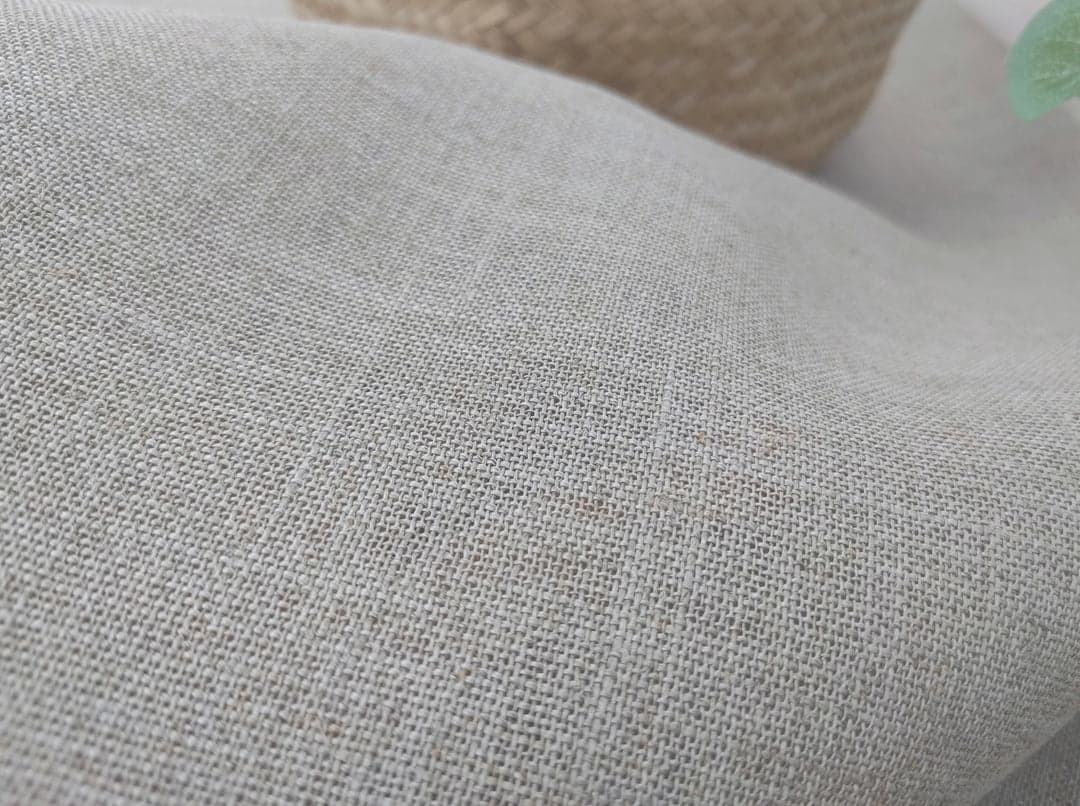
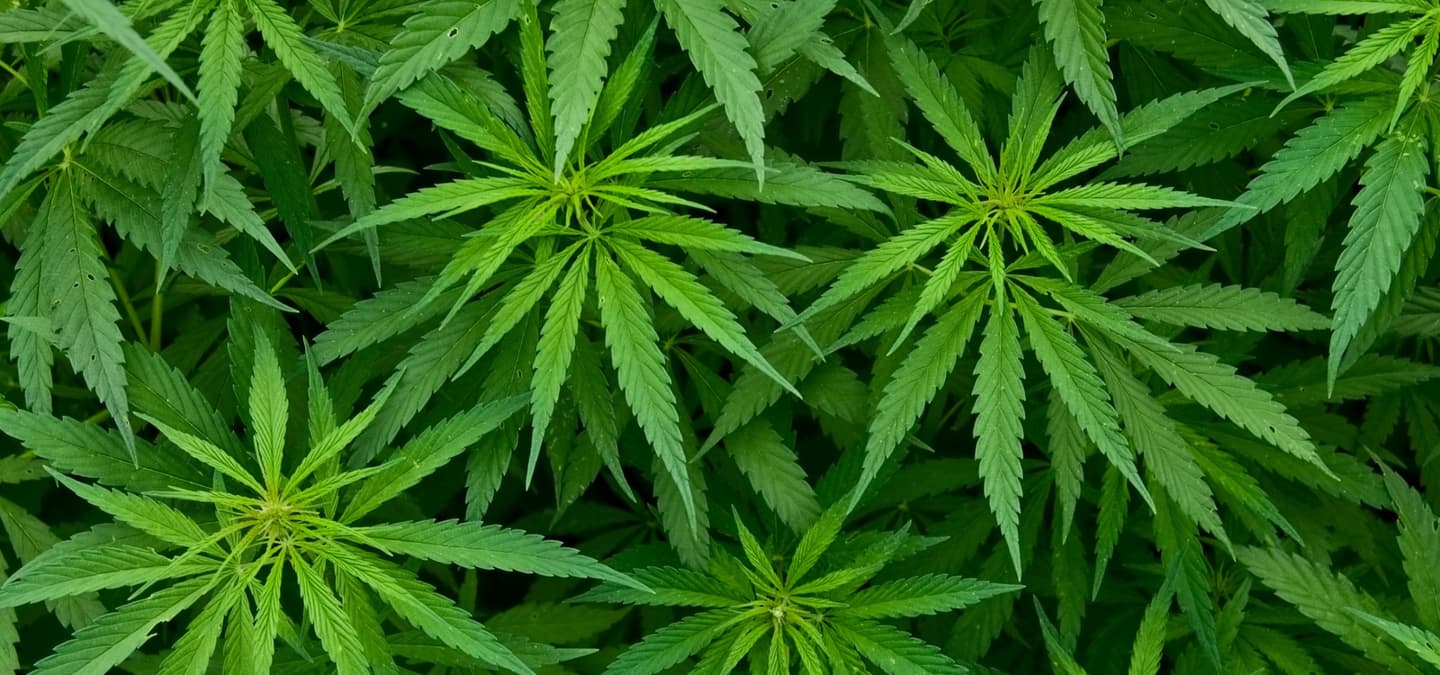
As a material, hemp is a natural fiber that, per Patagonia, is 'durable, comfortable and breathable'. The brand's stated reasons for choosing it center on cultivation: it 'needs little to no irrigation and uses less fertilizer than other crops', and its deep center taproot, in the brand's description, 'replenishes vital nutrients in the soil and prevents erosion'. These are the brand's representations about farming, not independent measurements of any specific garment.
How hemp is blended, per the brand
In what the brand describes, hemp is always combined with other fibers: every fabric the page describes blends hemp with organic cotton, recycled polyester and/or TENCEL™ lyocell. Patagonia says it has built performance fabrics this way: 'We've developed unique performance materials by blending our hemp with organic cotton, recycled polyester and TENCEL™ lyocell,' according to the brand's page. It also notes that lighter-weight blends of the same ingredients appear in its daily essentials.
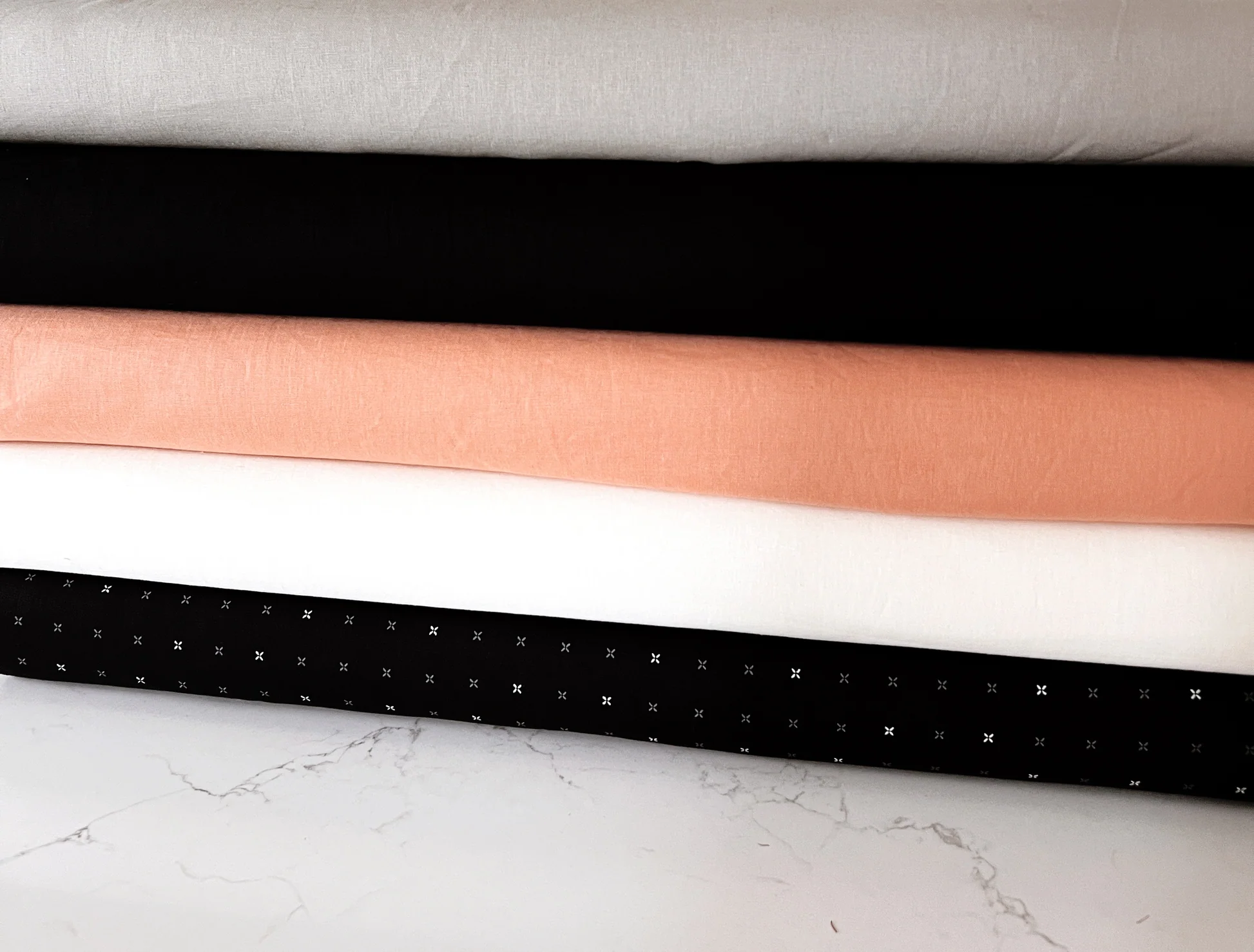
That blend composition matters when you read a label, because the hemp share of a fabric can be modest. A garment labeled hemp may be mostly cotton or recycled polyester, and the feel and care behavior of the fabric typically reflects all of its fibers, not the headline material alone. Checking the fiber content percentage on the sewn-in or online label is the simplest way to see what you are actually buying.
What 'Iron Forge Hemp' means
For its workwear line, Patagonia describes a signature canvas. In the brand's words: 'For our Workwear line, we created Iron Forge Hemp™ canvas: a hemp, recycled polyester, organic cotton mix that is 25% more abrasion resistant than conventional cotton duck canvas, yet comfortable and breathable.' The brand adds a lighter option, All Seasons Hemp canvas, 'a lighter-weight version for warmer-weather work.'
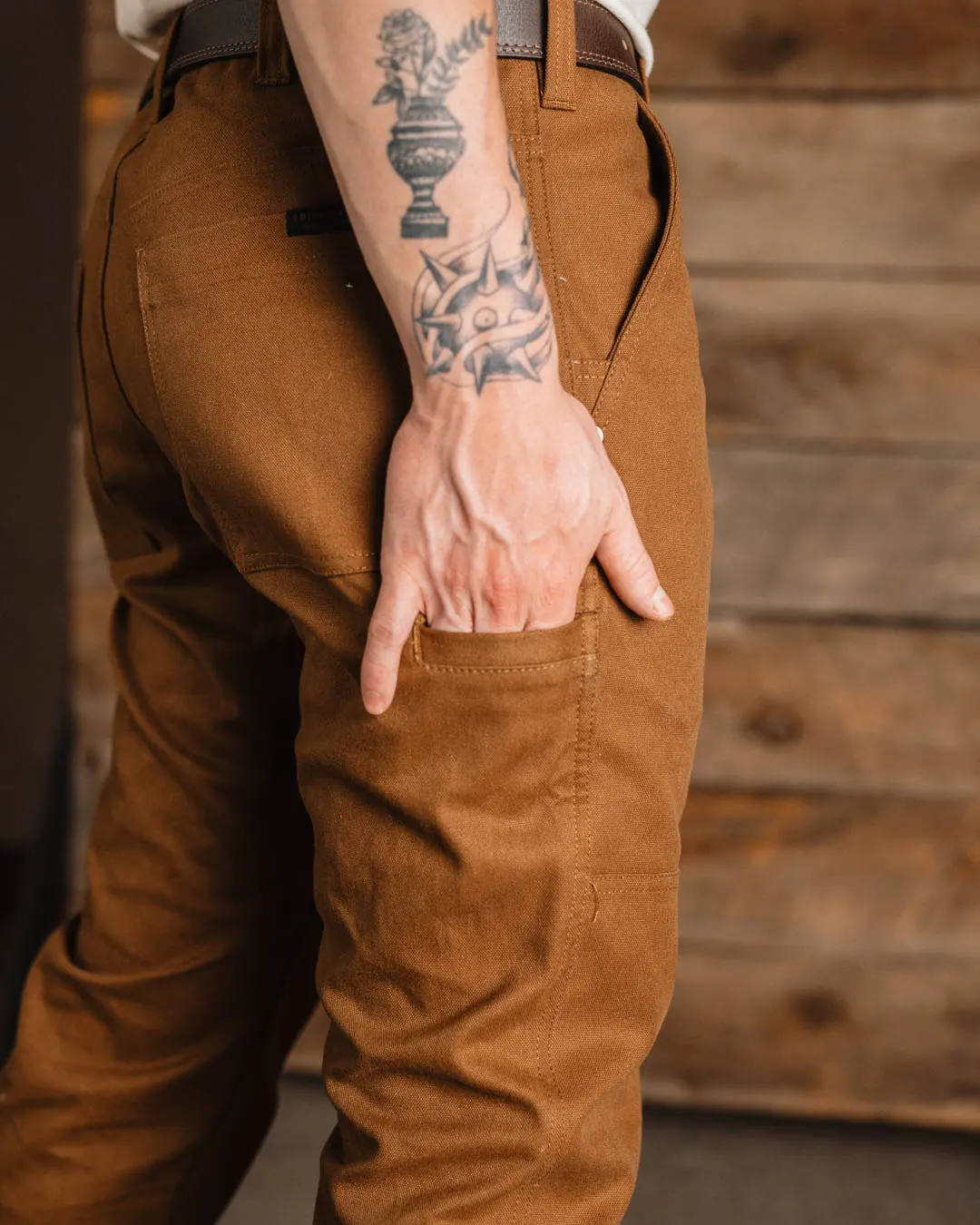
Read that 25% figure for what it is: a manufacturer's performance claim, not an independently published abrasion test result. We have not tested any of these fabrics, and no third-party test method or standard is named in the claim itself. If abrasion resistance is a deciding factor for you, the claim's own wording — 'than conventional cotton duck canvas' — gives you the benchmark the brand chose, and you can weigh it alongside other evidence such as the garment's construction details and warranty terms.
What the brand says about growing hemp in the United States
The brand calls this a return of domestic production. Patagonia states that 'For decades, hemp farming was criminalized in the United States, so hemp manufacturing moved overseas', and that the 2018 Farm Bill 'finally legalized the broad cultivation, sale and transfer of industrial hemp across state lines,' after which the brand says it has been working with American farmers and processors. As brand history, this situates American-grown hemp apparel as a recent re-development rather than a long-standing product line.
- Aiming to lower processing impact: the brand says it is working with hemp-processing partners so its 'entire hemp supply chain has an even smaller impact on the environment.'
- Denim made differently: per the brand, its Fall 2021 Workwear Hemp Denim line 'uses non-degummed hemp (and less water, too).'
- Fiber separation methods ahead: the brand says it hopes to transition over time to 'clean retting', decorticating and degumming methods to separate the fiber.
- Using the leftovers: the woody core of the stalk is said to have bio-composite uses, from 'hempcrete' construction to auto-body fabrication, and the brand says it is researching hemp as a cover crop.
What the source's claims leave open
Care for hemp blends, third-party certification of the fiber and published abrasion-test methods are not addressed in the material we reviewed: the brand's page describes cultivation, blending and supply-chain intentions and stops there. For washing and drying a specific hemp garment, the garment's own care label and the brand's care guides are the references to use, not the material marketing.
To check any of this yourself, read the product's fiber composition on its label, compare it against the brand's own material page (noting the date you read it, since pages change), and note which statements are descriptions of farming (irrigation, fertilizer, soil) versus performance claims (abrasion resistance) — the second kind is the kind to treat as a vendor claim rather than a measured fact.
From the source
Written from the pages listed above and checked by the editors. Spotted a mistake? Write to us: corrections keep the address and the first publication date.
Read next
More in MaterialsWhat Coolmax Is: The Polyester Fiber in Darn Tough's Synthetic Socks, As the Brand Describes It
Coolmax is a brand of polyester engineered as a breathable, moisture-wicking alternative to wool. This explainer sets out what Darn Tough says about the fiber — how it is made, why the brand knits select Hike and Run socks from it, and the dated EcoMade recycled-content claim — with all comparisons to Merino wool kept as the brand's own position.
Next-Gen GORE-TEX and the ePE Membrane: What 'PFAS-Free' and 'Reduced Carbon Footprint' Mean on the Label — As Gore Describes It
Gore describes some newer GORE-TEX products as built on an ePE (expanded polyethylene) membrane rather than the brand's classic expanded PTFE. On Gore's own product pages, that change comes with two tagged claims — PFAS-free* and reduced carbon footprint** — each carrying asterisked fine print. This explainer sets out, as Gore describes it, what the ePE membrane is, what those label terms do and do not guarantee, and how to check a specific product, with every claim attributed to the brand.
Anatomy of a Pair of Jeans: What Levi's Own Glossaries Say the Denim Terms Mean — Weave, Rivets, Stitching and Rise
A brand-attributed explainer of the vocabulary of jeans construction, drawn from Levi's own pages: how the twill weave and warp-and-weft yarns work, what rivets, shank buttons, bartacks, topstitching, the J-stitch fly and the yoke are, and how rise is defined. Everything here is what the brand says, not an independent standard.