What Denim Weight Means — and Why Levi's Own Guides Disagree on the Categories
Denim weight is measured in ounces per square yard, but 'lightweight', 'midweight' and 'heavyweight' are brand-defined shorthand, not standardized terms. Levi's own Denim Dictionary and its Off The Cuff terminology guide draw the category boundaries differently. Here is what the measurement actually describes and how to read it.
Watch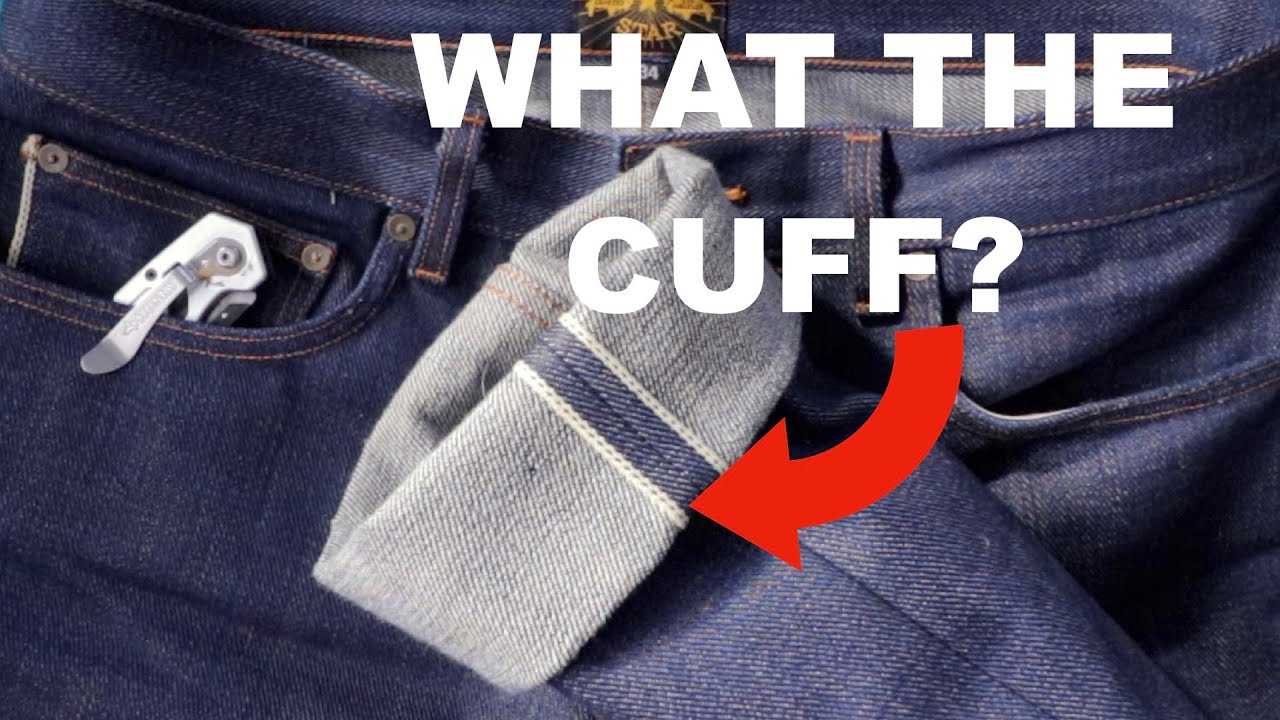 Why Denim Heads Fold, Cuff, or Roll Their Selvedge Jeans?
The recording belongs to Stylish Grease Monkey, not to this publication, and it plays from YouTube: opening it lets YouTube see the request.Watch on YouTube instead.
Contents
If you have ever compared two pairs of jeans and seen one described as lightweight and another as heavyweight, you may have assumed there is a fixed cutoff between them. There isn't. The measurement underneath those words — ounces per square yard of fabric — is straightforward, but the labels built on it are shorthand that each brand defines for itself.
Levi's illustrates this clearly. The brand's Denim Dictionary and its Off The Cuff terminology guide both define denim weight in ounces per square yard, yet they draw the boundaries between lightweight, midweight and heavyweight at different points. Neither page establishes an industry-wide standard.
What the ounce measurement actually is
Fabric weight is a density measurement: how much a fixed area of fabric weighs, expressed in ounces per square yard. Levi's Denim Dictionary defines it this way, and notes the typical range for denim: from 4 to 15 ounces.
The same dictionary entry points to the practical trade-off the brand attributes to weight: lighter fabrics break in more easily, heavier fabrics last longer and resist wear. That is Levi's characterization of the material, not a measurement.
Where Levi's own categories don't match
The Denim Dictionary sets three thresholds: lightweight denim weighs less than 10.5 oz per square yard, midweight denim falls between 10.5 and 12.5 oz, and heavyweight denim starts at 13 oz.
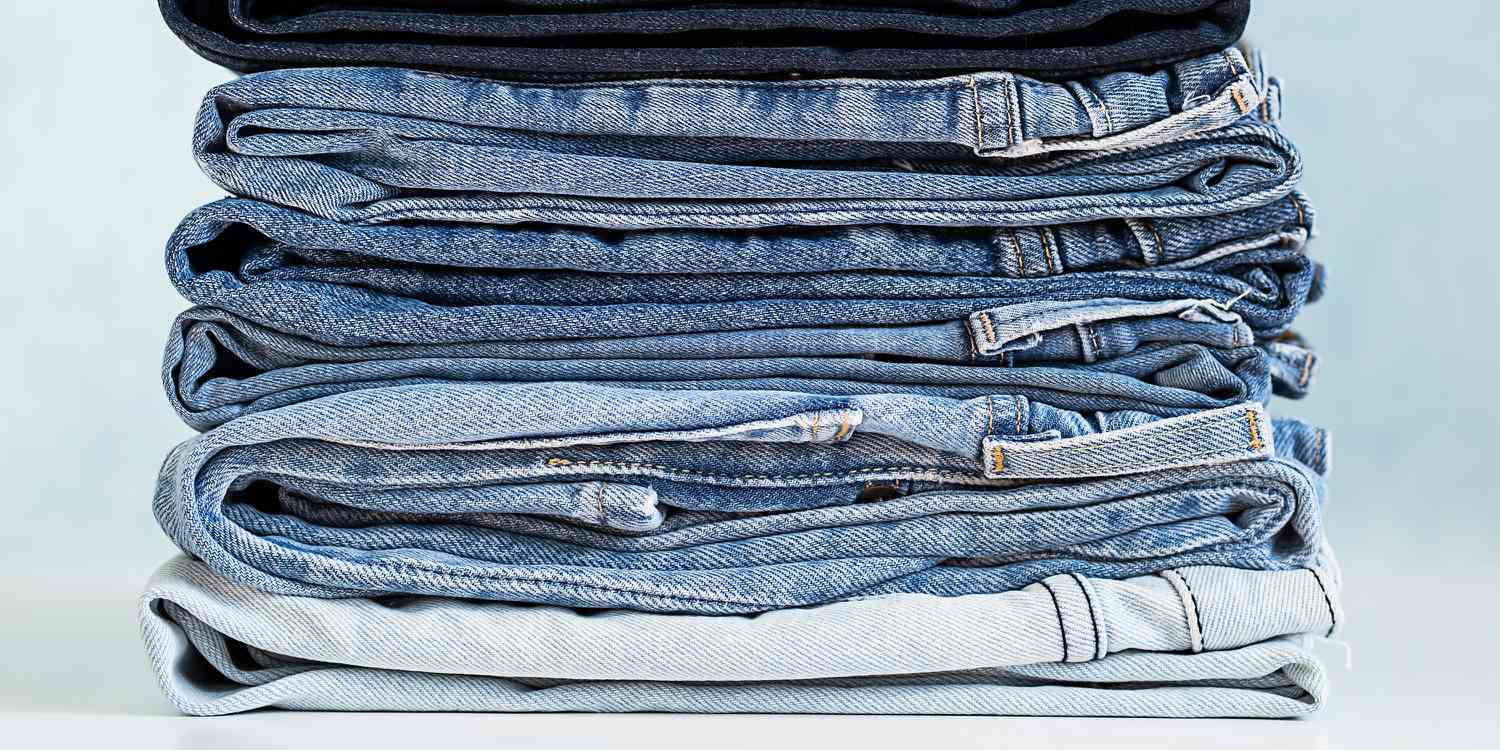
The Off The Cuff terminology guide, published on Levi's blog in October 2020, gives different numbers: lightweight denim below 12 oz, mid-weight from 12 to 16 oz, and heavyweight at 17 oz and more. So an 11 oz fabric is midweight by the dictionary but lightweight by Off The Cuff, and a 13–16 oz fabric is heavyweight by the dictionary but mid-weight by Off The Cuff.
The gap covers two bands: roughly 10.5–12 oz and roughly 13–16 oz. Within those bands, the two Levi's pages disagree about which label applies. For a shopper, this means the category word on a product page tells you less than the number itself — if a listing gives the ounce weight, that is the figure to compare.
Why the categories drift
One clue to why the thresholds moved sits in the Off The Cuff guide itself. Levi's attributes a shift in the market to stretch fabrics: with the introduction of stretch garments, jeans have skewed lighter weight, and heavy denims are now specialty products. Category labels presumably follow what brands are actually selling, which helps explain why two guides from the same company can set the lines differently.
The Off The Cuff guide also explains what stretch denim is made of: cotton blended with 1 to 3% elastane, spun into the weft yarns before weaving. That is the composition Levi's gives — the brand does not state a mechanism linking that construction to weight.
What to take from the numbers
These labels are Levi's-defined shorthand; no standard shared across the denim industry appears on either of these pages. When you read a description that uses them, treat the words as the brand's own vocabulary. What the two guides do agree on is the underlying unit, so a listing that states an ounce weight gives you something comparable across brands.
If you are choosing between fabrics, a few things follow from what the sources say:
- Compare the ounce figure, not the label: both Levi's guides define weight in ounces per square yard, so the number is the common ground.
- Remember the range: Levi's says denim is typically woven from 4 to 15 oz, so a listing far outside that band is worth a second look.
- Treat comfort and durability claims as the brand's: Levi's describes lightweight denim as easier to break in and heavyweight as more durable — attributions, not measurements you can verify from the label alone.
- Note the fabric content: stretch denim, per Levi's, contains 1 to 3% elastane in the weft, which matters if you want all-cotton fabric.
One caveat on scale: both Levi's pages speak in ounces per square yard, a US-style unit. Some European fabric listings may quote grams per square meter instead; neither Levi's page covers that conversion, so you would need to do the arithmetic yourself before comparing across the two systems.
How to check a listing yourself
When a jeans product page mentions weight, look for the number rather than the adjective. If the listing gives only "lightweight" or "heavyweight", check which brand wrote it and, where possible, consult that brand's own definitions — as this example shows, even within one company the boundaries can differ between guides. If no weight is stated at all, the fabric content line (cotton share, elastane percentage) is the next most informative detail you can verify directly from the label or product page.
From the source
Written from the pages listed above and checked by the editors. Spotted a mistake? Write to us: corrections keep the address and the first publication date.
Read next
More in MaterialsWhat KEEN.DRY Is: How the Brand Describes Its Waterproof Membrane, and Waterproof vs Water-Resistant vs Water-Repellent
A source-based explainer of KEEN.DRY, drawn from the brand's own February 10, 2020 explanation: an internal membrane described as a thin bootie that keeps water out while letting vapor escape, the brand's distinction between waterproof, water-resistant and water-repellent materials, its PFAS-free repellency treatment, and its own account of third-party flex testing to a 50,000-flex internal standard. All claims are attributed to KEEN as the brand states them.
What Hemp Fabric Actually Offers: What Patagonia Says About Growing It, Blending It and Its 'Iron Forge' Canvas
An explainer based on Patagonia's own material page: why the brand says it grows hemp with little irrigation, how it blends the fiber with organic cotton, recycled polyester and TENCEL lyocell, what the 'Iron Forge Hemp' abrasion claim says, and where the brand's account stops. All claims are the brand's, not independent tests.
What Coolmax Is: The Polyester Fiber in Darn Tough's Synthetic Socks, As the Brand Describes It
Coolmax is a brand of polyester engineered as a breathable, moisture-wicking alternative to wool. This explainer sets out what Darn Tough says about the fiber — how it is made, why the brand knits select Hike and Run socks from it, and the dated EcoMade recycled-content claim — with all comparisons to Merino wool kept as the brand's own position.