What Selvage (Selvedge) Denim Actually Is: Shuttle Looms, the Self-Edge, and Why It Costs More
Selvage denim is woven on old shuttle looms that produce a narrow fabric with a self-bound edge that cannot unravel. Nudie Jeans' own explainer describes how shuttle looms work, why the edge shows up on cuffed vintage hems, how to spot it on a new pair, and why the brand says it is more expensive — while admitting the edge itself does not make the denim mechanically stronger.
Watch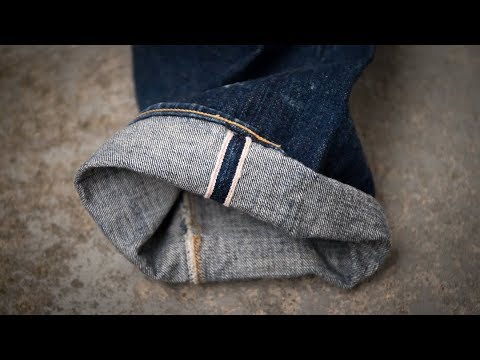 How To CUFF your RAW SELVEDGE DENIM JEANS
The recording belongs to Cee Are Dee, not to this publication, and it plays from YouTube: opening it lets YouTube see the request.Watch on YouTube instead.
Contents
If you have shopped for raw denim — or dry denim, as it is also called — the word selvage (often spelled selvedge, and sometimes written selfedge) is likely one you have come across. It refers to the lengthwise edges of a fabric, its self-edge, and it can technically describe the edge of any fabric. But in denim, the selvage people mean is the one obtained when the fabric is woven on a shuttle loom. On shuttle-loom fabric, that edge is "self-bound" and cannot unravel, which Nudie Jeans names as the key difference from denim made on shuttle-less looms.
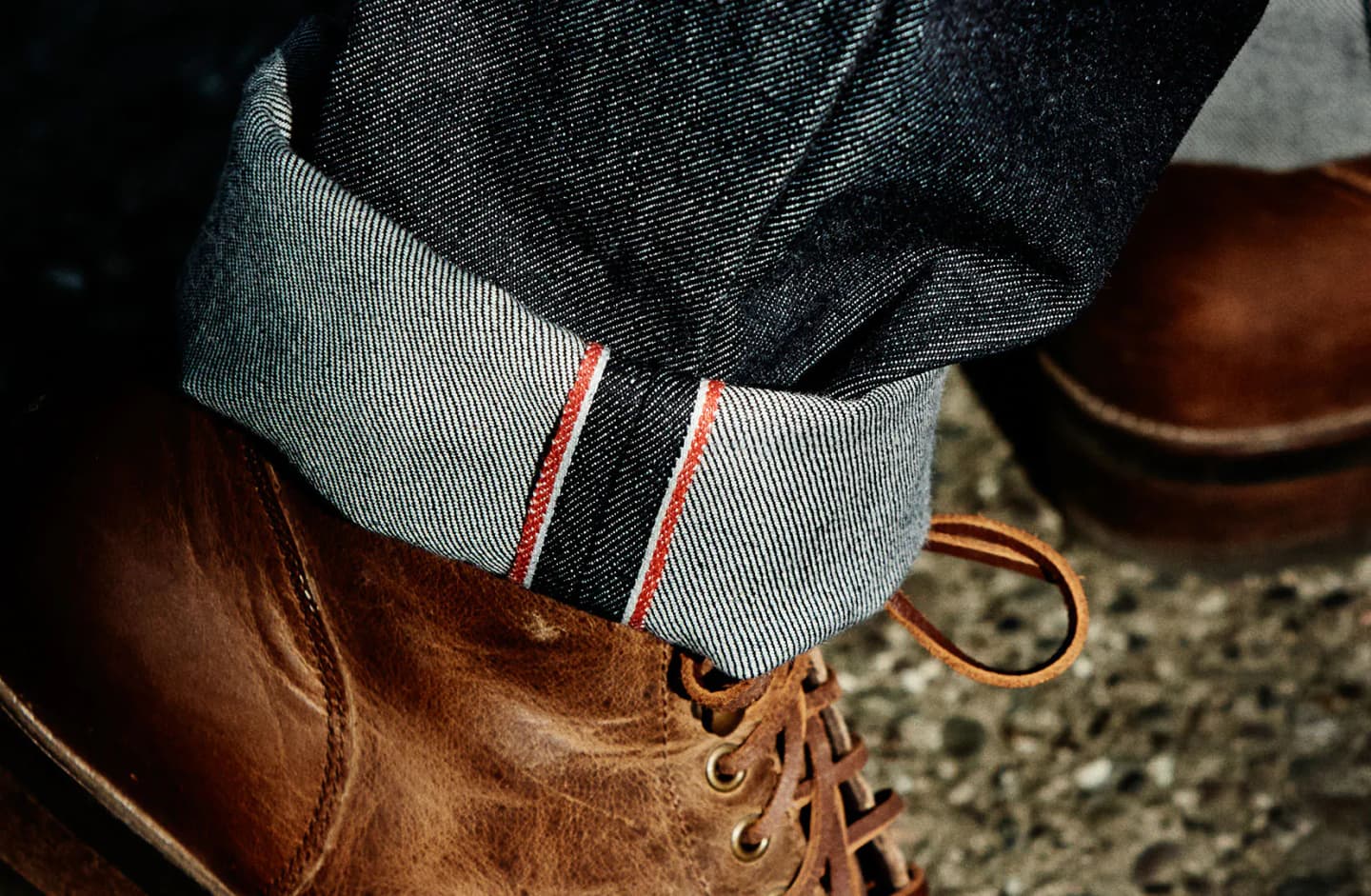
The term is part construction detail and part vintage shorthand. Jeans made before and around the 1950s were cut so that this contrasting edge ended up along the outseam, and cuffing the hem made it visible — a look that has since become iconic for vintage and crafted denim. According to Nudie Jeans, neither the edge nor the fold-up was originally anything special: the selvage was kept to minimize fabric consumption, and the fold-up was a practical necessity.
What a shuttle loom does differently
A shuttle loom is an old weaving technology — weaving itself is one of the oldest ways of producing fabric, and while the technology has advanced, the basic principles remain the same. What sets shuttle-loom denim apart is the width and the edge. A shuttle loom fabric is often about 80 cm wide, while fabric from rapier or projectile looms — the shuttle-less machines Nudie Jeans contrasts with shuttle looms — is at least 150 cm wide. The narrower cloth means the self-edge runs along the fabric border on each side.
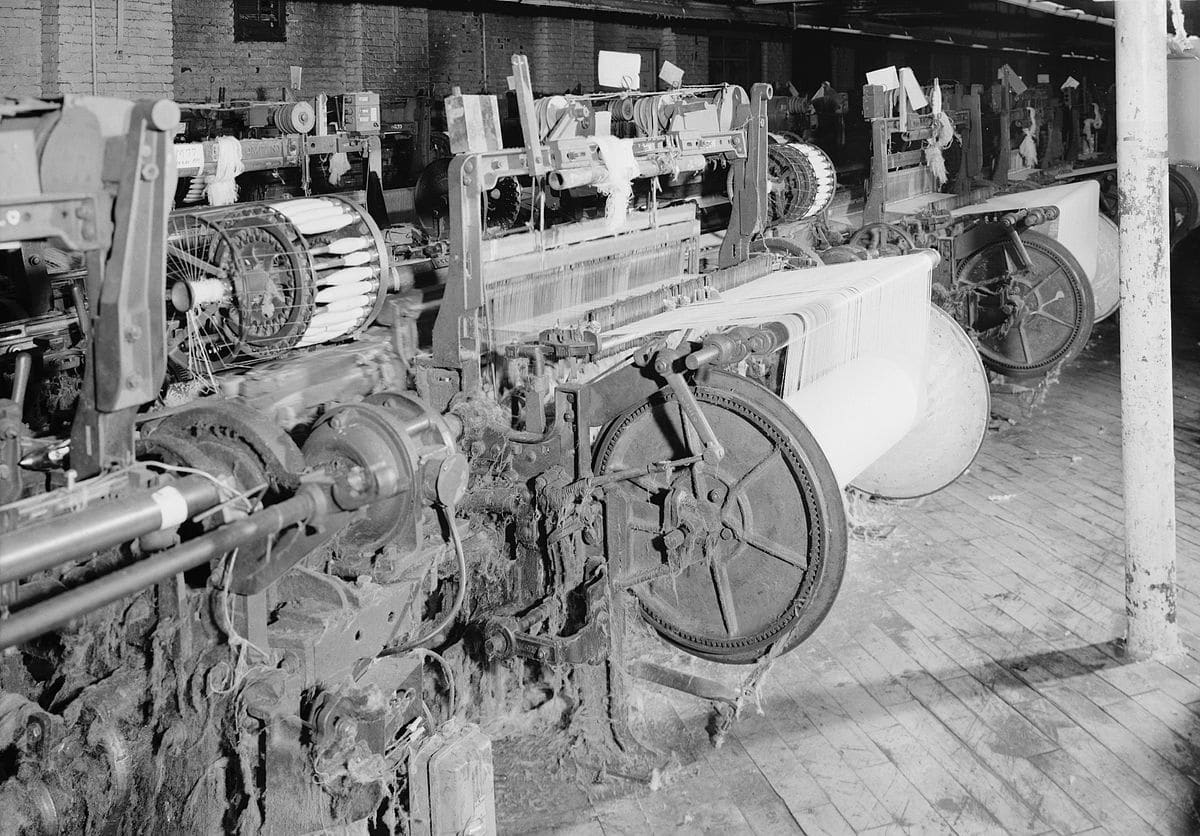
The trade-off is speed and stability. Rapier and projectile looms can weave at around 1,000 picks per minute, against roughly 200 for a shuttle loom — one reason, as Nudie Jeans puts it, that shuttle looms quickly became an inefficient technology of the past. On shuttle-less fabric, the edges are not as stable, so they are often cut away and the pattern piece needs some form of finishing.
What the edge does not mean
It is tempting to read the higher price and the vintage story as a promise of tougher jeans. Nudie Jeans itself is explicit that this is a belief, not a mechanical fact. The brand states it believes selvage denim is the best denim there is, but concedes that on durability or mechanical properties — with fiber length, yarn spinning, yarn density, construction and finishing all equal — it does not argue that shuttle looms produce superior denim. What the brand argues instead is that selvage denim has superior aesthetic properties — how it looks and feels — and that the variations come from the imperfections of a vintage shuttle loom, the balance of warp and weft yarns and the dyeing chosen for the indigo yarns, so the denim ages distinctively.
Why it costs more
Nudie Jeans gets the price question often, and its short answer comes down to production. The brand lists the reasons as the craftsmanship and artisans involved, manual and slower production, old shuttle looms, and a tradition historically centered in Japan. The longer answer repeats the core point: the process is defined by slower production speed and lower output than modern looms allow.

How to spot it on a pair
You do not need a loom spec sheet to check whether jeans are selvage. Nudie Jeans describes the simplest test and what its own pairs show:
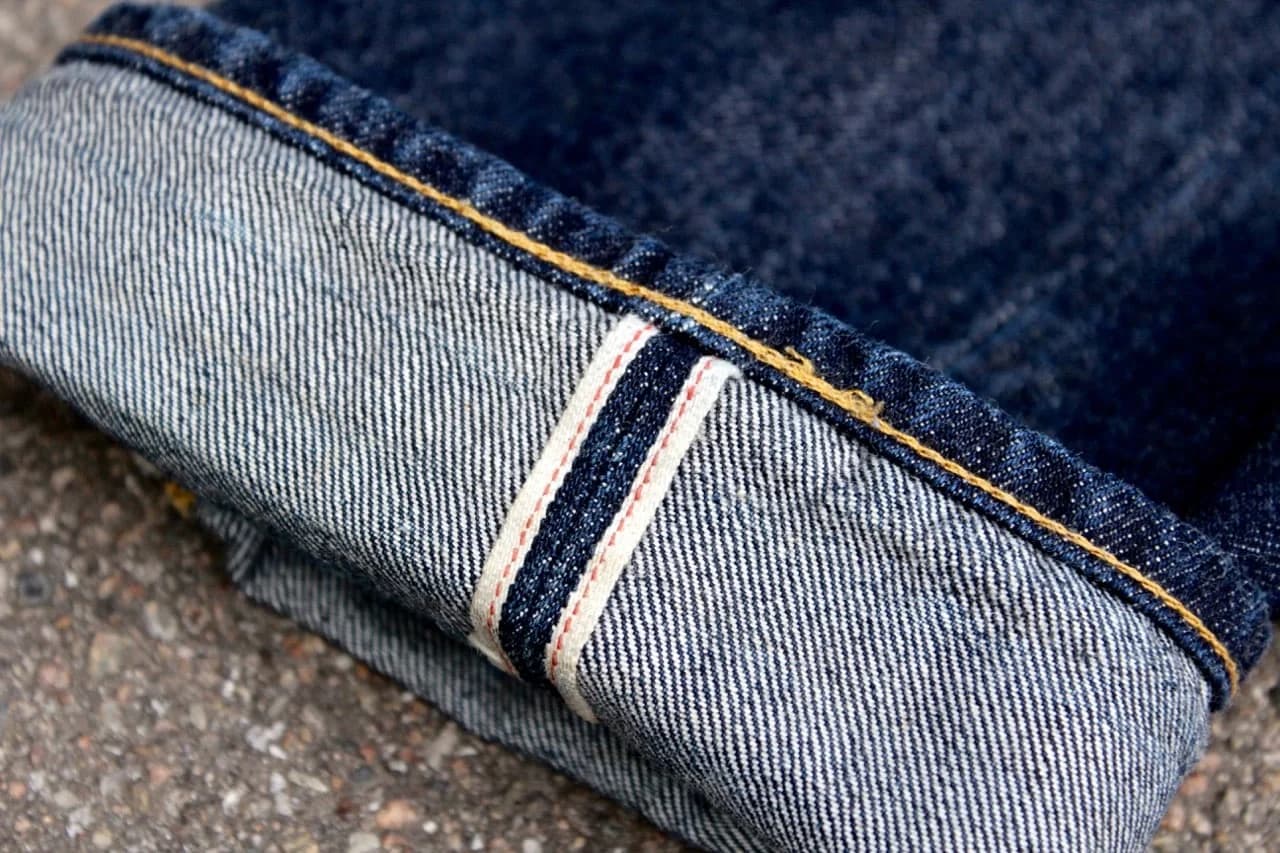
- Cuff the hem of the jean leg — the easiest way to check, according to the brand.
- If the jeans are selvage, you will see colored edge yarns, most commonly red.
- Nudie Jeans says its own selvage is usually finished with its signature legacy orange thread.
- The brand also notes that all its selvage products are grouped behind one click on its site.
The check costs nothing: roll up the cuff on a pair in a store or in your own closet and look at the outseam for a tight, colored woven edge running along the hem. If you are buying online, look for the fabric weight and origin in the product description — Nudie Jeans lists details such as 13.75 oz Kaihara selvedge denim on its selvage models — and treat the brand's durability framing as opinion, since the brand itself separates the aesthetics it argues for from any mechanical advantage it does not.
From the source
Written from the pages listed above and checked by the editors. Spotted a mistake? Write to us: corrections keep the address and the first publication date.
Read next
More in MaterialsWhat KEEN.DRY Is: How the Brand Describes Its Waterproof Membrane, and Waterproof vs Water-Resistant vs Water-Repellent
A source-based explainer of KEEN.DRY, drawn from the brand's own February 10, 2020 explanation: an internal membrane described as a thin bootie that keeps water out while letting vapor escape, the brand's distinction between waterproof, water-resistant and water-repellent materials, its PFAS-free repellency treatment, and its own account of third-party flex testing to a 50,000-flex internal standard. All claims are attributed to KEEN as the brand states them.
What Hemp Fabric Actually Offers: What Patagonia Says About Growing It, Blending It and Its 'Iron Forge' Canvas
An explainer based on Patagonia's own material page: why the brand says it grows hemp with little irrigation, how it blends the fiber with organic cotton, recycled polyester and TENCEL lyocell, what the 'Iron Forge Hemp' abrasion claim says, and where the brand's account stops. All claims are the brand's, not independent tests.
What Coolmax Is: The Polyester Fiber in Darn Tough's Synthetic Socks, As the Brand Describes It
Coolmax is a brand of polyester engineered as a breathable, moisture-wicking alternative to wool. This explainer sets out what Darn Tough says about the fiber — how it is made, why the brand knits select Hike and Run socks from it, and the dated EcoMade recycled-content claim — with all comparisons to Merino wool kept as the brand's own position.